

.jpg)
Justifying Your Primary PE & Sports Premium Spend to Governors

BREAKING NEWS — DfE announces increase to transitional funding by 50%! Read more about the new transitional funding here.
With the PE and Sport Premium deadline fast approaching (31st July 2026 at 5pm) , it's more important than ever for your primary school to spend the PE and Sport Premium and acquire new equipment before the DFE (Department of Education) removes your funding.
However, this task is easier said than done! Even after finding a long list of equipment to purchase, there still remains one vital step before the equipment is yours: justifying why the PE and Sport Premium funding should be spent on your requests to the Governors.
Whether you're a PE Lead or a school bursar, presenting your justification doesn't only feel intimidating, but it can feel incredibly overwhelming. Throughout Pentagon Play's time of operating, thousands of school staff members have asked what is the best way to justify their Sports Premium spending to the governors. It's safe to say, you're not alone!

As a result of this, Pentagon Play have reached out to all of our contacts and gathered all the information we can to create the perfect guide to help you present your justification in an effective and informative way to the governors. So, sit back, grab a coffee and lets discuss how you can get that dream Sports Premium equipment secured before the end of the academic year!
Before we begin, we recommend that you have an understanding of what Sports Premium is, have used the Youth Sport Trust and Association for PE websites to delve deeper, and have read the "conditions of grant" document issued by the Government. If you need a quick refresher on the topic, then you can read our guide on sports premium, which aims to give a general overview of the entire scheme and how it works.
Why Governing Boards Ask Questions About Equipment Spending
One of the most common thoughts a lot of staff have is "why are the governors asking so many questions about play equipment?!" and at first glance, it makes complete sense!
However, once you dig a little deeper into the questioning and the reasoning behind it, it all starts to make sense.
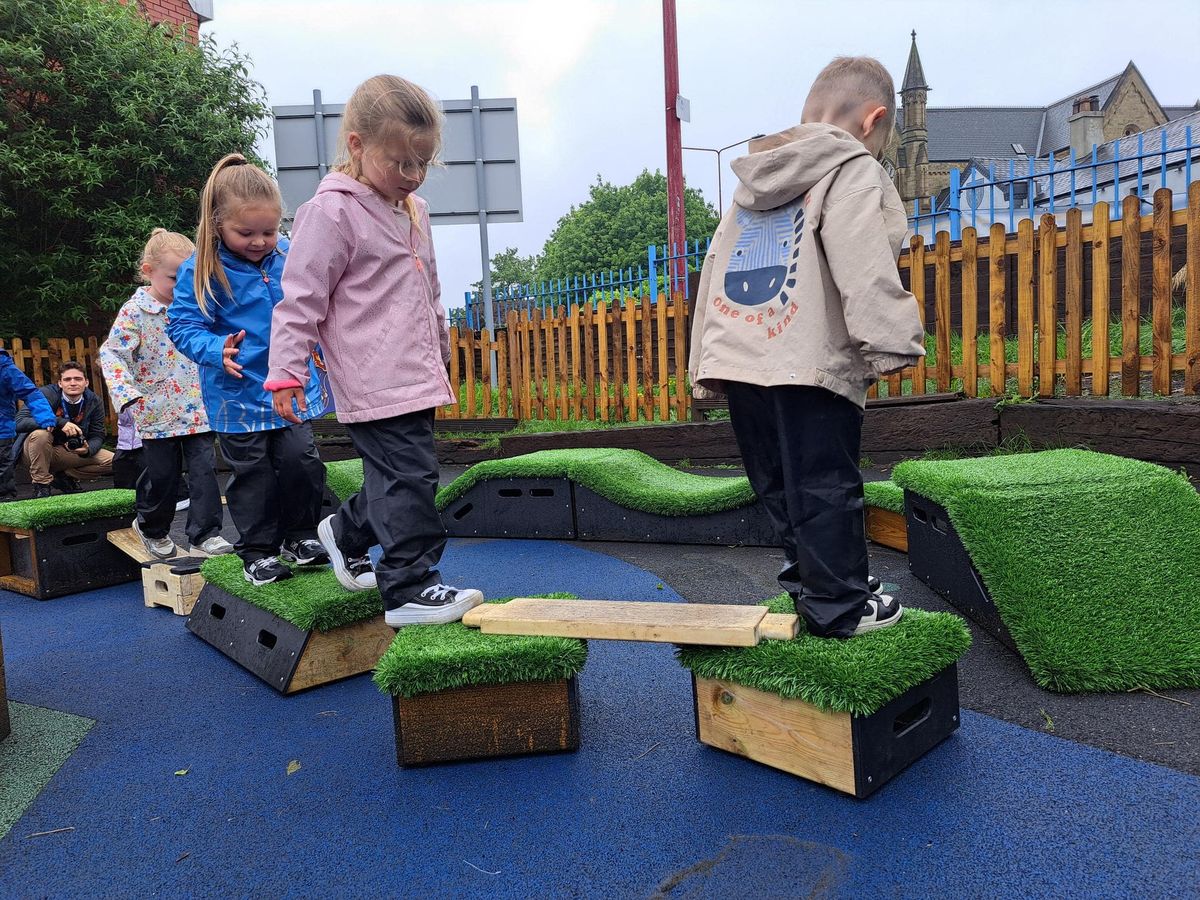
Governors have a statutory duty to scrutinise how schools spend Sports Premium funding and discovering what outcomes it will (or has) produced. Once they know everything, they will then meet the reporting requirements laid out by the DfE by using the PE and Sport Premium digital expenditure reporting tool, which requires evidence to complete. If the governing body never did this, your primary school could face a lot of potential issues from the Department of Education and even Ofsted.
It's important to note that the scrutiny they have shouldn't be viewed as a negative, but much rather as a positive. Not only is the board upholding their responsibilities of ensuring the school is receiving the right equipment for the right job, but the questions also provide a great chance for dialogue to take place between you and the Governors.
This open conversation with the board is the perfect chance for you to showcase your leadership skills by answering the questions confidently. Not only will the confidence increase the chances of the board granting your request, but it gives you the unique opportunity to leave a great impression on the higher-ups!
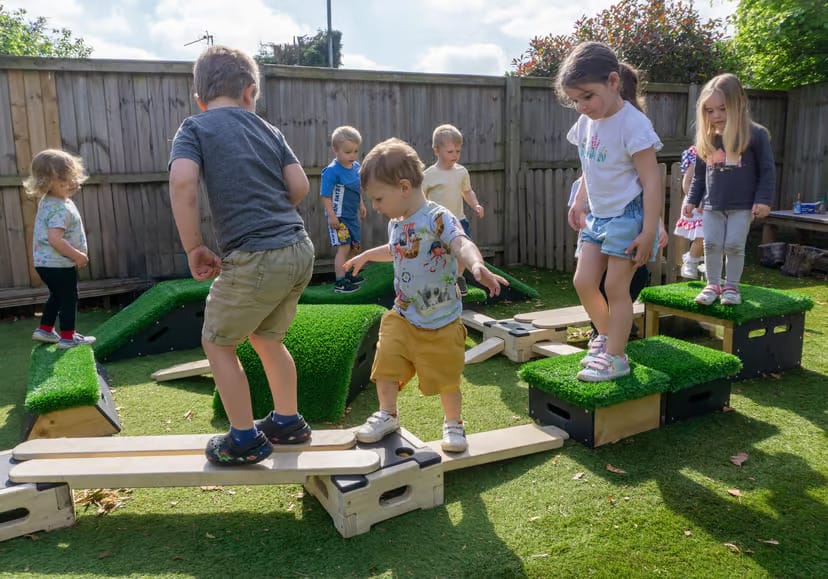
By reading this blog, you're already demonstrating exceptional leadership skills by taking the responsibility of learning how to communicate your desires in an effective and presentable manner. But, make sure to keep reading to learn what will really push your case above the rest and some tips and tricks you can use to cement your request as a valid and realistic one, rather than a random and spontaneous one.
What "Additional and Sustainable" Actually Means for Equipment
One of the key things governors will be looking for is your ability to prove that the equipment you are requesting is "additional and sustainable". Annoyingly, these terms can seem really generic and bland, but when broken down, it becomes incredibly easy to showcase how the equipment you are looking at can fit into these two categories.
The term "additional" is quite straightforward. If the equipment you are requesting adds something beyond what your school currently offers, then it passes this requirement. A good example could be that the Pentagon Play Sports Premium Explorer Package will shift activity levels school-wide, which the current school equipment is unable to do.
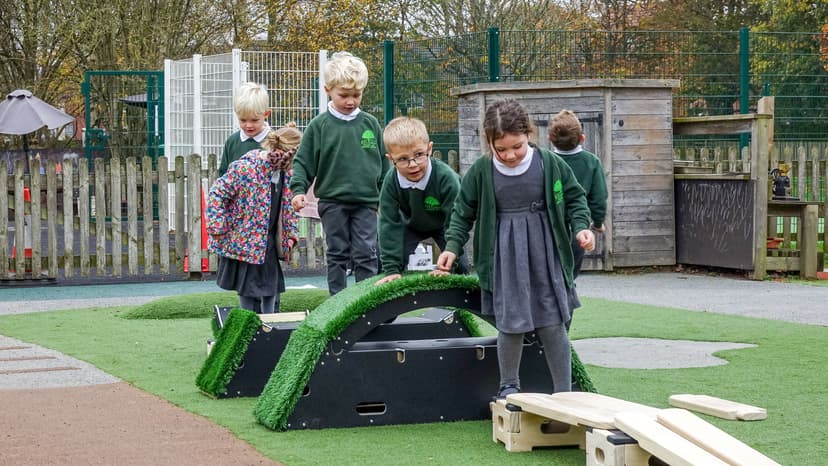
Now moving on to the more confusing term: "Sustainable". It's important to note that within the context of Sports Premium, sustainable does NOT refer to how eco-friendly the PE and sport equipment is. Instead, sustainable is referring to how your chosen piece of equipment will reach pupils for years to come and provide more sustainable improvements in PE lessons.
A great example of this is Pentagon Play's Get Set, Go! Next Steps set, which provides multiple material guarantees ranging between 10-15 years, which in turn ensures the equipment will be able to support future pupils for years to come.
Finding equipment that provides both additional and sustainable improvements can be difficult, which is why we recommend researching into your selected pieces of equipment and asking yourself two questions:
- Does this equipment offer anything to our students that our school isn't able to offer at the moment?
- Does this equipment demonstrate it's ability to last for multiple years and built durable enough to withstand different classes of children utilising it?
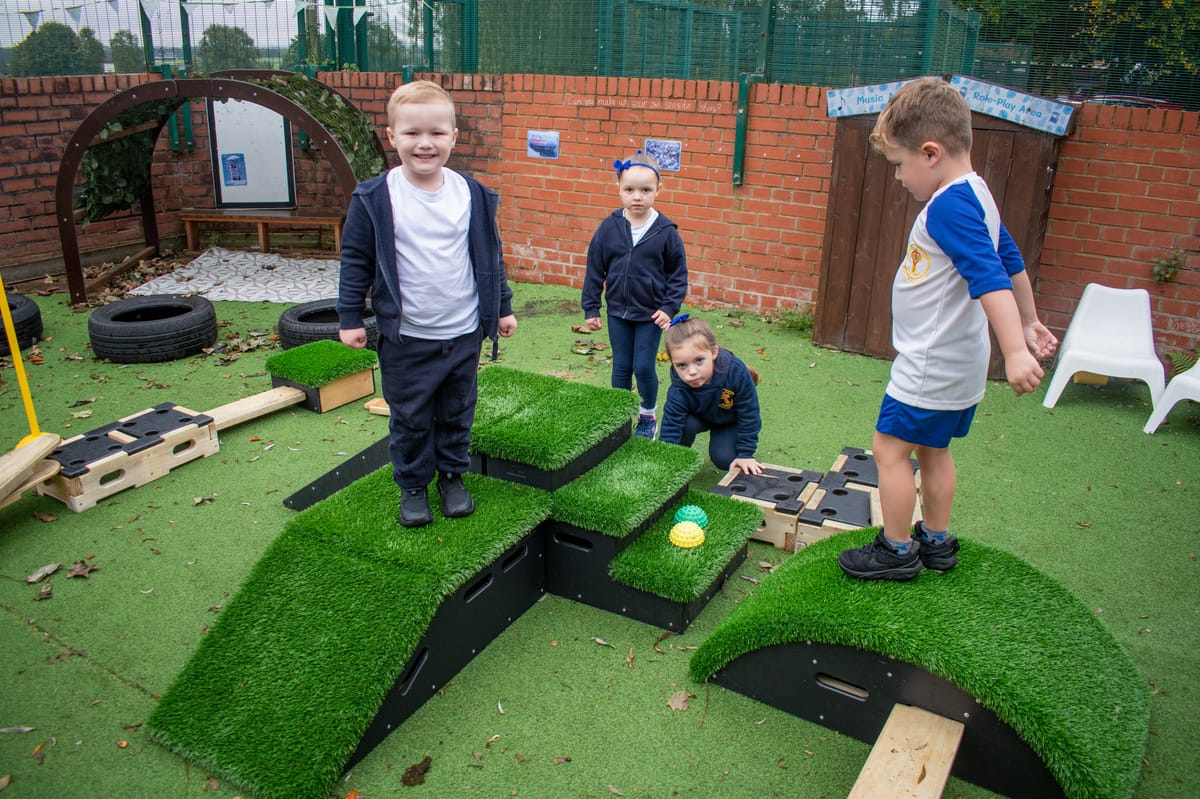
If a piece of equipment you're looking at is able to answer yes to both questions, then congratulations, you've passed a big hurdle that a lot of PE and School Sport Premium requests fail at! If the equipment has a no to one of these two questions, then you might need to start looking elsewhere for new equipment, as it's incredible likely that your request will be denied.
The good news is, that if you're struggling to find equipment that passes this stage, then Pentagon Play offer a wide range of play equipment that meets all of the Sports Premium requirements, making your life easier. You can view our entire Sports Premium range here!
Revenue vs Capital Expenditure: Where the Confusion Sits
Before we begin, we can't stress this point enough: most PE leads and school bursars we have spoken to often find themselves getting stuck at this point.
The reason? Confusion! Reading the official government guidance on PE and Sport Premium spending, it's expected that you have a level of finance knowledge to navigate yourself through it. However, it's safe to say that you already have your hands full with other things and finance lessons is the last thing you need!
Here's a simple, plain English version:
- Revenue Expenditure: Costs of a school that cover the day-to-day operations (things that get used up or don't have lasting value as an asset). After-school clubs, staff training, swimming and water safety for year 6 students and playground improvements are all classified as this type of expenditure, which the funding can be used for, as stated by the Department for Education.
- Capital Expenditure: Costs of a school that have significant, lasting value. Building work, large infrastructure projects and high-value equipment that meets specific financial thresholds set by the DfE are classified as this type of expenditure. It's important to note that these types of expenditures cannot use the PE and Sport Premium funding.
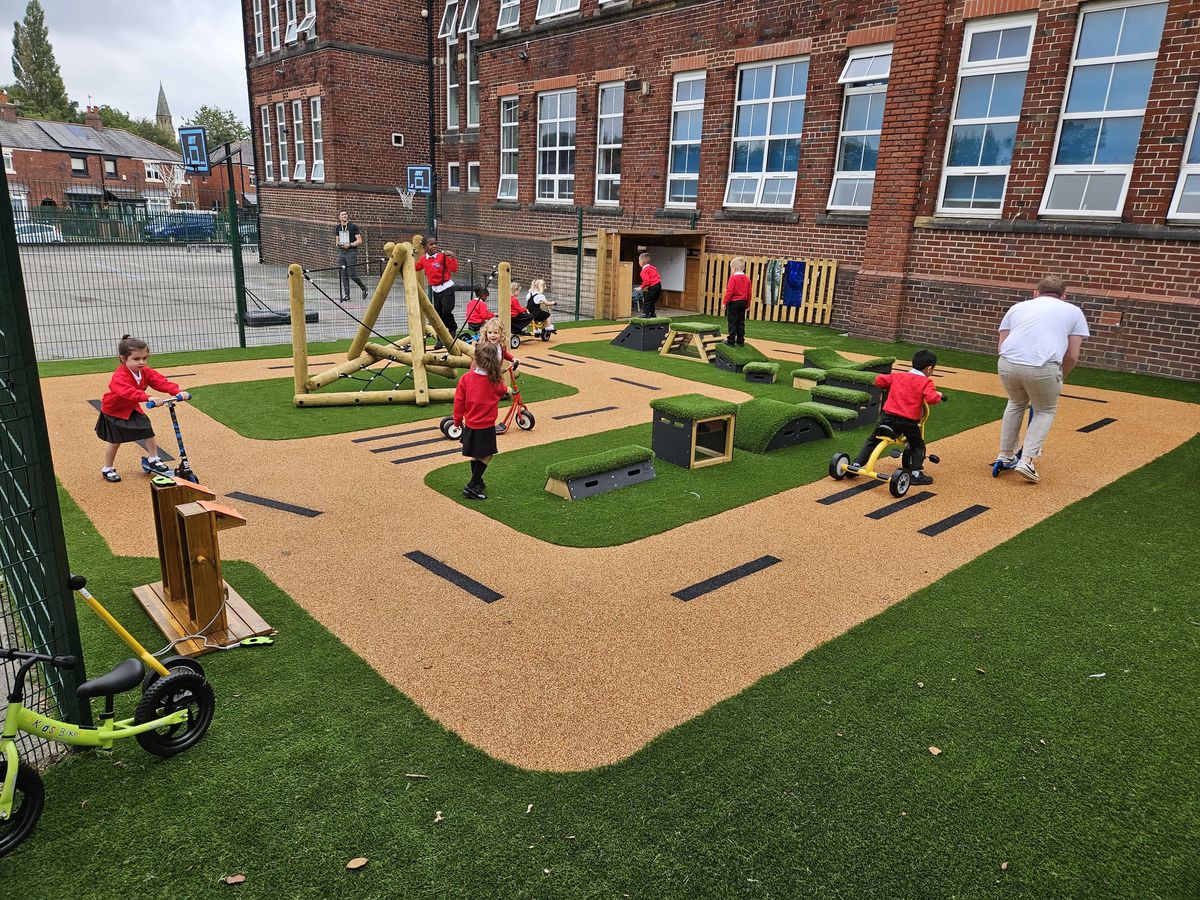
So, where does play equipment lie? The answer: it's a mixed bag. Certain pieces of equipment that require ground works or surfacing restructuring are often grouped in capital expenditure due to the amount of work required (which often means it will be rejected), where as freestanding pieces of play equipment (like the Play Builder Architect Set) are seen as revenue expenditure due to it falling below the capital expenditure threshold.
Why's this important? 99% of the time, governors will ask whether your selected pieces of equipment are seen as capital expenditure or revenue expenditure. By understanding the difference, you'll find it a lot easier to argue your case and correctly identify what is (and isn't) suitable for the funding.
The De Minimis Threshold, Explained
Remember when we said:
...where as freestanding pieces of play equipment...are seen as revenue expenditure due to it falling below the capital expenditure threshold
If you found yourself wondering what the term "capital expenditure threshold" meant, then this is the section for you!
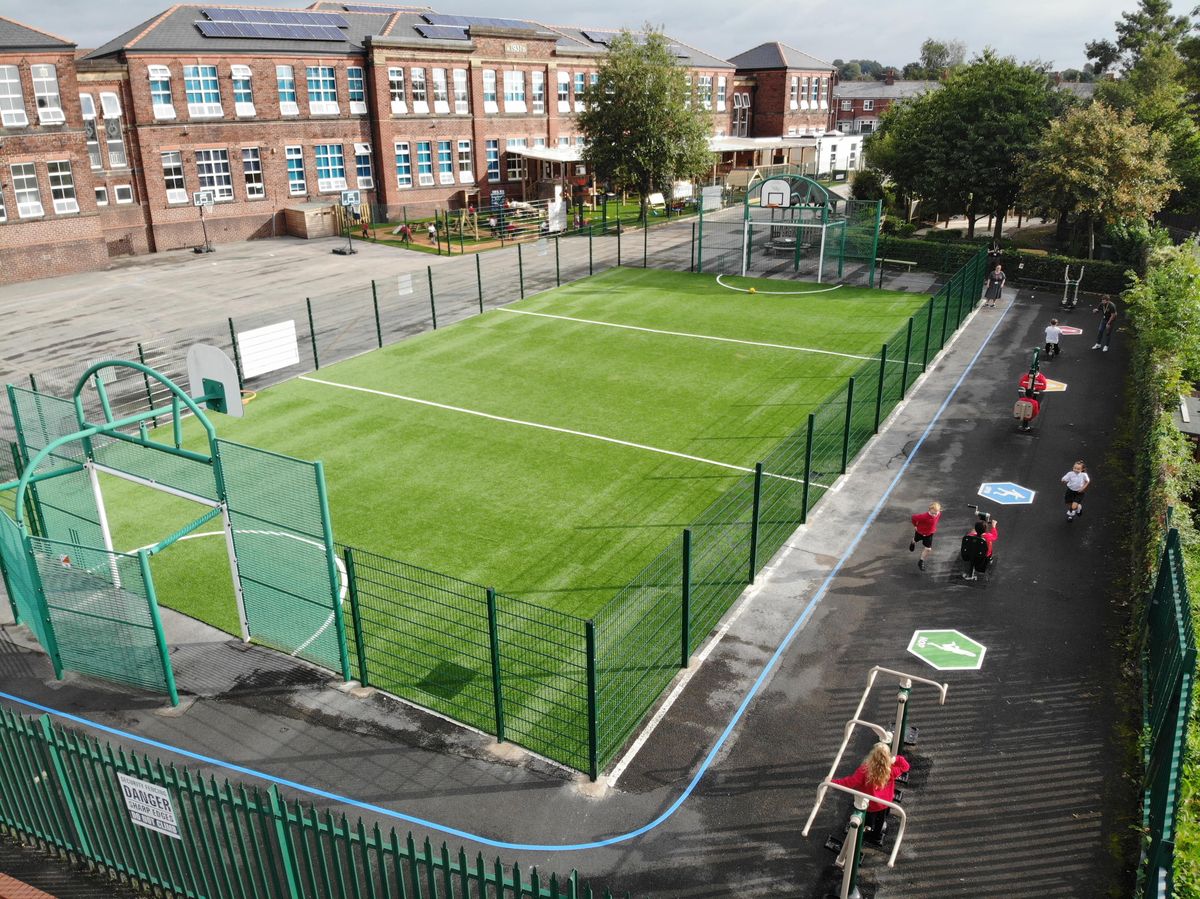
The capital expenditure threshold is sometimes referred to as the De Minimis threshold (which means "too small to matter" in latin!), and both of these terms can be used interchangeably to refer to the same core concept.
Schools need a consistent way to decide which purchases are significant enough to be tracked as capital assets on the school's asset register and which are minor enough to be treated as ordinary running costs. Instead of judging each case individually, a de minimis threshold sets a clear cut-off between what is treated as capital expenditure, and revenue expenditure.
It's important to note that there is not one clear de minimis threshold that applies to all schools across the UK, but rather each school/trust has it's own de minimis threshold, which is outlined within it's own financial regulations and agreed upon by it's local authority.
If you're unsure what your school's de minimis threshold is, then you should talk to your school business manager/finance lead to confirm your specific threshold (especially if you are planning a bigger installation like multiple pieces of sports equipment).
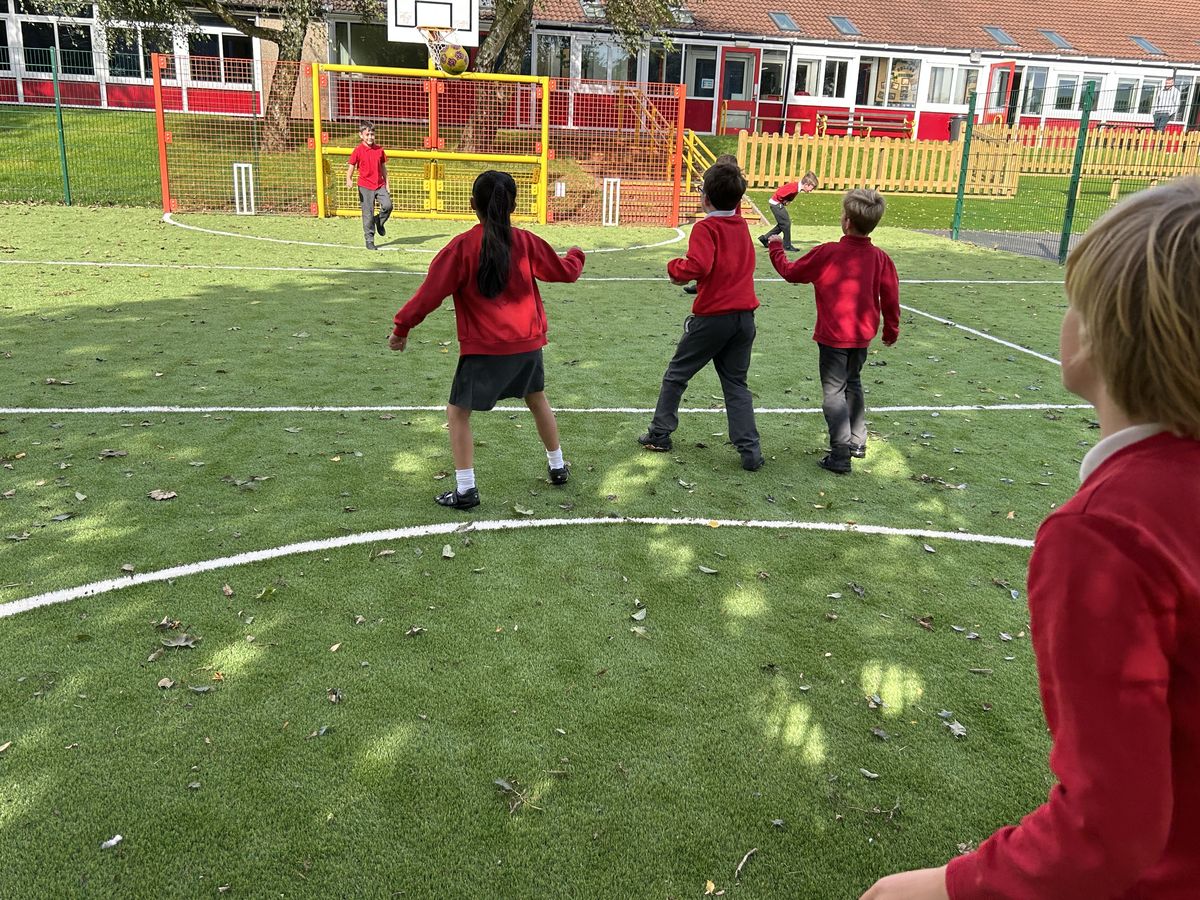
Due to the de minimis threshold, this often means play equipment that requires hardly any installation costs or set up will fall beneath the threshold, making it revenue expenditure (making it eligible for the funding). For your request to be granted, it must fall beneath this threshold, so make sure you are aware before presenting.
Start With the Need, Not the Equipment
Even though most of us would love to browse through catalogues and pick the equipment our school needs by looks alone, the governors would strongly disagree with this!
Our advice: focus on identifying a need first, then focus on looking for equipment.
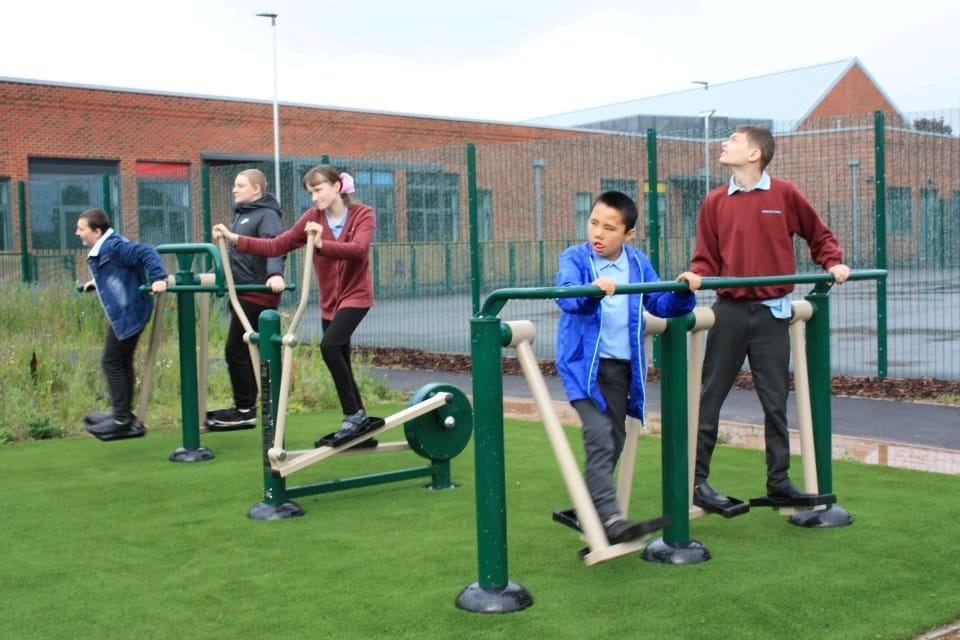
The reason for this is that when your presenting your case to the governing board, saying "we want a activity circuit" is likely to be rejected very quickly, whereas stating "we've identified that that 40% of our pupils during PE lessons are unable to engage in HIIT workouts effectively, and this is how we're going to change that" is much more likely to engage the governors and get a resounding yes.
Everything you read in this guide builds on this starting point. If you can get the need right, then the rest of the case will naturally start making itself.
Mapping Your Equipment Purchase to the Five Key Indicators of Sports Premium
Interestingly, a lot of PE leads don't know about this, but your request will be compared against five key indicators. These indicators are outlined by the DfE as ways to provide evidence that the equipment will be of use to the school. As a result, governing bodies are quite quick to judge your case against these indicators as schools must be in line with at least one of them.
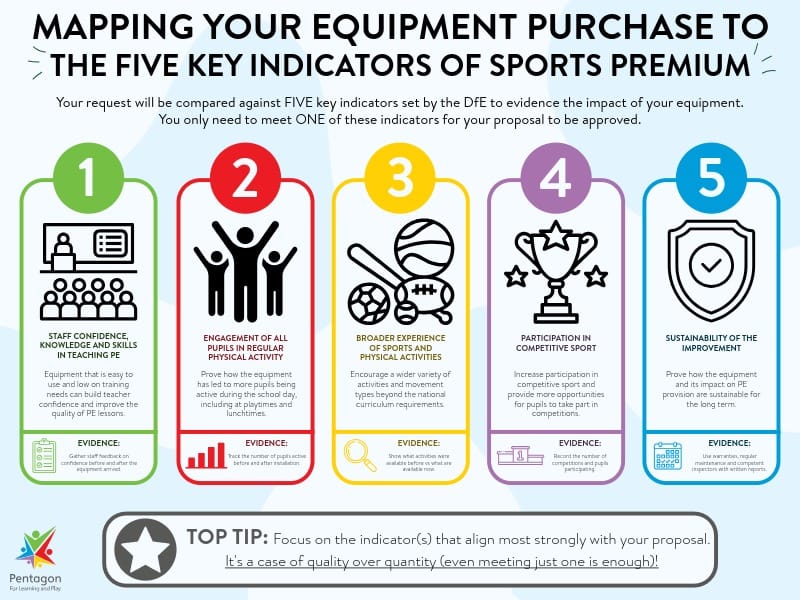
Keep in mind that your proposal doesn't have to fit into all five indicators for it to be approved. It can fit into any amount (even just one). It's a simple case of quality over quantity. Focus on the indicators that tie in strongly with your request, rather than trying to stretch yourself to cover as many as you can.
Indicator 1: Staff Confidence, Knowledge and Skills in Teaching PE
Starting with a popular indicator, schools are finding it harder than ever to allocate staff to PE lessons due to inexperience and confidence of staff members. However, you can use this as a strong point to prove how your proposal has made an impact on the school.
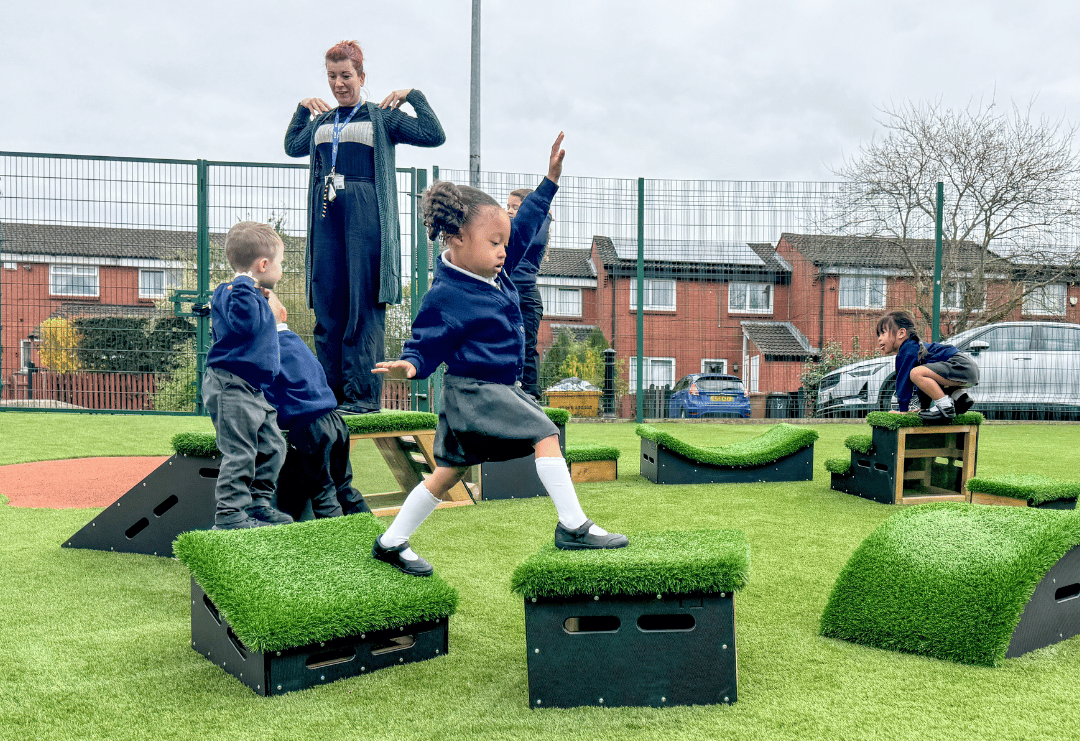
For example, let's say you wanted Pentagon's Sports Premium Dynamic Discovery Package. Teachers might feel more confident in the delivery of PE lessons due to the easy to utilise nature of the package, and how it doesn't require specialist knowledge to get the most out of it. As a result, this ensures the quality of PE remains high, as children can get exercise with the guidance of a confident teacher.
To gather proof of this, you can simply gather staff feedback on confidence before and after the equipment arrived. Doing this will allow you to have strong data that showcases the impact the equipment has had on physical education in an easy to digest way.
Indicator 2: Engagement of All Pupils in Regular Physical Activity
Arguably the easiest indicator to evidence, this key indicator is all about proving how the equipment has led to pupils moving around more. For example, if you acquired Pentagon Play's Up and Under Blocks Ramp & Stair package to promote physical activity for your year 6 pupils during lunch time, you could simply track how many pupils are active during playtime, before and after the installation.
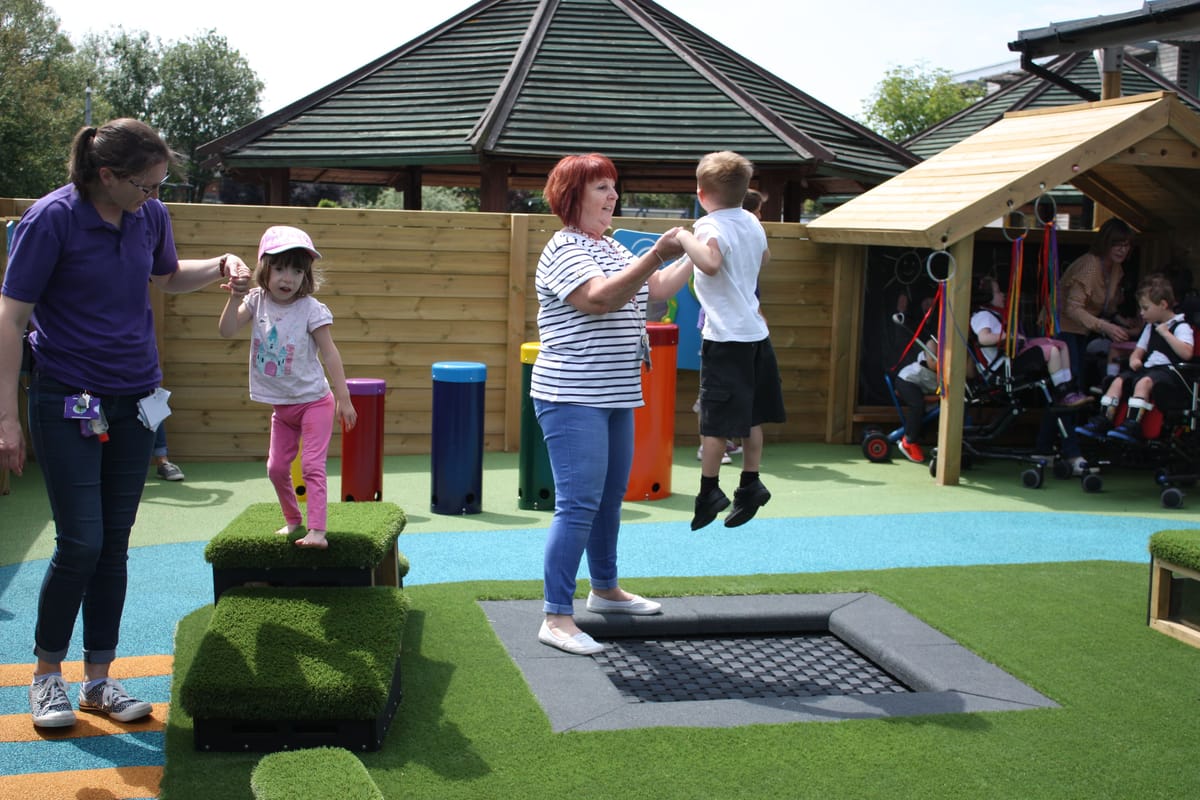
In addition, this indicator connects nicely to how the current PE and Sport Premium funding is trying to promote inclusive sport, meaning everyone is able to access a higher quality of physical education. Equipment that promotes accessibility and is tailored to all abilities is a fantastic way to achieve this.
Again, this is one of the easiest indicators to utilise and fits nicely within the government's '60-active-minutes-a-day target', making it even more desirable for governors, the DfE and local authorities.
Indicator 3: Broader Experience of Sports and Physical Activities
If your existing PE provision and lessons rely heavily on following the national curriculum requirements and staying within them, this key indicator is a great way to expand your offerings and offer a wider variety of sports to your pupils.
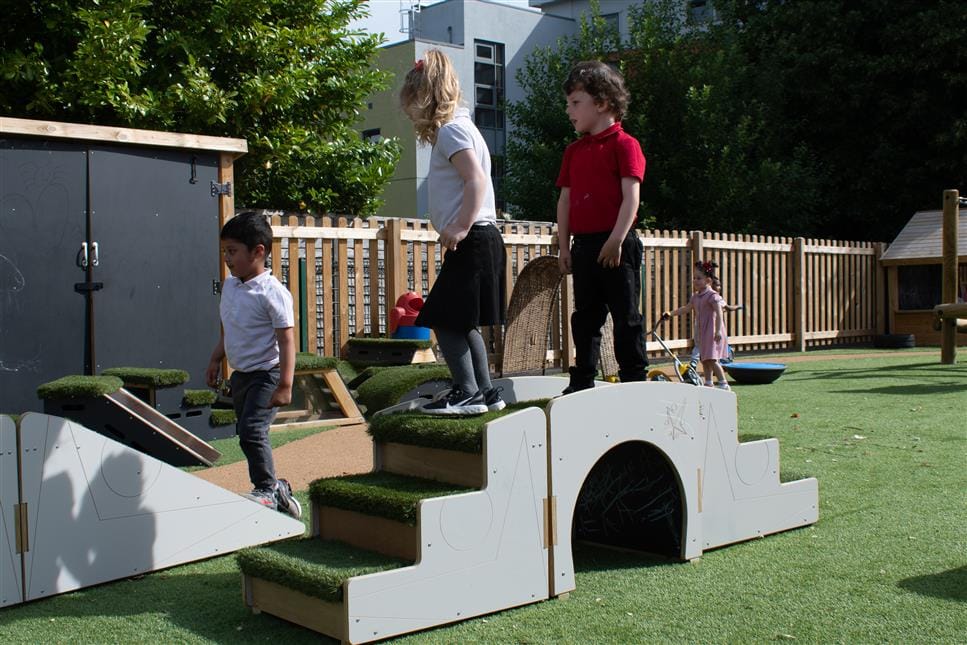
If your students are constantly using MUGAs or trim trails for physical activity and sport, or you find your existing PE curriculum to be repetitive, your proposed sport and physical activity provision might encourage different types of movement and activities for pupils to engage in, which they wouldn't have other wised accessed.
Evidence for this is simple: what activities were available before the introduction of the new equipment, and what activities are available now since the introduction of the equipment.
Indicator 4: Participation in Competitive Sport
This key indicator is one of the tougher ones as it requires you to prove how your proposed project will increase participation numbers and competitions revolving around sports (like football house tournaments, intra-school hockey competitions etc.). The DfE wants schools to organise more extracurricular sport and competitive opportunities for their pupils in the hopes of improving general fitness.
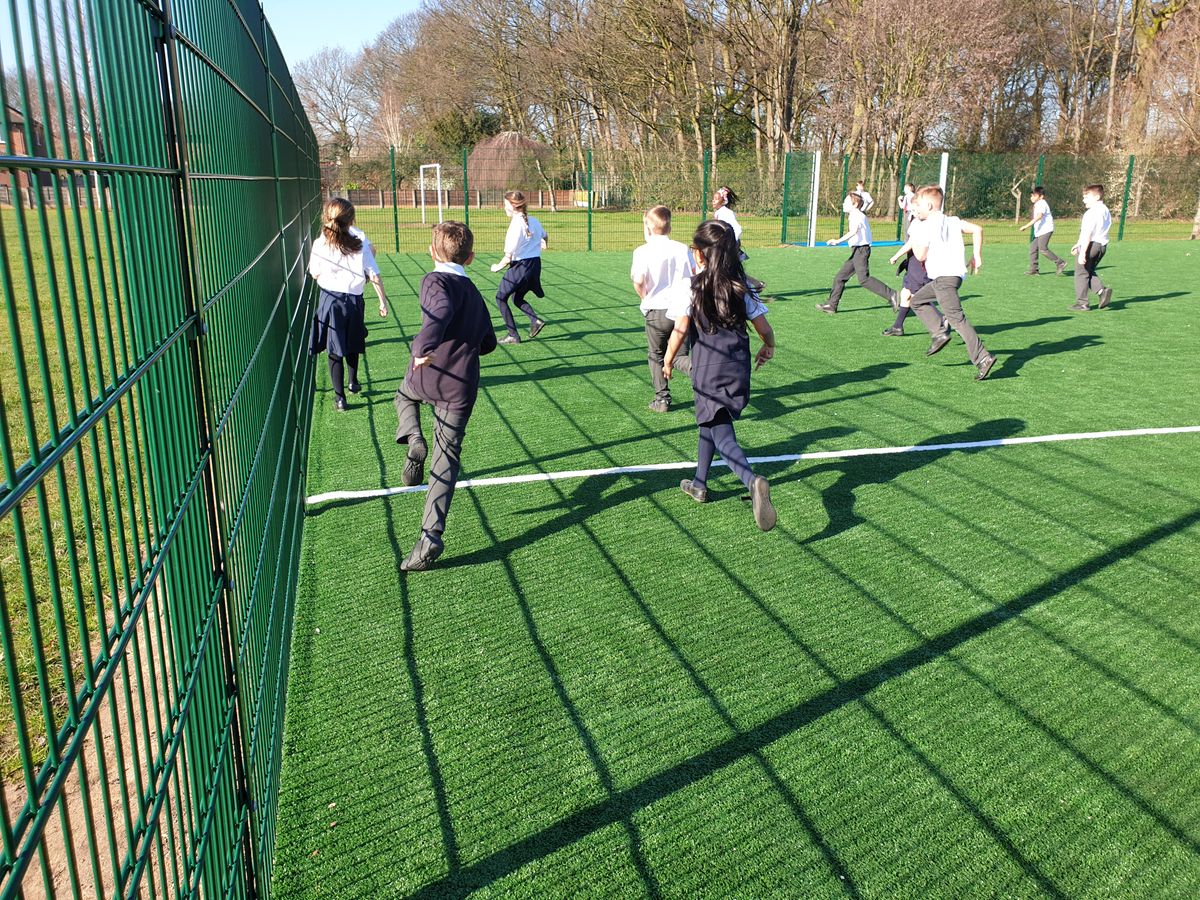
Even though gathering the proof is as easy as just recording numbers of competitions and pupils, getting a MUGA or sports field can be incredibly hard as the majority of these facilities are listed as capital expenditures.
Indicator 5: Sustainability of the Improvement
As we spoke about before, sustainability is vital for the 2026 sports premium funding, and this key indicator is all about proving how sustainable your proposed play equipment is. Whether this is providing sustainable improvements to the PE curriculum your school delivers, or providing more sustainable play equipment for lunchtime, sustainability is a huge factor for this years funding.
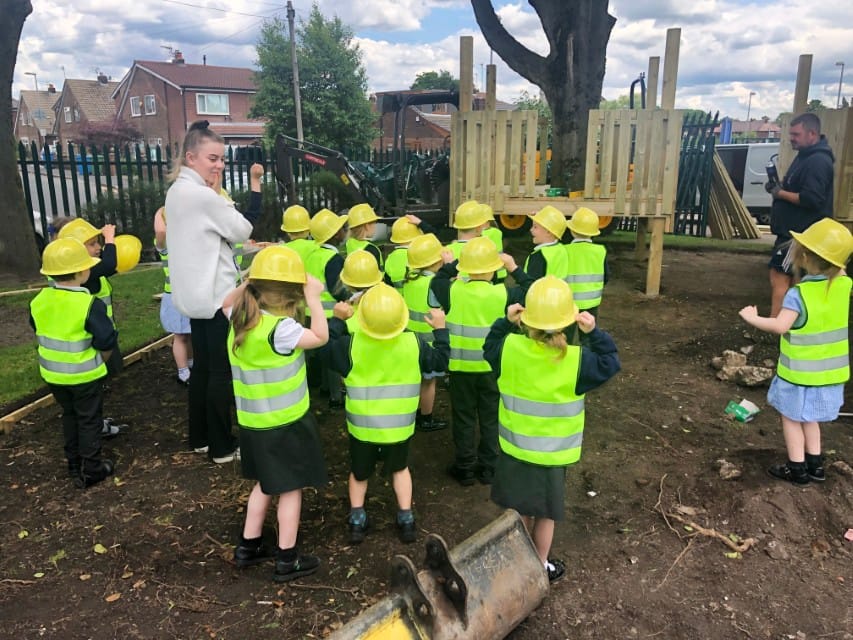
To achieve this, try to purchase equipment that not only provides strong guarantees, but is also constructed by an experienced company.
Not only do guarantees help to prove this, but regular maintenance and inspections can be used to showcase the sustainability of the equipment. The best form of proof however is by using a competent, RPII-qualified inspections and maintenance team who will carry out a thorough check of the equipment and provide a strong, written up report (which can be used for proof).
The Questions Governors Will Ask - And How to Answer Them!
If there's any section to remember after reading this guide, this is the one! After speaking to our contacts, we've collated a nice list of common questions that you might face during your meeting with the governors. Keep in mind, the governing board aren't trying to catch you out, but they are trying to see if your proposed equipment meets the requirements laid out by the DfE.
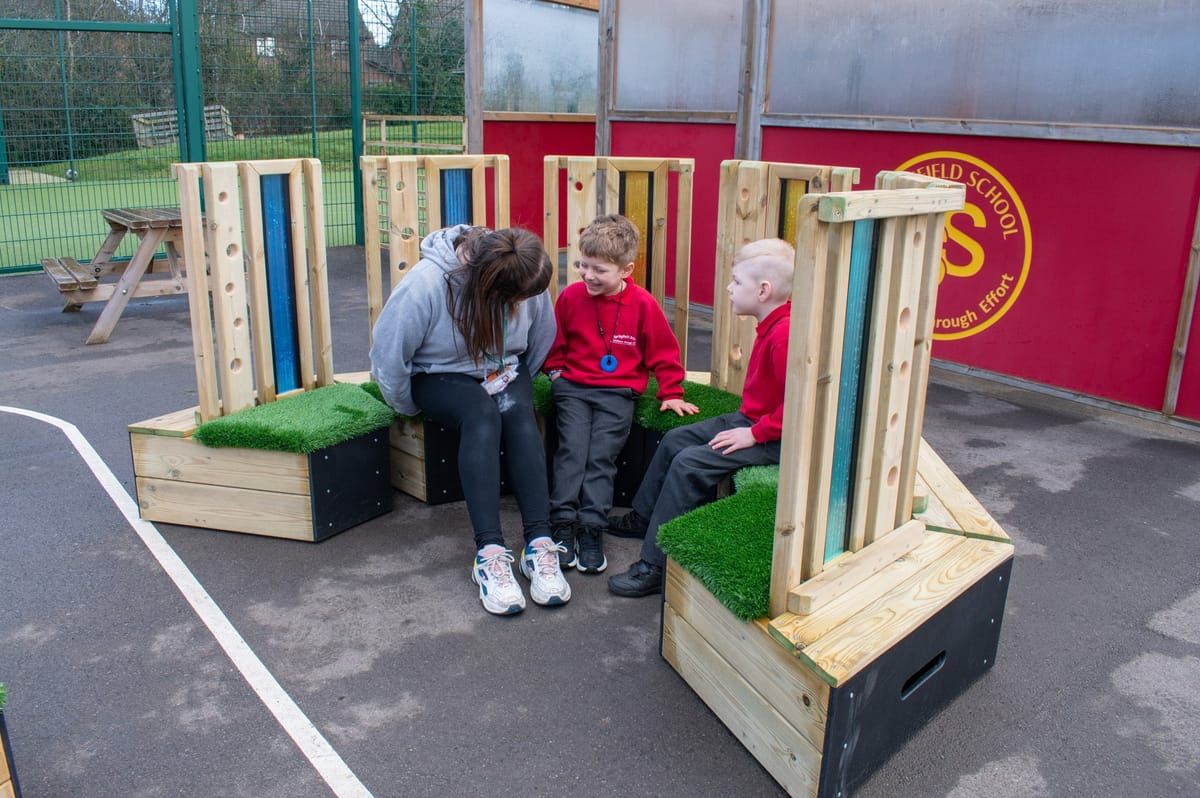
Below are the common questions and strong answers to those questions that will help you navigate yourself through the meeting. Answers don't have to be an essay. All they need to do is hit the key points and remain focused on the question.
How does this improve PE quality, rather than just being something fun for break time?
All you need to do is link your proposed play equipment to a specific key indicator and a specific need that the equipment aims to tackle. For example:
"It directly supports indicator 1, as it gives our non-specialist staff a structured outdoor environment, which will increase their confidence in delivering PE outside the classroom, which will lead to high-quality PE lessons to be delivered."
Isn't this just capital expenditure?
Remember to check your de minimis threshold beforehand to know if your proposal will (or will not) be classified as capital or revenue expenditure. For example:
"No it isn't, as my proposal falls beneath our de minimis threshold, which classifies it as a revenue expenditure. As a result, this means it's eligible for Sports Premium funding."
Why this piece of equipment, and not something else?
Focus on directing the attention to the need, and how your selected piece of play equipment is aimed at tackling this need. For example:
"We identified that 63% of pupils were largely inactive at lunchtime. The equipment I am proposing to you directly addresses that gap, rather than being a general purchase."
How do we know pupils who aren't already sporty will actually use it?
This links really nicely with key indicator number 2. If your proposal is focused on meeting this indicator, then you'll find it easy to answer. For example:
"Unlike team sports, this kind of equipment supports open-access, self-directed play, which tends to draw in pupils who don't engage with structured or competitive sport."
What happens when the primary PE and sport premium funding ends next year?
This question is one of the most common ones staff get, but it has a really simple answer. Focus on the sustainability aspect of your proposal. For example:
"That's exactly why this purchase meets the sustainable requirements. It's a one-off investment with a 10-15 year lifespan, which means pupils will keep benefiting long after this funding cycle closes, with no on-going cost."
How will we know if it's actually worked?
With this question, the governing body is wanting to know which key indicator your equipment will be applying to, so make sure you know before hand. For example:
"We'll track usage data and activity levels before and after installation, and report on it as part of next year's Sports Premium statement. This will help us achieve the second key indicator."
Have we consulted pupils or staff on this?
One of the easiest questions you could be asked, try and gather some feedback from both pupils and staff on your proposal. Simple conversations with lunchtime supervisors, pupil voice and staff surveys provide fantastic data that can be used to strengthen your case. For example:
"Yes. After speaking with our lunchtime supervisors and reviewing over 20 staff surveys and 15 pupil feedback forms, there's a clear demand for equipment that is able to promote participation in competitive sport in a more effective manner."
Building Your Evidence Pack
Answering the questions is an easy task, but having evidence behind each of these answers makes it a cake walk!
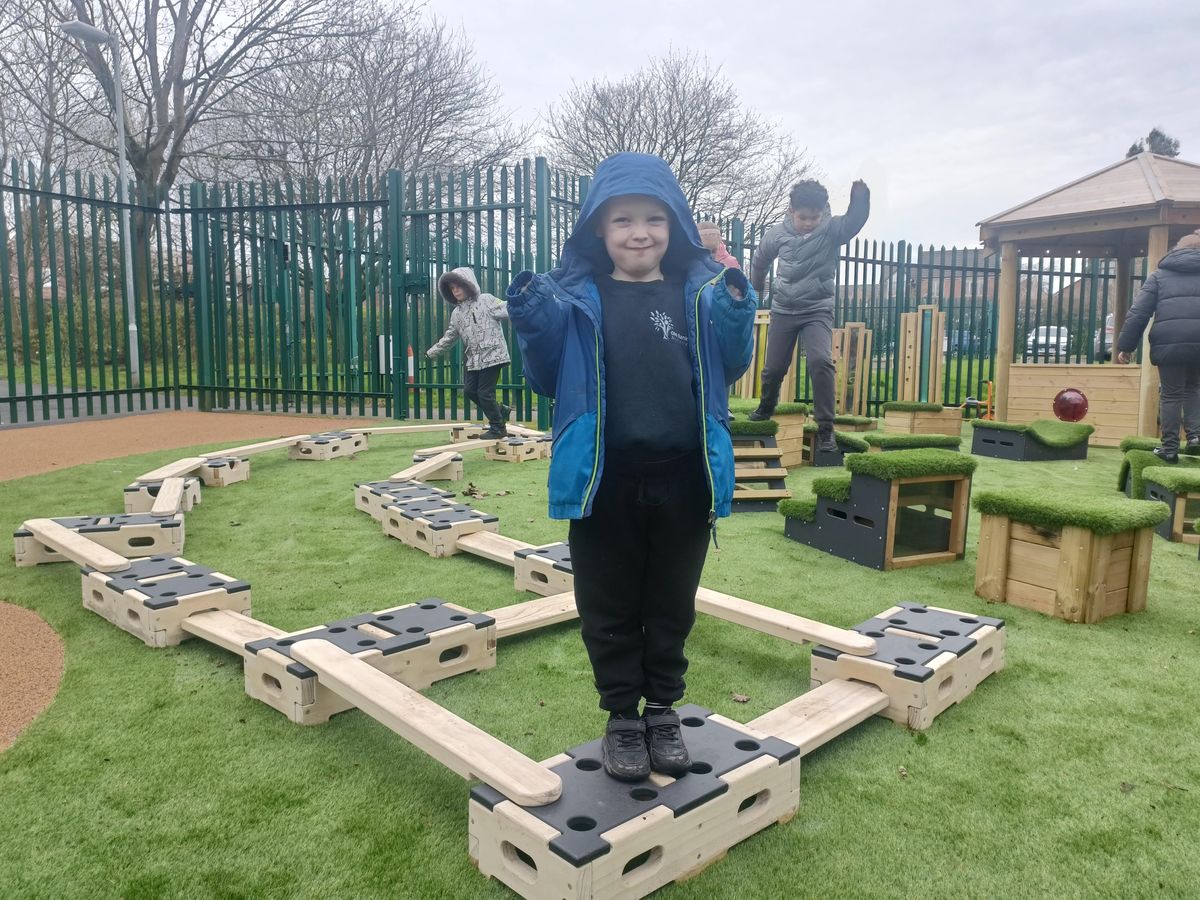
Before the meeting, make sure you're able to put together an "evidence pack" which includes the following:
- The identified need - utilise pupil voices, staff feedback and/or activity data that shows the gap this purchase addresses.
- Indicator alignment - a short note on which of the five key indicators the purchase supports, and why you're focusing on those indicators (or just the singular one).
- The additional and sustainable case - A line or two that confirms what this equipment adds beyond your school's current provision, and the expected lifespan of the proposed equipment.
- Cost classification - confirmation from your school business manager or finance lead that the purchase sits below your de minimis threshold.
- Expected impact - what you expect to measure once it's installed, how you plan to measure it and when you'll report back on it.
- Links to your PE and Sports Premium strategy statement - show how the purchase fits your school's published plan, and how your proposal isn't just a standalone decision.
As we've said before, it's quality over quantity. Your evidence pack doesn't need to be a lengthy slide show or PDF. It could be a simple single printed sheet of paper covering these point, or a single slide that showcases each of these elements. By doing this, your showcasing to the governors that each element has been thought through and not ignored.
How to Write the Justification for Using the PE and Sport Premium Funding
When it comes to writing up the purchase for your digital reporting return, the strongest justifications follow a really simple structure: need, alignment, rationale and impact. To assist you, we've put together this handy template that you can adapt to suit your own situation:
"We identified [the need], evidenced by [your data or feedback]. This purchase supports Key Indicator [X] by [specific mechanism — e.g. increasing structured activity at lunchtime]. It meets the additional and sustainable criteria: it provides [what's new] beyond our existing provision, with an expected lifespan of [X years], benefiting pupils well beyond the current funding cycle. We will measure impact through [usage data / participation numbers / staff feedback], reported in [timeframe]."
Here's an example of the template that was filled out by an ex-PE lead to showcase how it should look:
"We identified that 40% of pupils were inactive at lunchtime, evidenced by playground observations and pupil voice surveys. This purchase supports Key Indicator 2 by increasing structured activity during break and lunchtime. It meets the additional and sustainable criteria: it introduces multi-activity play not previously available at our school, with an expected lifespan of 15 years, benefiting pupils well beyond this funding cycle. We will measure impact through termly usage data, reported in our next Sports Premium statement."
Try to keep the language specific rather than general. For example, saying "improves PE" says nothing of real value, whilst saying "increase structured lunchtime activity for pupils not currently meeting the 60 active minutes a day" says everything a governor or DfE reviewer needs to hear before approving your proposal.
Common Mistakes That Undermine a Strong Case
After speaking to some ex-governors from across the UK, we've put together a list of the most common reasons a genuinely good purchase could be rejected based on how the proposal is formatted:
- Vague language - saying "this will improve PE" tells a governing body nothing. To fix this, be specific about what changes and for whom, such as activity levels, staff confidence, participation numbers etc.
- No link to a key indicator - without a clear link, the purchase will look disconnected from the DfE criteria. To fix this, name the indicator explicitly in your justification, and not just simply imply it.
- No evidence of need - if the equipment appears without an identified problem behind it, it reads as a want rather than a plan. To fix this, always lead with the need, backed by data or feedback.
- Treating it as a one-off spend - framing the purchase purely as "this year's spending" misses the sustainability test entirely. To fix this, aim to spell out the expected lifespan of the equipment and the future benefit it will have explicitly.
- No plan to measure impact - a purchase with no follow-up evidence leaves next year's reporting empty-handed. To fix this, decide on what you'll measure and when, even before the equipment is installed.
- Ignoring the strategy statement - purchases that don't visibly connect to the school's published PE and Sport Premium strategy can look arbitrary. To fix this, reference the strategy statement directly in your justification.
| Mistake | Fix |
|---|---|
| Vague language ("this will improve PE") | Be specific about what changes and for whom |
| No link to a key indicator | Name the indicator explicitly in the justification |
| No evidence of need | Always lead with the need, backed by data or feedback |
| Treating it as a one-off spend | Spell out the expected lifespan and future benefit |
| No plan to measure impact | Decide what to measure and when, before installation |
| Ignoring the strategy statement | Reference the strategy statement directly |
Proving Impact After Installation for the Governors and the DfE
As much as we would love to say that the justification process ends once the equipment has been approved, the work still continues to prove the impact that the funded equipment is having on your school.
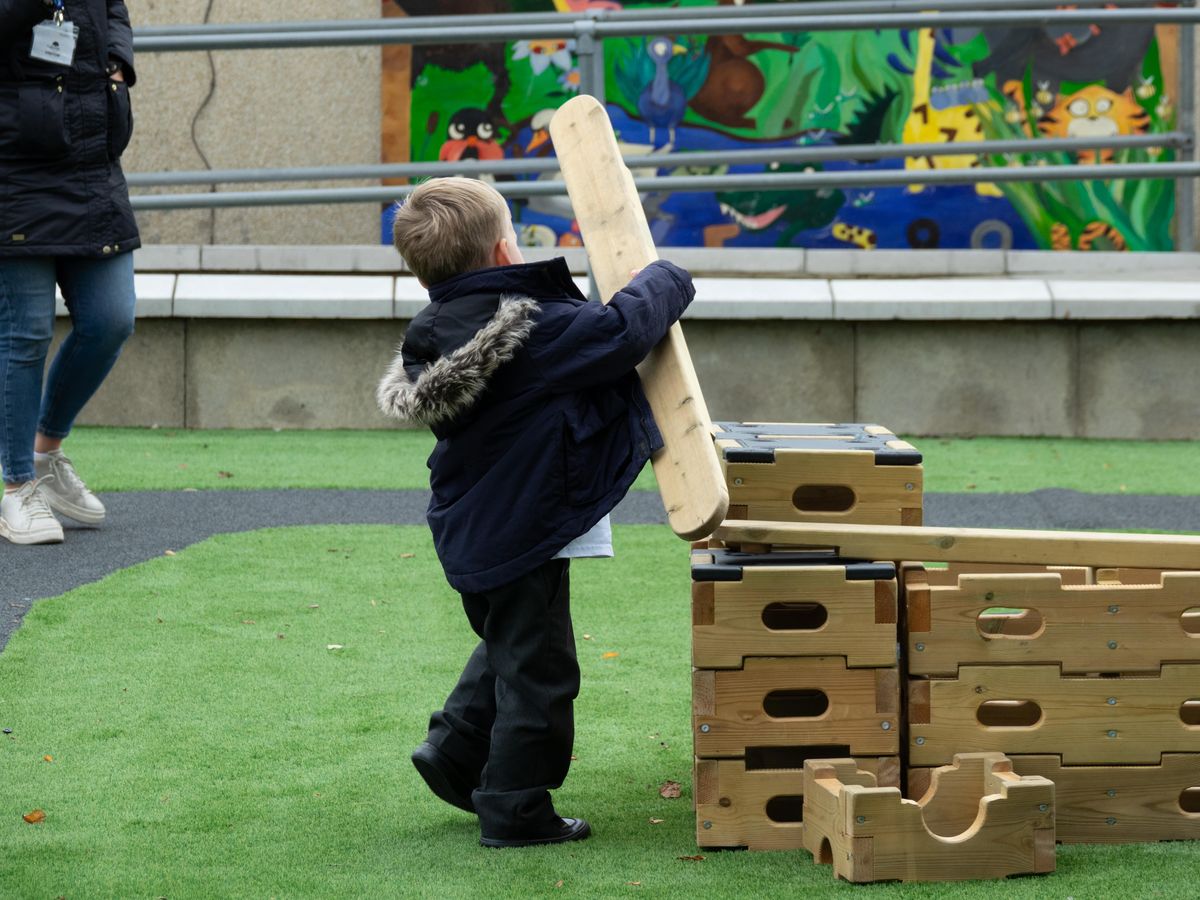
This step is vitally important, not only do the governors want to see the impact, but the DfE requires all schools to prove (with evidence) how the Sports Premium funding has been used to make a direct impact on the pupils and the school.
There's a variety of different ways you can gather evidence, but we've listed some of the easier and most common ways school staff choose to gather this evidence:
- Track usage - from simple observations to informal tally marking, try to note how many pupils are active during break and lunchtime and compare the figures between before the installation, and after.
- Gather feedback - create a short pupil voice survey or have conversations with staff members to learn about changes in confidence levels, enjoyment and/or participation in activities.
- Keep maintenance records - having a RoSPA-accredited playground inspection carried out can be a great way to showcase the sustainability aspect of your investment. Try to keep all routine, operational and annual inspection documents on hand.
- New activities - whether it's new types of movements that have been introduced into your primary PE lessons, or new after-school sports clubs, being able to showcase the new additions your school has to offer thanks to the new equipment is a fantastic form of proof.
- Supplier documents - often under looked, but trusted suppliers like Pentagon Play will not only have their equipment EN1176 certified to ensure safety, but they will also have guarantees and rough lesson plans revolving around the equipment, making for a great form of proof.
The best advice we can give is to adapt impact monitoring into your routine as quickly as possible, as the more evidence and information you can gather, the easier proving the impact will be in the following academic year.
Your Final Checklist Before You Present to Governors
If you've read all the way through this document, then amazing work! You now know what's expected from you by the governing body for your Sports Premium proposal and how you can make the justification process incredibly easy.
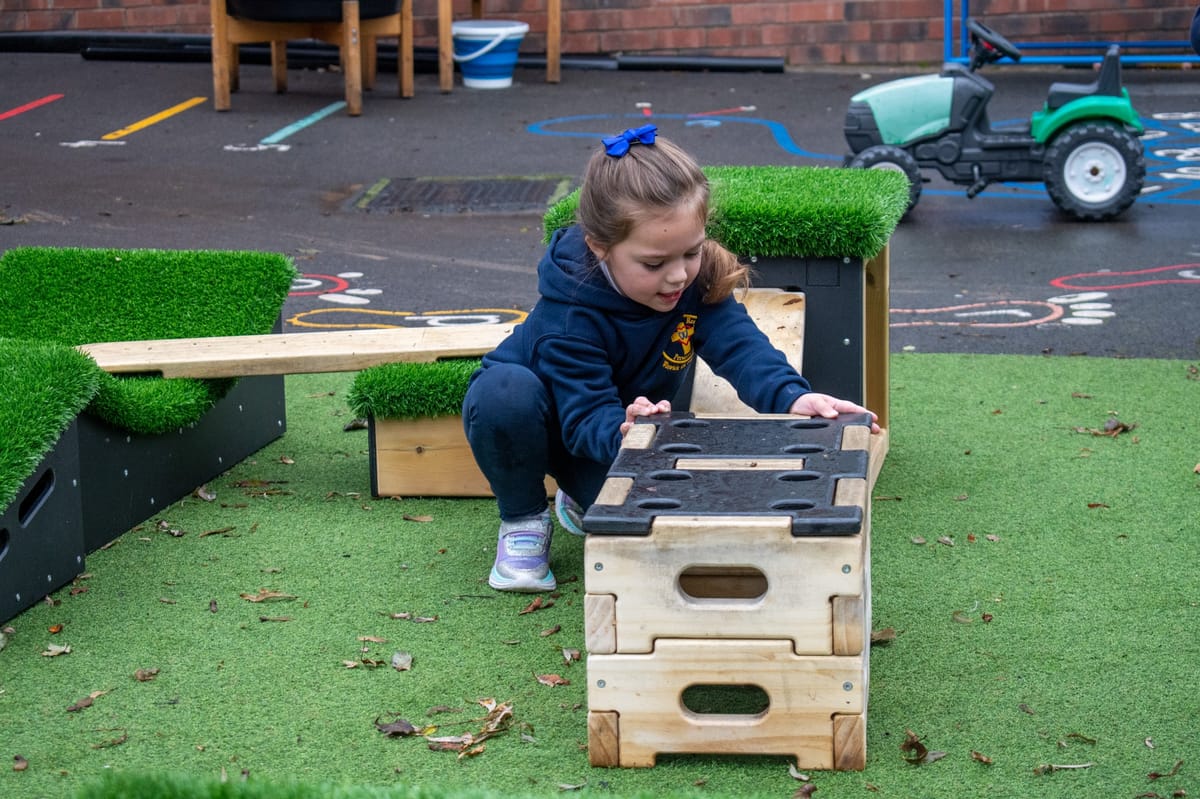
To make life easier, we've put together this quick and easy checklist that you can use to keep track of which elements have been completed and which ones are still missing. Keep in mind, you want every point to be ticked off before you go making any justifications:
- Need identified - you know exactly what the school is missing and have identified it through data, feedback or observation (not assumption).
- Indicator(s) mapped - you know which of the five key indicators your proposed equipment supports, and why.
- Additional and sustainable case made - you understand what your requested play equipment adds beyond the current provision, and what its expected lifespan is.
- Cost classification confirmed - you've checked with your finance lead that the equipment sits below your de minimis threshold.
- Evidence pack ready - you have all of your evidence compiled nicely together in one place (such as a PDF or a slide).
- Written justification drafted - you've written your justification piece, covering the need, the alignment, the rationale and the impact structure (using our template).
- Impact-monitoring in place - you know what you'll be measuring after installation, and when you'll be reporting it back to the governing body and DfE.
- Linked to your strategy statement - you've double-checked that the equipment visibly fits your school's published PE and Sport Premium plan (which can often be found on their website).
With everything ticked off this list, you're not only ready to answer any questions thrown your way, but you're also ready to lead the conversation and help your school acquire new equipment that will support pupils and staff alike! For a rough idea of what you can actually get with your remaining budget, read our guide on Sports Premium spending.
How Can Pentagon Play Help?
Navigating the process of justifying your proposal can be a real headache. From taking hours of your valuable time, to requiring knowledge in a variety of different areas. It's no surprise why some staff members don't pursue utilising this grant. But don't worry, we're here to help schools across the UK navigate this.
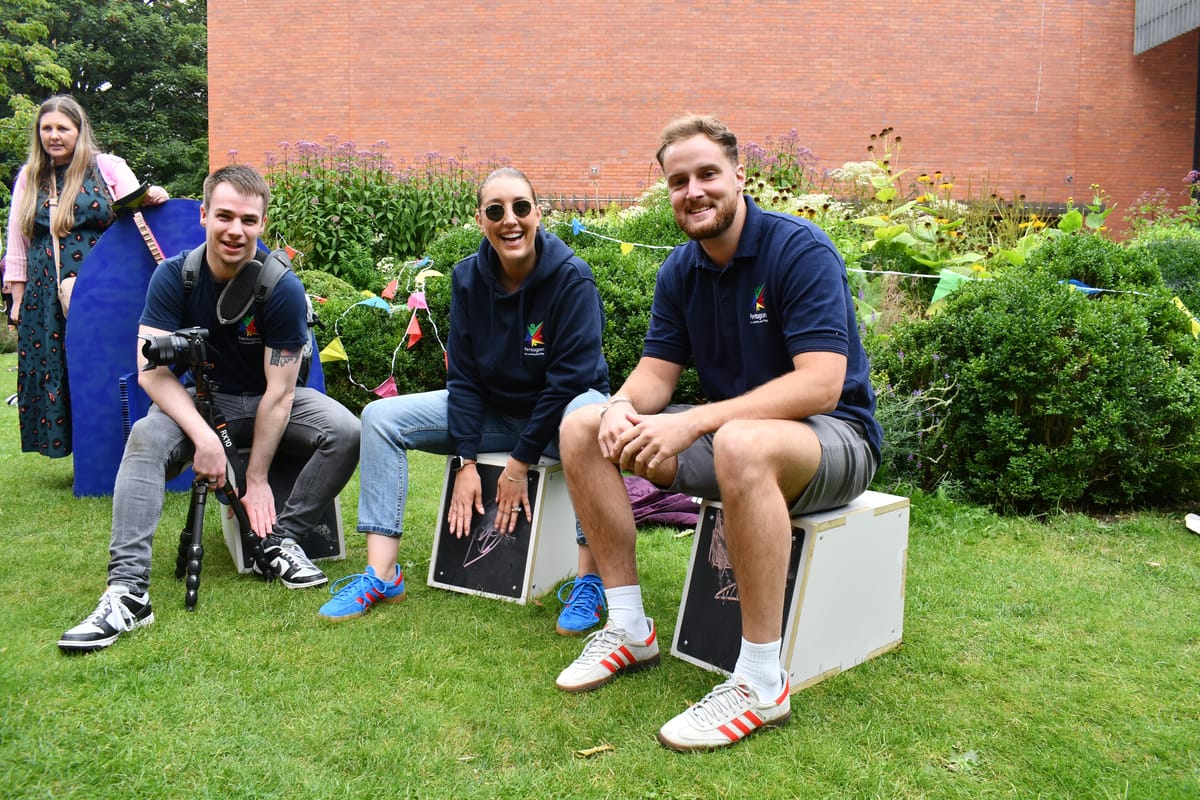
Due to working closely with schools for over 25 years, Pentagon Play understand this issue better than any other company you'll find, which is why we've tried making this experience a lot simpler for you. By using us as your supplier for Sports Premium equipment, you can expect:
- Complete transparency with our guarantees, materials used and expected lifespans
- Ideas of what the equipment could bring to your school
- Curriculum-focused equipment in line with DfE aims
- Knowledgeable and experienced staff on-hand for support
- Fantastic after-care service
- Access to RPII-qualified inspections and maintenance services
- A wide variety of equipment designed to meet de minimis thresholds, abide by Sports Premium guidelines and improve the quality of PE and sport activities
- A simple ordering process which can be done from the comfort of your computer
- And more!
And right now, we have an exclusive benefit for everyone looking to get the most out of their Sports Premium before it ends. You can save up to 20% on Sports Premium compliant products when you order through the Online Shop, meaning you can get even more from your funding!

When we say that there is no one like us in the industry, we really mean it! Just like how our founders wanted to revolutionise play in the 90s, we've taken that desire and brought it to the modern day. You can always trust us to help find the perfect equipment for you.