

Company News
The Ultimate School-Based Nursery Capital Grant FAQ for 2027-30!
Feeling confused after reading the School-based Nursery Capital Grant documents for 2027/30? You're not alone!
Just as phase one and two did, phase three has led thousands of teachers scratching their heads and searching far and wide for answers to their burning questions. And just like both of the previous phases, Pentagon Play are here to help you through phase three by answering the most frequently asked questions regarding the grant.
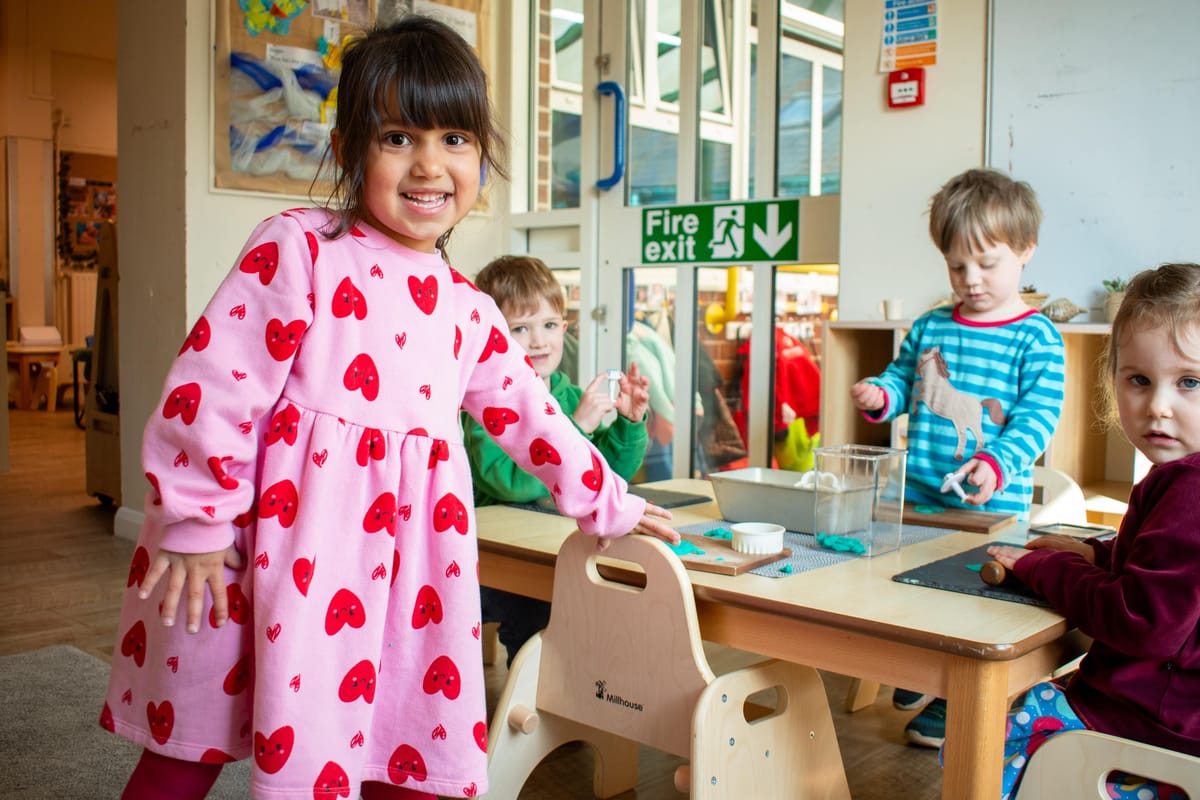
We've broken down this blog to cover areas that have the most commonly asked questions within them. If you're unsure where to find an answer to your question, make sure to read the intro to each section to understand more about the nature of the answers discussed.
Before we begin though, it's important to note that we ARE NOT directly associated with the funding scheme. This means that any questions regarding your specific situation should be directed to the Department of Education (DfE) Help Portal for answering.
We will update this blog regularly, so make sure to bookmark it to never lose access to this treasure trove of information!
General Eligibility & Process
Struggling to understand how the process actually works? Or do you simply want to know if your school can apply for the grant? This section holds all the answers to your questions revolving around how the funding works and who is and isn't eligible for the funding.

Who can apply for the School-based Nursery Capital Grant?
To apply for phase three of the School-based Nursery Capital Grant, your school must reside in England and either be a state-funded primary phase school, a maintained nursery school or on a Best Start Family Hub site.
However, rather than schools applying individually, phase three requires local authorities to now submit funding proposals that cover multiple projects across their area. As a result, schools must work closely with their local authority to develop proposals.
It's important to note that schools who were successful during phase 1 and 2 of the SBN capital funding grant funding scheme ARE eligible for phase 3 (if their proposal adds new places beyond what was created).
Can I apply if I wasn't successful during phase one and two of the SBN funding scheme?
Yes! You can reapply for the school-based nursery funding during phase three if you weren't successful during phase one and/or two of the scheme.
Please note that unlike previous phases, schools are not responsible for submitting the application. Your local authority needs to apply on your behalf, so please ensure that your LA is on-board for your interest.
How do schools apply for nursery funding?
To apply for phase three of the School-based Nursery Capital Funding Grant, you first need to discuss the proposal with your local authority's Early Years Team. Only the local authority can submit the application.
To increase the chances of your local authority allowing your school to apply, it is recommended that your school contacts their property agent to start discussions regarding development that is needed (such as a feasibility study).
From here, schools will need to work closely with their local authority to:
- Confirm timelines
- Submit an Expression of Interest (EOI)
- Prepare a proposal
- Ensure the deadline can be met
Is the SBN funding guaranteed once we apply?
No. Your application for the School-based Nursery Capital Grant is carefully analysed by both your Local Authority and the Department of Education to highlight whether or not the SBN funding scheme is suitable for you.

The DfE has a strict ranking criteria to ensure schools that need it the most are able to acquire it. This criteria focuses on factors such as deprivation (such as FSM and IDACI) and value for money (cost per place). As phase one and two of the funding scheme was popular, it's expected that the judgements of applications will be even stricter and rigid.
In addition, the DfE will also look at how you plan to spend the funding once acquired and if they believe your spending is ineligible, they can refuse to cover the expenses.
How long does it take to receive the school-based nursery funding?
Currently, there is no exact date of when your school will receive the funding. However, local authorities will be notified of their outcome, with successful LAs receiving their grant letters in Spring 2027.
Please keep in mind that the payment can be delayed depending on if the DfE carries out further due diligence checks on your application. In addition, there is the possibility that the DfE may reopen or extend the window for phase three submissions, which could possibly delay the timeline of when schools can expect things.
Is the SBN Grant a one-off payment or ongoing?
Phase three of the SBN capital grant funding scheme is an on-going payment. The DfE has recommended that schools do not attempt to complete their projects within a single year, but rather try and work around the funding profile of the DfE:
- 20% of the total funding will be delivered in year one (April 2027 to March 2028)
- 30% of the total funding will be delivered in year two (April 2028 to March 2029)
- 50% of the total funding will be delivered in year three (April 2029 to March 2030)
By working around this funding profile, schools can increase their chances of being successful for phase three of the school-based nursery capital grant.
What the Funding Can Be Used For
Got an idea for how to spend your School-based Nursery Capital Grant but you're not sure if it's classified as an eligible cost? This section aims to cover all of the commonly asked questions revolving around how the funding can be used.
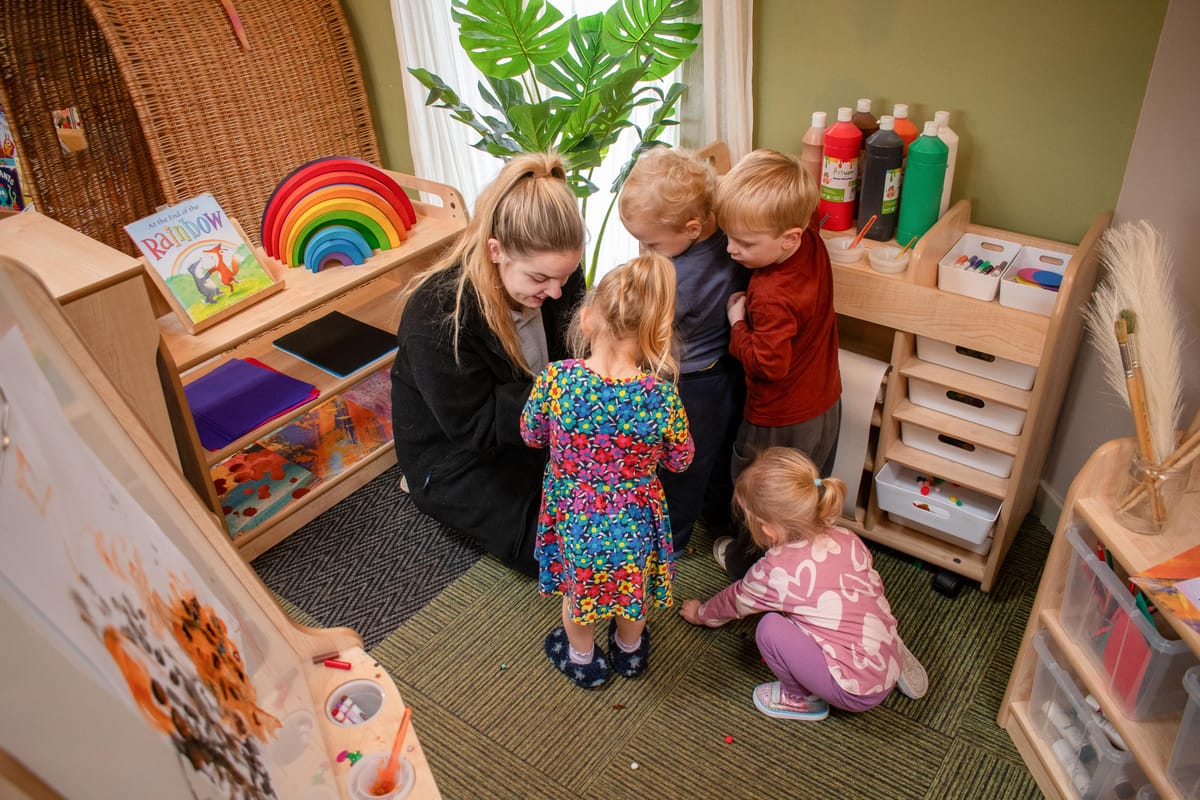
What resources does the school-based nursery funding cover?
The school-based nursery funding covers most resources that help schools create or expand a nursery provision. This means funding must be used for capital costs, like one-off investments that provide a lasting benefit.
Please note that the lists displayed below are not exhaustive lists, meaning these are just a few examples of what is and isn't covered by the SBN funding:
Examples of what it CAN cover
- Building works: Creating new nursery spaces or converting and reconfiguring existing areas, including structural changes, access points and compliance with planning and building regulations
- Refurbishment: Upgrading interiors and services to meet nursery standards, including flooring, finishes, fire safety, accessibility, asbestos removal and mechanical/electrical systems
- Fixtures and fittings: Installing essential built-in elements such as toilets, kitchens, changing areas, storage, door systems, and security/access controls
- Nursery furniture: Providing age-appropriate tables, chairs, shelving, and seating to support early education learning environments
- Equipment: Supplying educational materials, sensory play equipment, and non-consumable classroom resources
- Outdoor space improvements: Developing safe and engaging external play areas, including surfacing, fencing, canopies, landscaping and storage
- Accessibility and inclusion: Ensuring the nursery environment is accessible for all users, including compliant access routes, adapted toilets, safe door systems, and inclusive design in line with current regulations
- Professional fees and project costs: Covering design, planning, surveys, project management, compliance roles (e.g. CDM), approvals and construction-phase insurance
Example of what it CAN'T cover
- Strategic planning and advisory costs: Fees and disbursements related to developing funding plans or consultancy support
- General maintenance and non-project works: Backlog maintenance, routine repairs, infrastructure upgrades or estate works not directly linked to the nursery provision
- Revenue and consumables: Everyday items such as books, stationery, craft materials, small toys and other non-capital resources
- Operational and running costs: Ongoing expenses including staffing, rent, service charges and annual software licences
- Temporary or interim arrangements: Costs for temporary accommodation, storage, removals or short-term refurbishment for interim teaching
- Pre-existing or unauthorised costs: Expenditure incurred before the grant launch, or costs resulting from unapproved project changes
- Administrative and compliance costs: Expenses related to funding agreement updates, Ofsted registration and recoverable VAT
Tip for schools: When planning, make sure that every item/service involved in your project directly links to creating, improving or expanding a nursery provision. Projects that clearly show how each item benefits a child's learning environment are more likely to be approved!
Can the SBN Grant be used for both indoor and outdoor learning spaces?
Yes! The School-based Nursery Capital Grant can be used for both indoor and outdoor spaces, as long as they form part of the nursery provision. From creating or refreshing nursery classrooms to creating a suitable play area for nursery children, as long as the proposed project is going to help enhance your school-based nursery's environment, then it's fine!
Tip for schools: If you're planning on using some of your fund for outdoor improvements, make sure to highlight how the space supports EYFS learning goals and child developments. This makes your application a lot stronger and shows the impact your project will have!
Can staffing or training costs be included in the School-based Nursery Capital Grant?
No. The School-based Nursery Capital Grant is strictly for capital costs (buildings, refurbishment, equipment, and facilities). It cannot be used to pay for staff salaries, ongoing operational costs, training or professional development programmes.
The grant is designed to fund one-off, long-term investments in physical nursery spaces, not the day-to-day running of provisions.
Tip for schools: While staffing and training aren't covered by this grant, other funding schemes like the Local Authority Early Years Funding or Professional Development Grant may support workforce costs!
Are there restrictions on suppliers for the SBN funding?
In most cases, schools have the flexibility to choose their own suppliers. However, there are a few important conditions, such as:
- All purchases must be for capital items that improve or expand nursery provision.
- Spending must follow your school's financial regulations and procurement rules (e.g. getting multiple quotes above certain amount).
- The project must meet DfE/EYFS standards for safety, accessibility, and suitability for early years.
Alongside this, please keep in mind the following:
- Some local authorities may require their schools to use pre-approved suppliers or frameworks, especially for building works. Check with your local authority before beginning a search.
- Choosing suppliers who don't meet safety or compliance standards could cause funding to be withheld. Make sure that all suppliers that you look at have the relevant experience and qualifications.
- The quality and durability of the items offered by the supplier are more important than the cost, as the DfE are looking for capital investments. Don't be put of by price tags, but instead focus on the quality provided by a supplier.
Tip for schools: Try to work with suppliers who are experienced in early years environments and can provide compliant designs and installations. This saves you a lot of time, ensures your project meets regulations, and even strengthens your funding case!
Can we combine the School-based Nursery Grant with other budgets or grants?
Yes! Schools can combine their School-based Nursery Grant with other funding sources to deliver a bigger or more ambitious project. This approach is encouraged heavily by the DfE, as it shows you're maximising resources to create the best possible nursery environment (which increases your projects value-for-money score, increasing the chance of the application being successful).
If you decide to incorporate other sources of funding into your school-based nursery project, just make sure that your SBN fund is spent on eligible items and that your other funds are kept separate to avoid using the wrong fund for the wrong reason.
Tip for schools: When planning to combine funding sources together, make sure to map out which elements are covered by the SBN Grant and which could be supported by other sources. This helps avoid overspending and massively strengthens your application.
Deadlines & Timelines
When does the Department of Education stop taking new applications for the grant? How long do we have to spend all of the money? Deadlines can often add stress to any project, especially when deadlines are hidden within a complicated timeline, such as phase three of the SBN funding scheme.

In this section, we'll cover all of the main deadlines you'll need to remember and how the DfE believes your timeline should look during your project.
When do we need to apply for the 2027/30 (phase 3) of the school-based nursery funding?
Currently, there is no date for when the application portal is opened. The DfE have stated that guidance will be updated in Spring 2026. The application service will close on the 30th September 2026 at 5pm, giving schools months to complete their entire application and submit any other relevant documents.
It is recommended that local authorities complete the template funding proposal form to gather the necessary information ahead of the applications going live.
Tip for schools: Make sure to prepare ahead! Collect local authority approval, landowner permissions, cost estimates and designs before you make a formal submission. You don't want to be rushing just before the deadline.
What happens if we miss the SBN funding deadline?
If your school misses the application deadline for phase three of the 2027/30 School-based Nursery Capital Grant, you unfortunately won't be able to apply in this phase. The DfE is incredibly strict with its deadlines and requires all applicants to submit their applications and supporting documents by the deadline. Late submissions will not be accepted.
If you are late, then you will have two options. Either you can look for alternative budgets or grants, but they might not offer as much for establishing a school-based nursery, or you can wait for the possibility of a phase four (however, we believe this is unlikely as the grant was created to meet a Government aim for increasing nursery places by 2030).
Tip for schools: Start preparing your application well ahead of the deadline. Gather approvals, designs and costings early as this prevents last-minute issues that could put your project at risk.
How long do we have to spend the School-based Nursery Grant once approved?
Once your school has been awarded the school-based nursery funding, you have until the 30th September 2030 to spend all of your funding. Any funding that is left over after this date is subject to being clawed back by the Secretary of State for Education.
However, this is dependent on the timeline of your project. Smaller projects are expected to be operational by September 2027. For clearer deadlines, you will need to work with your local authority.
Tip for schools: To ensure a timely completion, we advise that you start your school-based nursery project promptly after receiving approval. This allows you plenty of time for procurement, construction, and any unforeseen delays.
Can projects be phased across multiple academic years?
Yes! Your school-based nursery project can be phased across multiple academic years to make it more manageable. For phase three, this is actually recommended due to the way the funding will be delivered to local authorities.
Tips for schools: Focus on the necessary parts of your project first and then focus on other aspects throughout the academic years. This allows bigger projects to be more manageable and allows you more time to complete them.
Practical Considerations for Schools
Want to know how you can make your application have the highest chance of being successful? Or perhaps you're more concerned about how your funding usage will be checked? Due to the complexity of the guide published by the DfE, it's quite the challenge to consider the practical impacts the process can have on your school.

This section aims to answer all of your questions revolving around the practicality of the SBN Grant and what you should expect throughout the entire process!
How can we make sure our application for the SBN funding is successful?
Submitting a strong application for the School-based Nursery Capital Grant (SBN Grant) is about clarity, compliance, and demonstrating impact. If your application is able to remain clear, ensure the DfE that your project will remain compliant and provide a positive impact on childcare within your local area, then you have a great chance of being successful.
Below are some key steps that you can take to improve the likelihood of your application being accepted:
- Read and follow the guidance carefully: try to understand more about what the DfE is trying to accomplish with the SBN funding scheme and try to align your project with their objectives.
- Complete the online application thoroughly: make sure to fill out all fields of the application form and provide required supporting documents when needed.
- Show the educational benefit: explain clearly how your school-based nursery project will improve learning outcomes, provide more childcare spots and meet EYFS standards.
- Include detailed costings: aim to provide realistic quotes and budgets for all capital items.
- Demonstrate readiness: show that planning, permissions and approvals are all in place, showing the DfE that the project can start as soon as it's approved.
- Highlight both indoor and outdoor provision: DfE want projects to focus on both indoor and outdoor spaces for their school-based nursery, so ensure that your application mentions your plans to create a seamless free-flow integration between your indoor and outdoor environment.
- Ensure compliance: speak to all of your suppliers and ensure that all safety, accessibility and regulatory requirements are being followed and met.
Tip for schools: Working with experienced suppliers or design partners (like Pentagon Play) can make a real difference. They can help create compliant, high-quality proposals that clearly show the value of your project, reducing delays and increasing your chances of approval.
Will installation be covered as well as equipment/furniture?
Yes! The School-based Nursery Capital Grant can typically cover both the purchase of equipment and furniture, as well as the cost of professional installation (as long as it's part of the capital project). Installations must be capital-related and must comply with health, safety and EYFS standards to be eligible for cover.
Tip for schools: When planning your project, include installations within your budget and quotes, and work with suppliers experienced in early years environments. This ensures your nursery is ready to use immediately after funding is awarded and strengthens your application!
What if our project costs more than the SBN Grant amount?
With phase three offering a total of £235 million, local authorities have been told that projects should not exceed £1 million, and projects repurposing existing space to cost no more than £500,000. It is very unlikely your project will exceed this amount.
If your project has exceeded the total funding that has been allocated to you, you can use additional school budgets or reserves to cover the shortfall. In addition to this, you can phase the project into smaller stages, focusing on completing the necessary parts of the project first and then focusing on adding other improvements later.
The DfE will not increase your SBN Grant to cover the extra costs, which is why DfE recommends that all applicants seek additional funding sources for their project if they believe it will be big.
Tip for schools: Create a detailed budget and phased plan before applying. This helps to ensure that your project stays within the grant limits, whilst maximising the impact of every pound spent!
Do we need to evidence how the School-based Nursery Grant was spent?
Yes. Schools must keep detailed records showing exactly how the SBN Grant was used. This ensures accountability and compliance with the grant conditions.
Below is a list of evidence that schools should keep:
- Copies of invoices, receipts, and quotes for all purchases and installations
- Records showing which items were funded by the grant versus any other budgets/schemes
- Photographs of completed works or installed equipment
- Any planning approvals, permissions, or compliance certificates
Tip for schools: Set up a simple tracking folder or spreadsheet from the start of your project. Record each purchase, its purpose, and attach support documents. This makes end-of-project reporting quick and stress-free.
Will Ofsted or the local authority check usage?
Yes. Both Ofsted and Local Authorities may review how the funding has been spent. However, the main focus is typically on compliance and ensuring the grant was used appropriately for nursery provision. This can often involve an inspector or local authority officer:
- asking to see records of purchases, invoices or installation evidence
- visiting the nursery to check that improvements have been implemented as planned
- verifying that funded items meet EYFS standards, safety regulations, and accessibility requirements
Tip for schools: As mentioned before, try to maintain a simple project folder or digital record of all grant-related activity. This massively reduces stress and ensures that your school is always audit-ready.
Compliance & Regulations
With the Department of Education wanting all applicants to be compliant with the regulations and rules of the SBN funding scheme, it's important that schools understand more about the legalities and rules surrounding the grant.

In this section, we'll cover all of the commonly asked questions regarding how schools can be compliant with the DfE and what regulations surround the scheme in general.
Do SBN funded spaces need to meet EYFS requirements?
Yes! Any space or equipment funded through the School-based Nursery Capital Grant must comply with Early Years Foundation Stage (EYFS) requirements. This ensures that your school-based nursery environment is safe, accessible and supportive of a child's learning and development.
Key areas that must be considered for your funded space include:
- Safety and accessibility: the space should provide a safe space for young children to thrive in, which means all equipment should be suitable for EYFS children.
- Space requirements: rooms which host a school-based nursery should provide enough usable space per child and support free-flow between indoor and outdoor areas.
- Learning environment: school-based nurseries should facilitate key EYFS learning goals, such as role-play, reading, and creative explorations.
- Sanitation and hygiene: toilets, sinks and handwashing facilities must be age-appropriate and meet regulatory standards.
Tip for schools: When designing your funded nursery space, ensure all elements (both indoor and outdoor) align with EYFS guidelines. Working with experienced suppliers can make compliance straightforward and strengthens your application.
Are there minimum space or facility standards for a nursery?
Yes. All school-based nurseries funded via the School-based Nursery Capital Grant must meet certain minimum space and facility standards to ensure a safe, accessible, and high-quality learning environment. Factors to focus on include:
- Sufficient floor space per child to allow for free movement, play and group activities indoors
- Areas for outdoor learning and play that are safe, accessible, and directly connected to the nursery
- Age appropriate tables, chairs, storage and play resources for the children
- Child-sized toilets, sinks and handwashing stations that meet hygiene and accessibility requirements
- Safe surfaces, adequate lighting, ventilation and fire safety measures should be in place throughout the entire nursery
Tip for schools: Working with experienced suppliers can design and install facilities that meet both EYFS and minimum space standards. This not only ensures compliance, but strengthens your grant application.
What accessibility requirements should we plan for?
Any space or equipment funded through the SBN Grant must be fully accessible, ensuring all children (including those with disabilities or additional needs) can use the school-based nursery safely and independently.
Having accessibility options like ramps, accessible toilets, spaces for wheelchairs, safe pathways and other types of accessibility equipment can help to ensure that your environment remains accessible and adheres to the Equality Act 2010.
Tip for schools: Plan accessibility from the start, rather than trying to place it in later on. Experienced suppliers (like Pentagon Play) will often have experience with inclusive early years design, which helps your new space naturally meet legal requirements and create a space for every child. Pentagon Play can assist with your design, ensuring that accessibility requirements are met.
Will Ofsted inspect the new nursery provision?
Yes! Once your school-based nursery is operational, it will require an Ofsted inspection. Just like any other early years inspection, Ofsted will focus on how well your new nursery meets EYFS standards and supports children's learning and development.
It's important to note that Ofsted won't inspect the funding process itself, but will focus more on whether or not the funded space is being used effectively to provide a high-quality nursery experience.
Tip for schools: Ensure your nursery is ready for inspection from day one by following EYFS guidelines, maintaining clear records, and keeping your spaces safe, accessible and stimulating!
Financial & Budgeting Questions
Either it's the highlight of the project or the part that you dread, finance management plays a huge role in how successful a school-based nursery project is. By knowing the numbers and constantly keeping track of them, you'll be able to create the perfect EYFS environment without overspending a single penny!

In this section, we'll answer some common questions surrounding the financial side of the School-based Nursery Capital Grant and what you should expect.
What’s the maximum amount of SBN funding available per school?
For phase three of the School-Based Nursery Capital Grant, each school can apply for an amount up to £1,000,000. The Department of Education will decide on how much your school will be allocated depending on what costings you have provided and whether or not they are eligible.
Can we reallocate unused funds to another project?
No! Any unspent funding from the grant must be returned to the DfE. The grant is specific to the approved project and you cannot transfer it to unrelated initiatives or future projects.
If you misuse any left over funds, it can affect your eligibility for future grant rounds. To avoid any potential consequences, ensure that all of your left over fund is returned.
Tip for schools: Plan your project carefully and include a small contingency within your budget to avoid underspending. This ensures that the full grant is used effectively without returning money unnecessarily.
What happens if costs rise after the SBN Grant is awarded?
If costs rise after your SBN Grant has been awarded, you must be able to cover the difference with your school's own budget or seek additional grants or fundraising. The DfE are unable to increase your grant amount once it has been approved.
Tip for schools: When planning your project, include a realistic budget and contingency to account for potential cost increases. This avoids delays and ensures your school-based nursery project stays on track.
Can we claim VAT back on nursery funding projects?
It depends on your school's VAT status. If your school is state-funded, then you cannot reclaim VAT on capital expenditure. If your school is an academy or a VAT-registered school, then you might be able to reclaim VAT on eligible purchases. Make sure that you check with your finance team or HMRC guidelines for extra clarification.
Make sure to always confirm your VAT eligibility before ordering equipment or services to avoid any unexpected costs, since the SBN Grant can only cover expenses incurred.
Tip for schools: Include VAT considerations in your project budget early. If you're unsure, consult your finance team, as this prevents overspending and ensures your funding is used effectively.
Impact & Outcomes
What impact will having a school-based nursery have on your school? How will it benefit the children? The guide published by the DfE attempts to answer these questions, but gets a bit complicated due to the amount of information to digest.
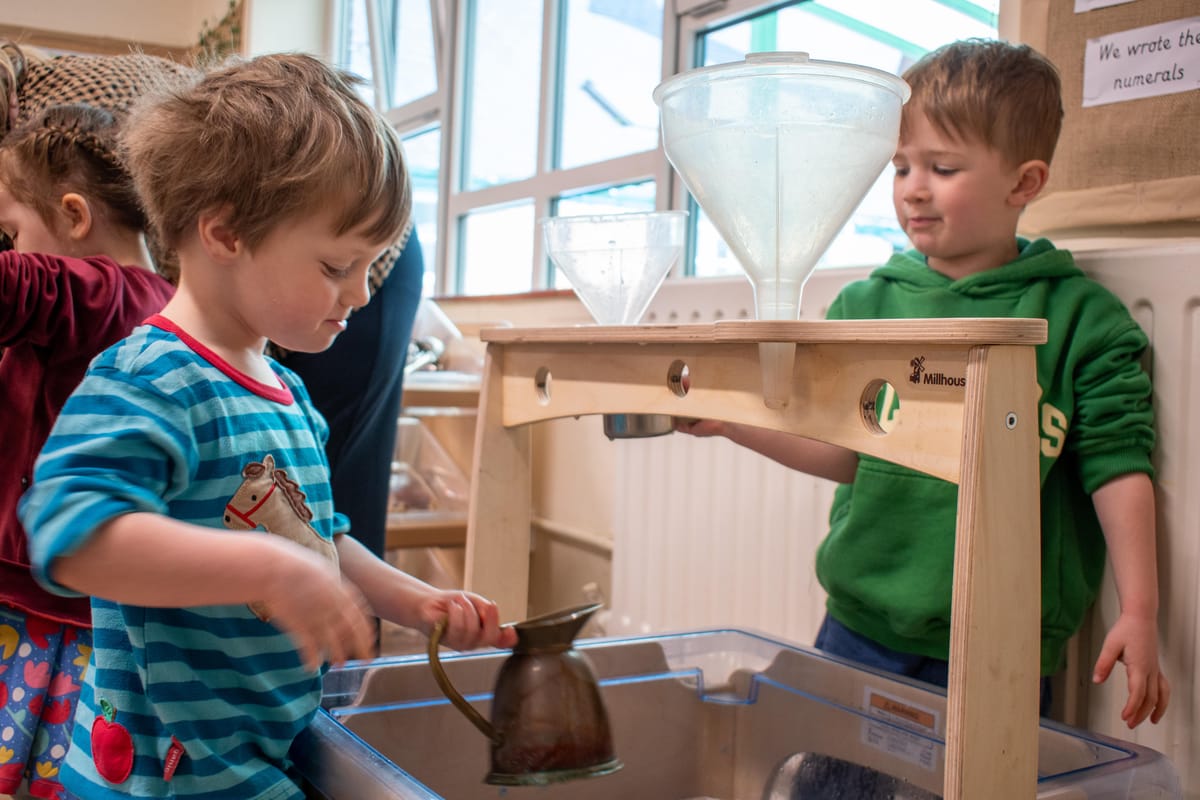
This section will cover the answers to your burning questions surrounding the topic of the impact the SBN Grant can have on your school and what outcomes you should expect!
How will this funding improve children’s learning experiences?
The School-based Nursery Capital Grant is designed to not only provide childcare places, but to also enhance the learning environment EYFS children have access to. It aims to provide children with a safe, stimulating and well-resourced space to learn and play.
Tip for schools: When applying for the grant, make sure to highlight the educational impact your school-based nursery will have on its children. Show how your project will directly benefit children's learning, development, and overall nursery experience.
Can better facilities support SEN or disadvantaged pupils?
Yes! The DfE is encouraging applicants to make their school-based nurseries inclusive and accessible, allowing all children to engage in beneficial learning. This phase in particular is pushing a focus on children from deprived areas, meaning applicants have a great chance of success if their facility can assist disadvantaged children.
Tips for schools: Highlight in your application how your project will support inclusion and accessibility, as this strengthens your case and demonstrates the positive impact on all children, not just a select few. If your school is based in a deprived area, mention this too as the DfE are looking to boost childcare placement numbers within these areas.
Does investing in nursery provision help with Ofsted ratings?
Yes! Whilst Ofsted inspections focus on overall quality of provision, investing in your school-based nursery through the SBN Grant can positively influence inspection outcomes. Improved facilities can show inspectors an enhanced learning environment, better compliance with EYFS guidelines, staff effectiveness and inclusion and accessibility.
Tips for schools: Whilst capital improvements alone won't guarantee a higher rating, combining quality facilities with strong teaching and leadership demonstrates a clear commitment to high-quality early years provision. Highlight these improvements in your self-evaluation forms and evidence for inspectors.
What evidence do schools need to show the impact of the school-based nursery funding?
Schools are expected to demonstrate that the SBN Grant has been used effectively to improve nursery provision and children's learning experiences in a variety of ways. The Department of Education expects to see:
- Before and after photos: whether it's of a classroom or outdoor spaces, these photos showcase the physical improvements that have occurred as a result of the project.
- Records of purchases and installations: invoices, receipts and quotes all showcase the steps taken to improve the area for nursery placements.
- Observations or assessments: making notes of how children are performing in their new learning environment can showcase the effectiveness of your school-based nursery.
- Feedback from staff, parents, or children: this feedback can highlight improvements that might not be noticeable to yourself.
- Project reports: summarising objectives, implementation and measurable impact on the nursery environment in a clear and concise manner can showcase a variety of improvements.
Tips for schools: Keep a simple project impact folder from the start. In this folder, you can save images and files to support your reporting and inspections. This also helps in future funding applications.
How Pentagon Play Can Help
Now that you know everything you need to about the School-based Nursery Capital Grant, you might be wondering how Pentagon Play can help with your school-based nursery project?
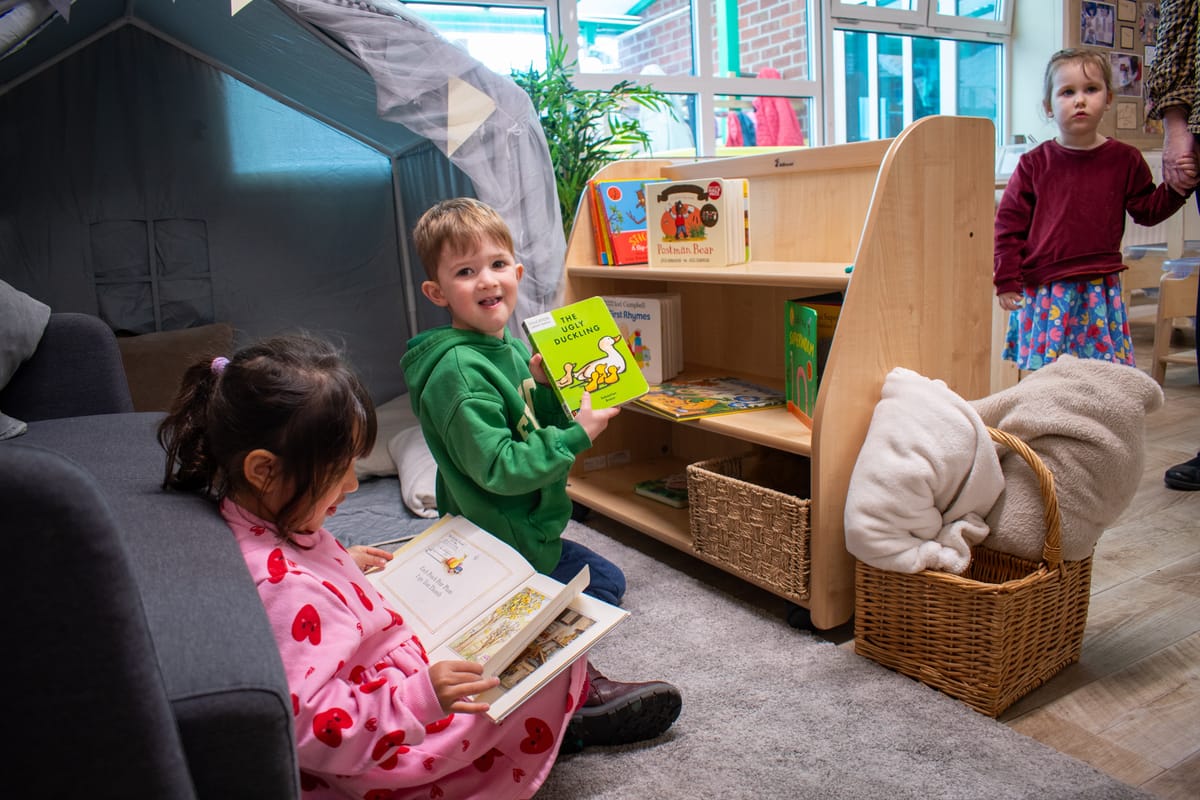
In this final section, we'll look into why Pentagon Play is the company you should use for your SBN funding and how we can ensure that your new EYFS facility is 100% compliant and effective on delivering the results the DfE expects!
Can Pentagon Play guide us through the process?
Absolutely! Pentagon Play are specialists in designing and installing engaging indoor and outdoor EYFS learning environments. By trusting us with part of your SBN fund, you can be rest assured that you will receive support throughout the entire process, including:
- Free consultations: we'll carry out an outdoor or indoor site visit for completely free to see what can be done with your space to meet the objectives laid out by the Department of Education. If you want a visit to both your indoor and outdoor space, our team will be more than happier to accommodate! No matter what you decide, our EYFS experts will listen closely and work with you to generate a variety of exciting ideas!
- Project planning and budgeting: our experts will sit down with you and help you create a realistic, compliant plan that maximises your funding, whilst maintaining our commitment to supplying only the highest-quality equipment!
- Design expertise: we don't just install EYFS furniture and equipment, but we have had the pleasure of designing some of the most vibrant and engaging EYFS settings in England! Our dedicated designers will work tirelessly to create a bespoke outdoor/indoor design that meets EYFS, accessibility and safety standards. Not only that, but we'll also generate stunning 3D visualisations that showcase how your new school-based nursery will look!
- Experience with phase one and two: we've helped hundreds of schools over the last few years plan their dream school-based nursery within the limiting confines of the ruleset laid out by the DfE. With this year offering more freedom than ever, our teams are excited to bring exciting and new ideas to schools all across England.
- Installation: we've had the pleasure of working in over 15,000 unique locations, bringing classrooms and playgrounds to life! Our installation teams have an unmatched level of experience within the industry and will always go the extra mile to ensure that all of our projects are completed within a timely manner.
- Aftercare: Once our work is done, it doesn't mean our relationship has to end! You'll have access to a fantastic aftercare team who will always be on hand to provide suggestions and recommendations on how to get the most from your new equipment.
Do you provide bespoke designs that fit our budget?
Yes! For both indoor and outdoor designs, Pentagon Play's out-of-this-world consultants will sit down with you and work tireless to bring your vibrant and unique ideas to life, whilst ensuring that the design remains compliant with the DfE's guidelines.
Alongside this, our in-house visualisation team will create stunning 3D graphics that will showcase the proposed changes before the first piece of equipment hits the floor! These visualisations are a fantastic resource for supporting evidence during the application process, as the DfE can see the impact of your new school-based nursery before it's even installed!
How fast can projects be delivered once the SBN Grant is approved?
When you notify Pentagon Play of your success on gaining the SBN Grant, our team will look at booking you in as soon as possible. Currently, our lead times are around 4-6 weeks, but this really depends on capacity and the amount of work required for your project!
Do you offer ongoing maintenance or inspections?
We do! Pentagon Play's RPII-accredited inspections and maintenance service is a fantastic add-on for your brand new EYFS play area! Our inspectors work tirelessly to ensure that your playground is up to scratch, following relevant EN-71 standards and performing maintenance on any Pentagon Play equipment on the same day to ensure safety!
Conclusion
That's certainly a lot of information to digest, isn't it! Please don't be worried if you feel overwhelmed by the amount of information presented to you, as experienced suppliers who have done previous work on the School-based Nursery Capital Grant (like Pentagon Play) will be able to help guide you through the entire process.
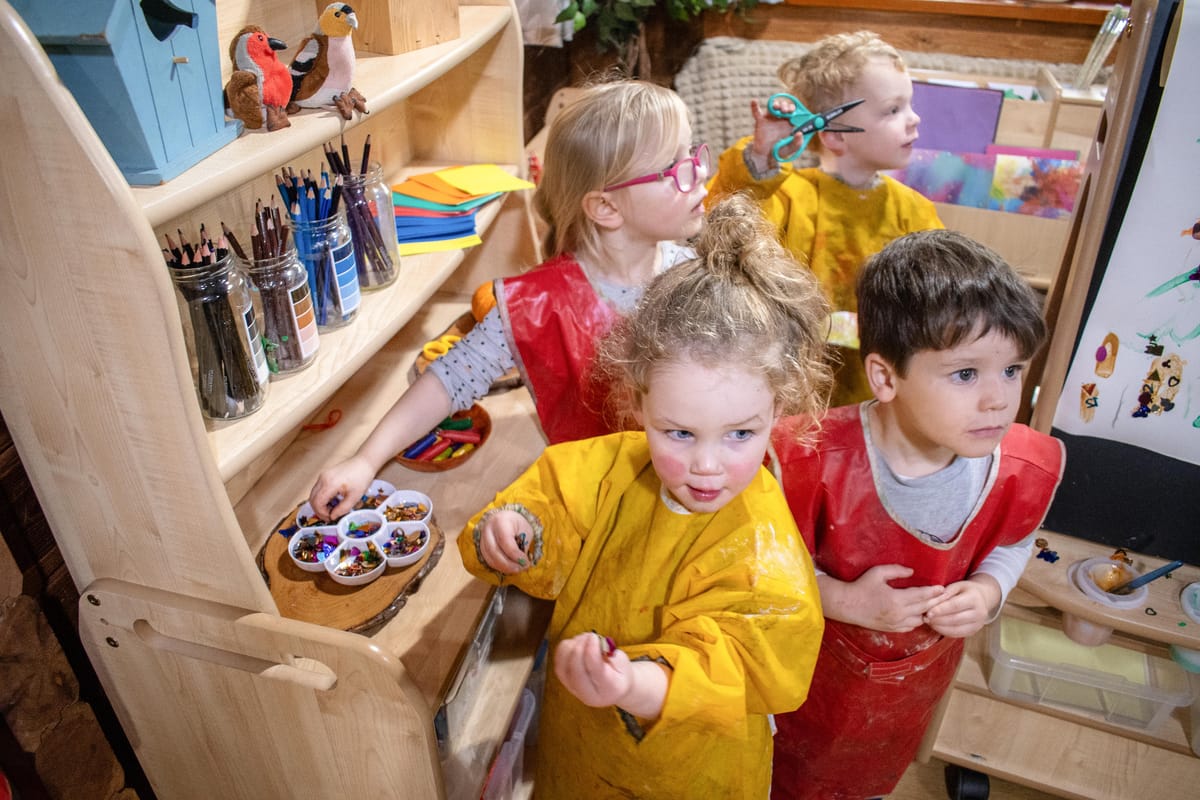
Remember, if you have any questions left unanswered, please head to the DfE's Customer Help Portal and submit your questions to them. It's important that before you make any decision, you have the information you need available to you.
However, if you're ready to make your application today, then why not get your first quote to help strengthen your application? Contact us right now and see what amazing things Pentagon Play can do for your school-based nursery!