

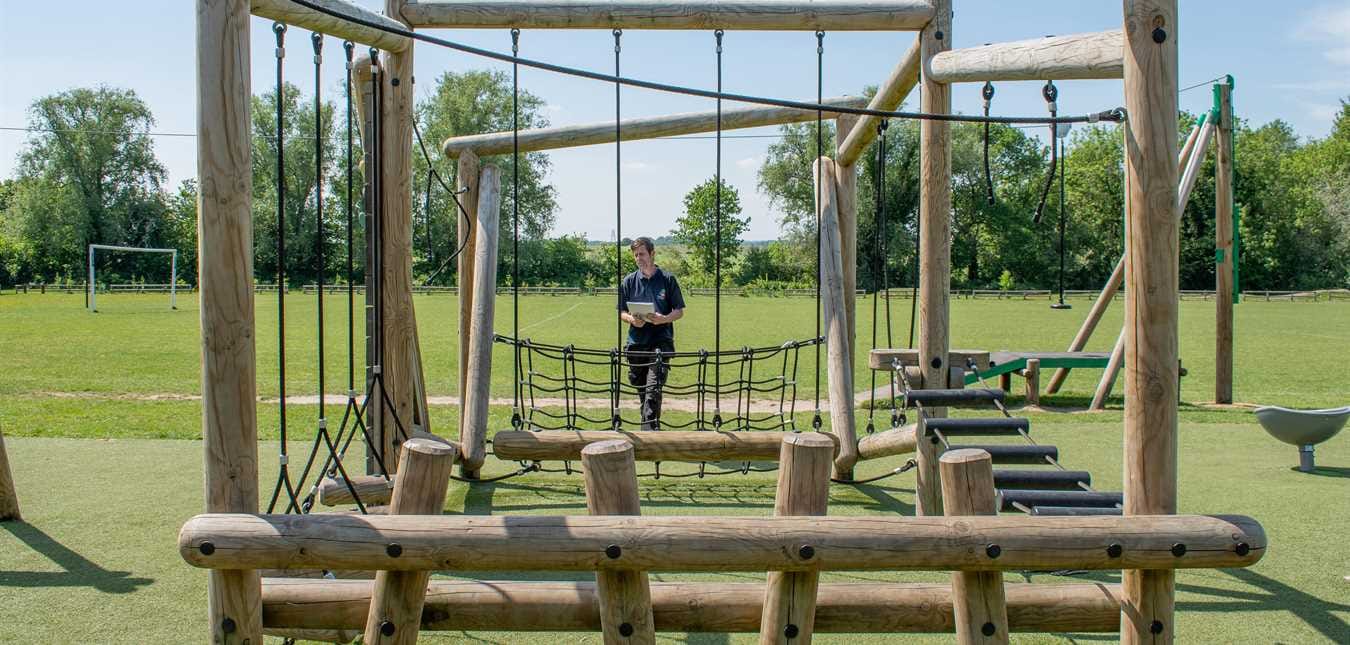
UK Playground Safety Standards: What Operators Need To Know

Playgrounds should aim to not only be a place for children to play and create treasured memories, but they should also be an area where children are safe to explore.
According to the Royal Society for the Prevention of Accidents (RoSPA), around 40,000 children under age of 15 require medical attention due to injuries sustained on playgrounds every year. One of the key factors that contributes to this figure is playgrounds failing to comply to safety standards.
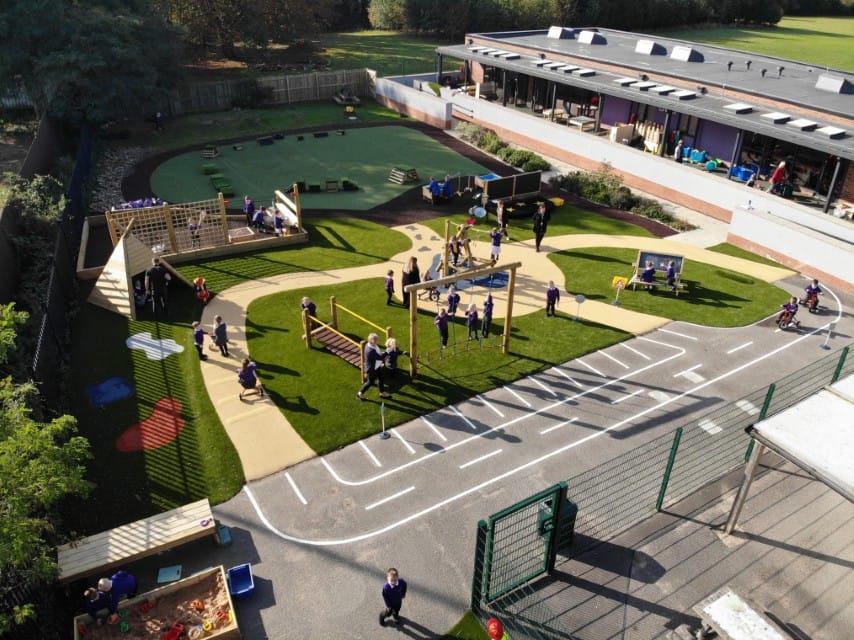
Join Pentagon Play as we take a deep delve into the world of playground safety guidelines and standards and how you can check if your playground is a safe space for kids to explore and play!
Understanding UK Playground Safety Standards and Regulations
Abiding by UK playground safety standards can feel like trying to navigate a minefield, especially if you're a school, nursery or a commercial operator with no prior experience in playground design or maintenance!
With standards being updated regularly and the legal responsibilities falling squarely on the operator's shoulders, understanding what's required from you (and whether your playground meets these specific requirements) is more important than ever.
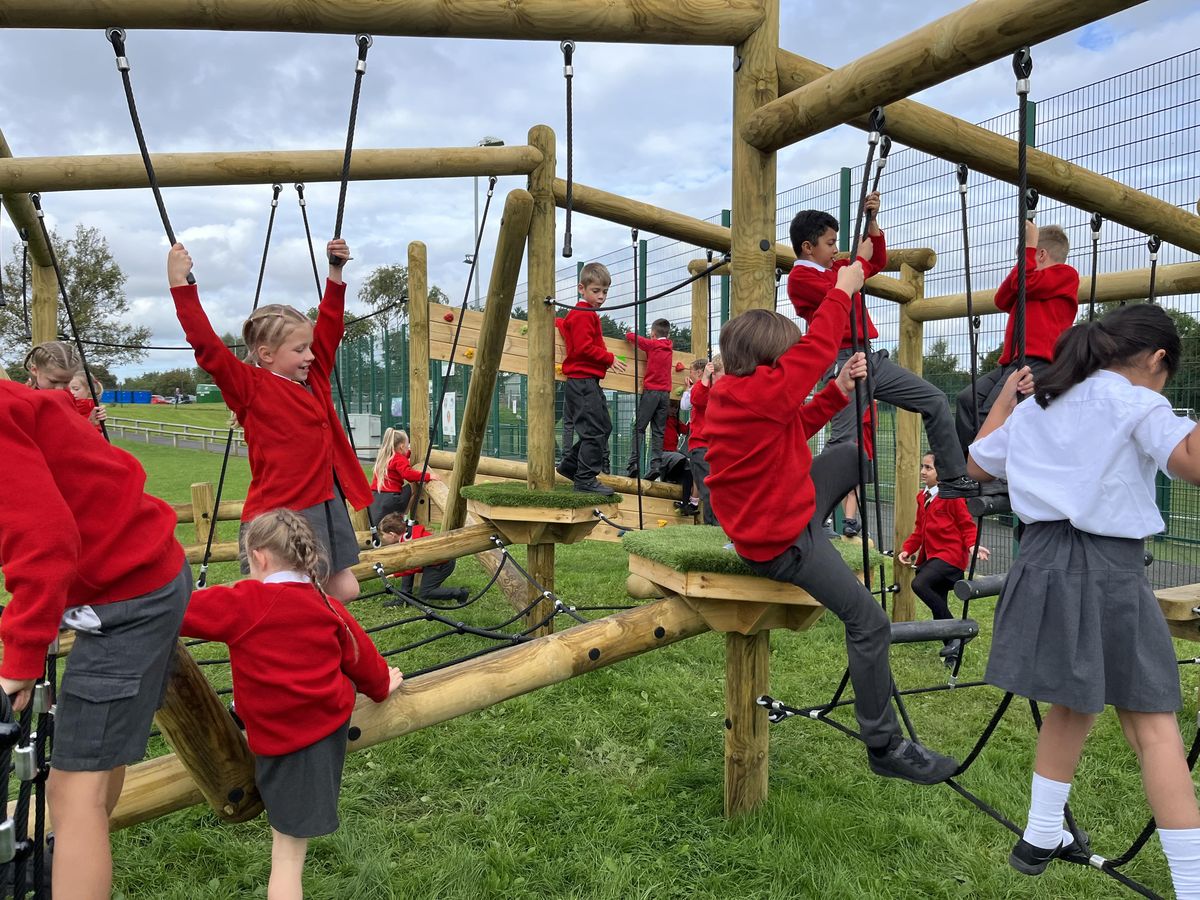
At Pentagon Play, we've had the pleasure of designing, installing and inspecting playgrounds across more than 15,000 schools, nurseries and commercial settings throughout Great Britain.
During this time, we've seen first hand the most common reasons playgrounds fall short of UK safety standards. Rarely is it down to negligence, but more often it's simply due to the fact that most operators don't know what they're looking for, or because the standards have evolved since their equipment was installed.
In the UK, every play area is governed by two key standards: BS EN 1176 (which covers play equipment) and BS EN 1177 (which covers safety surfacing). But understanding what those standards mean in practice and who is legally responsible for maintaining them is where many playground owners find themselves uncertain.
What are Playground Safety Standards?
In the UK, playground safety standards are a set of rules which are designed to keep playgrounds a safe space for children to play in.

By following these safety standards, a playground owner can minimise the chance of a serious injury occurring on their playground, which avoids:
- A harmful reputation developing
- A legal case being brought against the owner
- The amount of users reducing over time
- Being forced to redesign or remove the playground entirely
As a playground owner in the UK, it is vital that you understand the key playground safety standards that every playground is expected to abide to.
What are the Key Playground Safety Standards?
If you're a playground owner in the UK, it's important that your play area abides to the EN 1176 and EN 1177 standards. It is a legal and moral responsibility of a playground owner to ensure that their play area follows these standards.
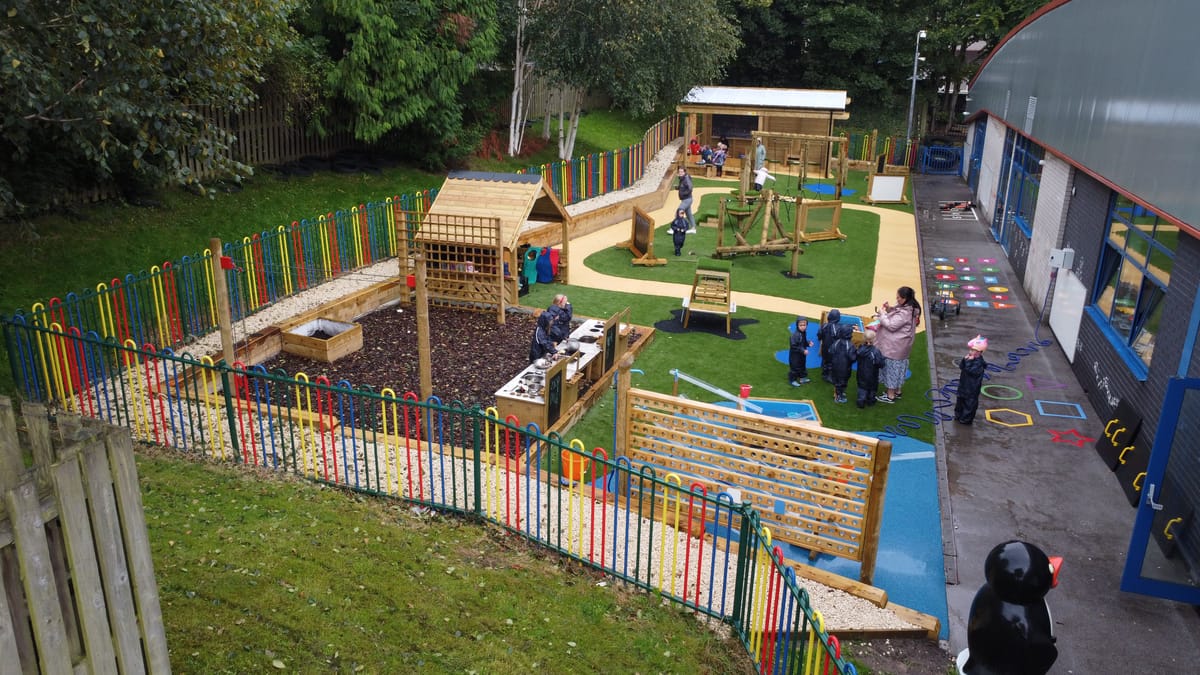
Both of these standards aim to make playgrounds as safe as possible, but they each focus on a different aspect of the playground.
BS EN 1176
BS EN 1176 is a set of standards that focuses on making playground equipment safer for children to use. It focuses on every aspect of a piece of play equipment, ranging from the design and manufacturing of the equipment to the installation and maintenance carried out on the play equipment.
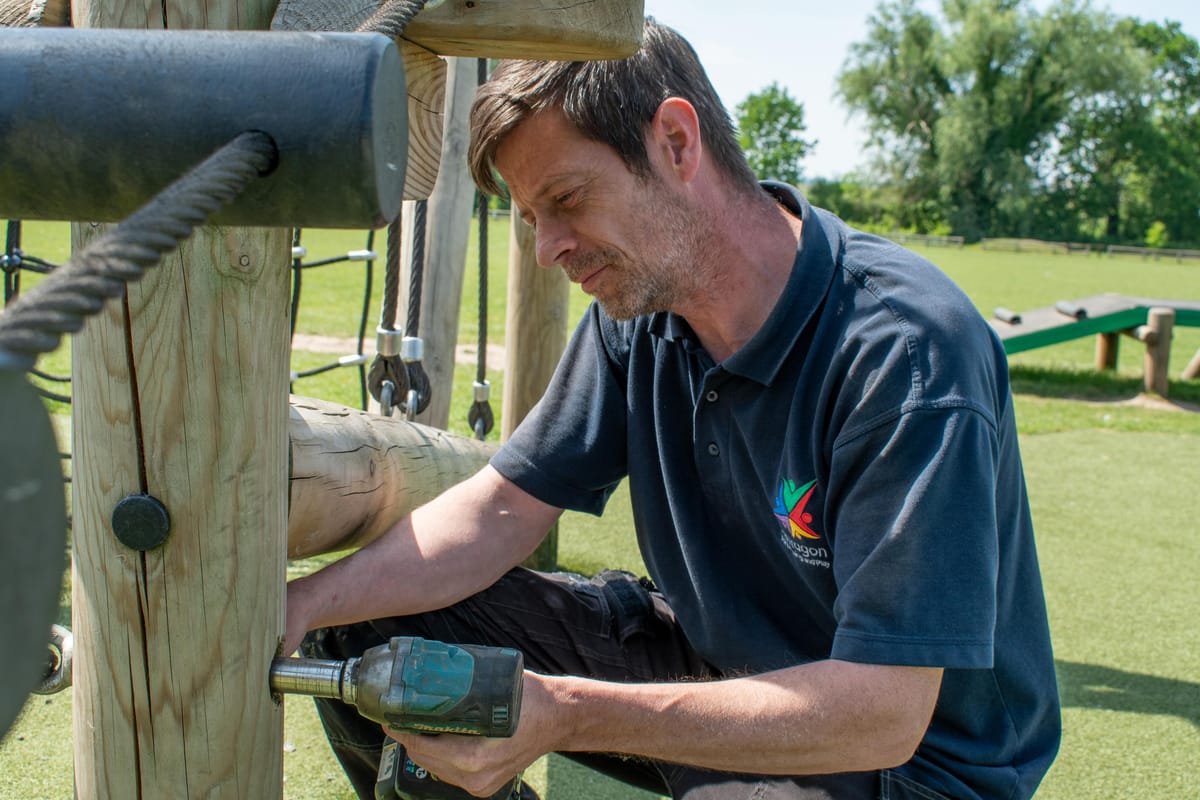
It's important to note that BS EN 1176 changes regularly, introducing new rules or updating old standards to reflect the modern definition of a safe playground. This means that even if your playground was following safety standards last time you checked, such as BS 5696 or DIN 7926, it could still be classified as dangerous as the rules are always changing.
Focusing primarily on playground equipment, it's important to know that any playground equipment supplier that you are working with is following BS EN 1176 standards. However, once the equipment is installed on your playground, it becomes your responsibility to make sure that the equipment remains in a safe condition.
BS EN 1177
BS EN 1177 is a set of standards that focuses primarily on the safety surfacing your play area is using. Using statistical data from head injuries, the standards of BS EN 1177 revolve around the depth and quality of your safety surfacing.
As a playground owner, you've probably heard the term 'critical fall height' (more commonly abbreviated to CFH) being thrown around. BS EN 1177 is responsible for dictating what depth of safety surfacing is required depending on the fall height of a piece of equipment.
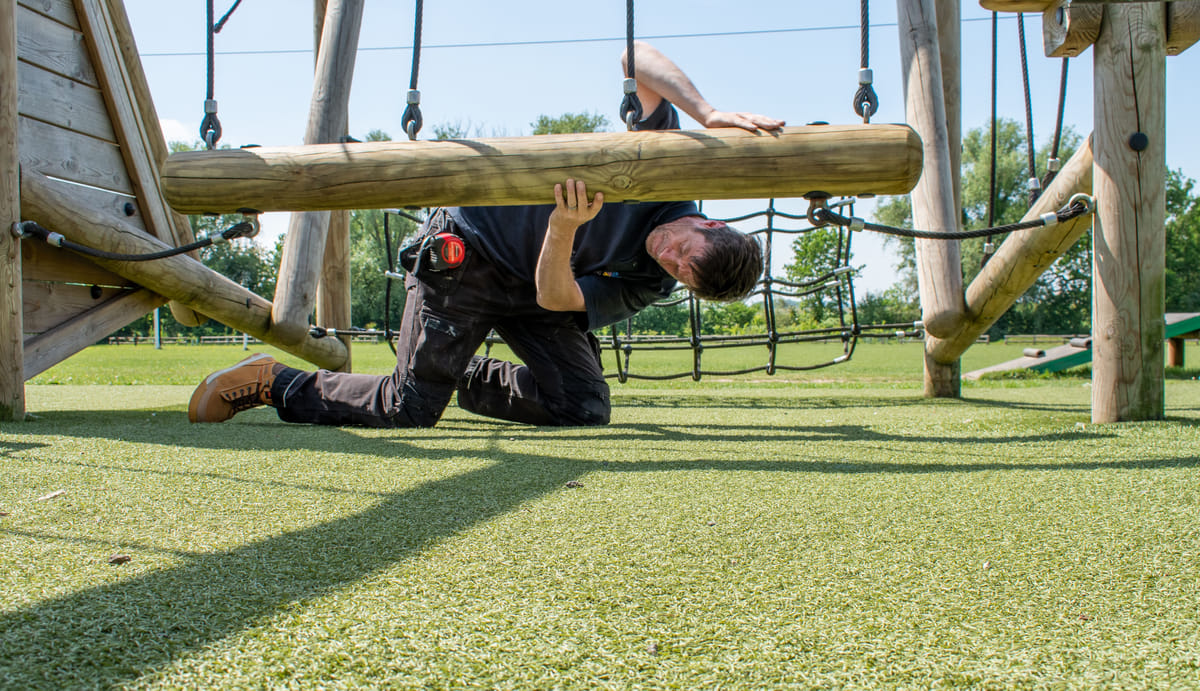
Not only is depth a key factor to BS EN 1177, but so is the quality of the safety surfacing. Safety surfacing should be kept in great condition to avoid any impact absorbing features or drainage systems from deteriorating. Having a well maintained surface means that children are less likely to suffer a serious injury if they fall on your safety surface.
Before you purchase any safety surfacing, make sure that your chosen surfacing installer is following BS EN 1177 standards to a tee to avoid breaking any safety standards in the future. Resurfacing can be extremely pricey, so make sure you choose a trusted supplier.
Who is Legally Responsible for Playground Safety in the UK?
When it comes to playground safety, the legal responsibility doesn't sit with one single person/group. However, as the owner/operator of the space, the primary duty of care rests with you!
Whether you're a school, nursery, local council, academy trust or a private site manager responsible for a playground, if you control the land and the equipment, you are responsible for maintaining a safe play environment for the children using it. This responsibility is highlighted in three key pieces of legislation:
- The Health and Safety at Work Act 1974 places a duty on occupiers and operators to keep users of their site reasonably safe. For playground operators, this means having systems in place to identify and address hazards before they cause harm.
- The Management of Health and Safety at Work Regulations 1999 requires employers and site managers to carry out suitable and sufficient risk assessments, implement control measures, and ensure staff are appropriately trained to identify potential safety issues.
- The Occupiers' Liability Acts 1957 and 1984 place a duty of care on those who control a premises towards anyone who visits it, including children who may not fully appreciate the risks involved in using playground equipment.
It's important to note that responsibility can extend beyond yourself in certain circumstances. Manufacturers and supplier may be liable under the Consumer Protection Act 1987 if equipment is found to be defective!
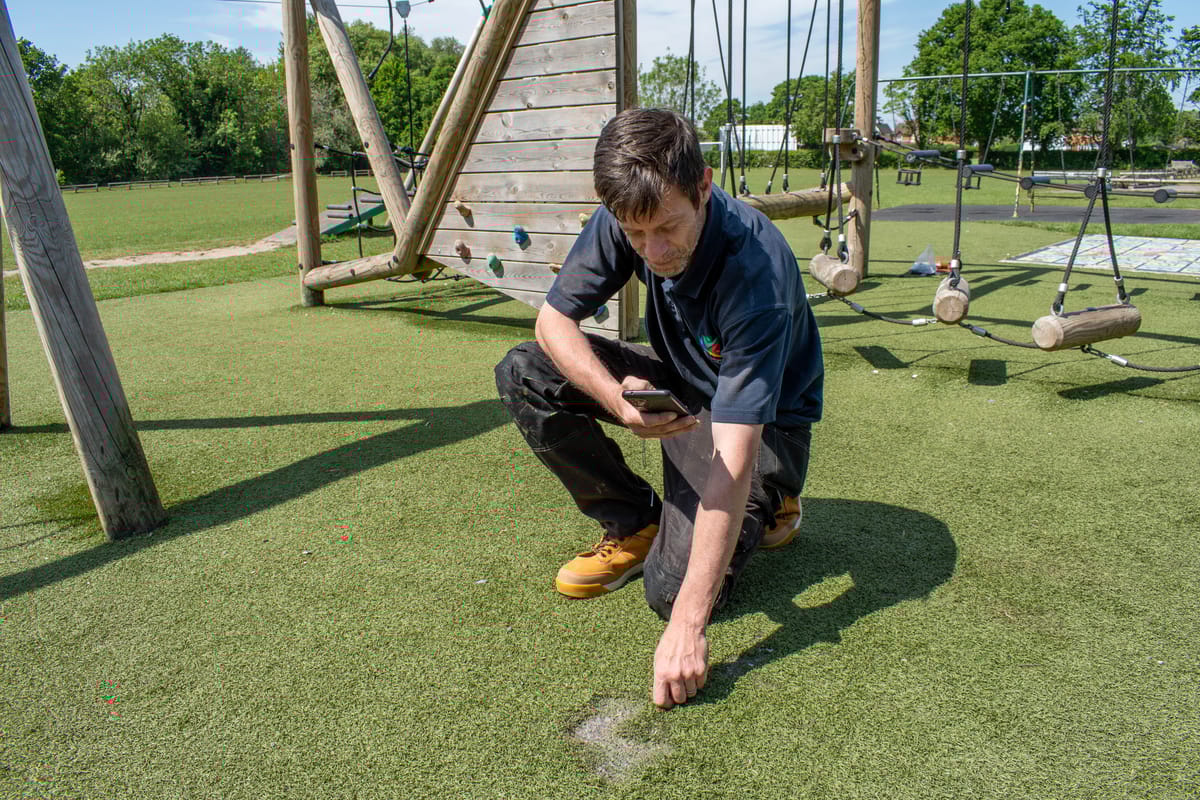
However, and this is the critical point, you cannot simply pass responsibility to a third party and consider your duty discharged. The law expects a reasonable, ongoing system of risk assessment, inspection, maintenance, and supervision. Putting up a "use at your own risk" sign, for example, offers no legal protection whatsoever.
In practice, this means the burden falls on you to demonstrate that your playground is being actively managed to a safe standard. Not just at the point of installation, but continuously throughout its lifetime.
Using a play equipment supplier who understands safety standards for play equipment and safety surfacing (such as Pentagon Play) can take a lot of stress off you, as you can rest easy knowing the equipment has been designed and built with safety in mind!
What Happens if you don't abide by Playground Safety Standards and the Law?
Failing to meet playground safety standards isn't just a technical oversight, but it can have serious and lasting consequences for your organisation, your reputation, and most importantly, the children in your care!
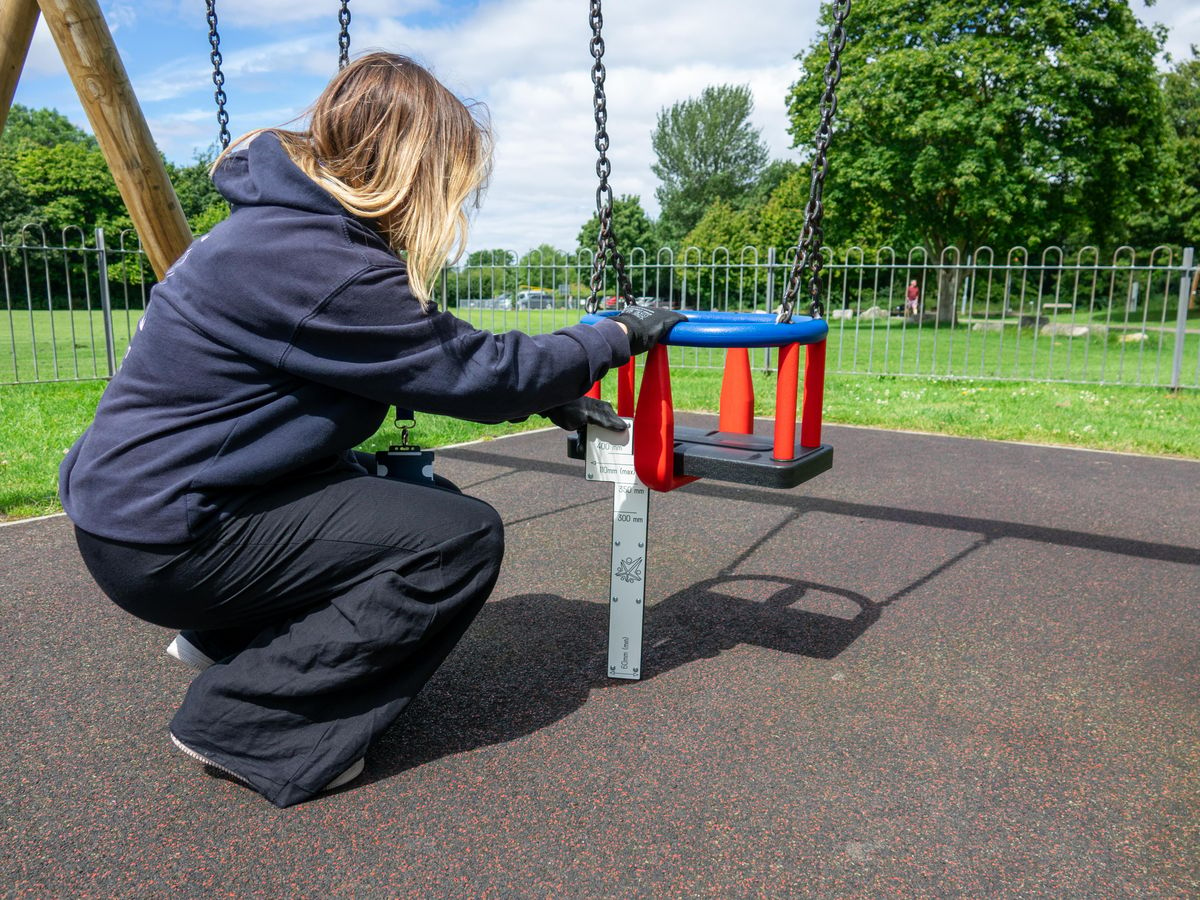
Safety is paramount, and if operators fail in designing safe play spaces, they could face a variety of serious consequences.
Personal Injury Claims
If a child is injured as a result of poorly maintained equipment, inadequate surfacing, or insufficient supervision, the operator can face a personal injury claim.
With around 40,000 children requiring medical attention due to playground injuries every year, the risk of a claim being brought against an operator who cannot demonstrate compliance is very real. The burden of proof will fall on you to show that reasonable steps were taken to reduce the risk of of injuries and maintain a safe environment.
Enforcement Action
Regulators have the power to require changes, improvements, or the removal of unsafe equipment where a site is found to be clearly non-compliant.
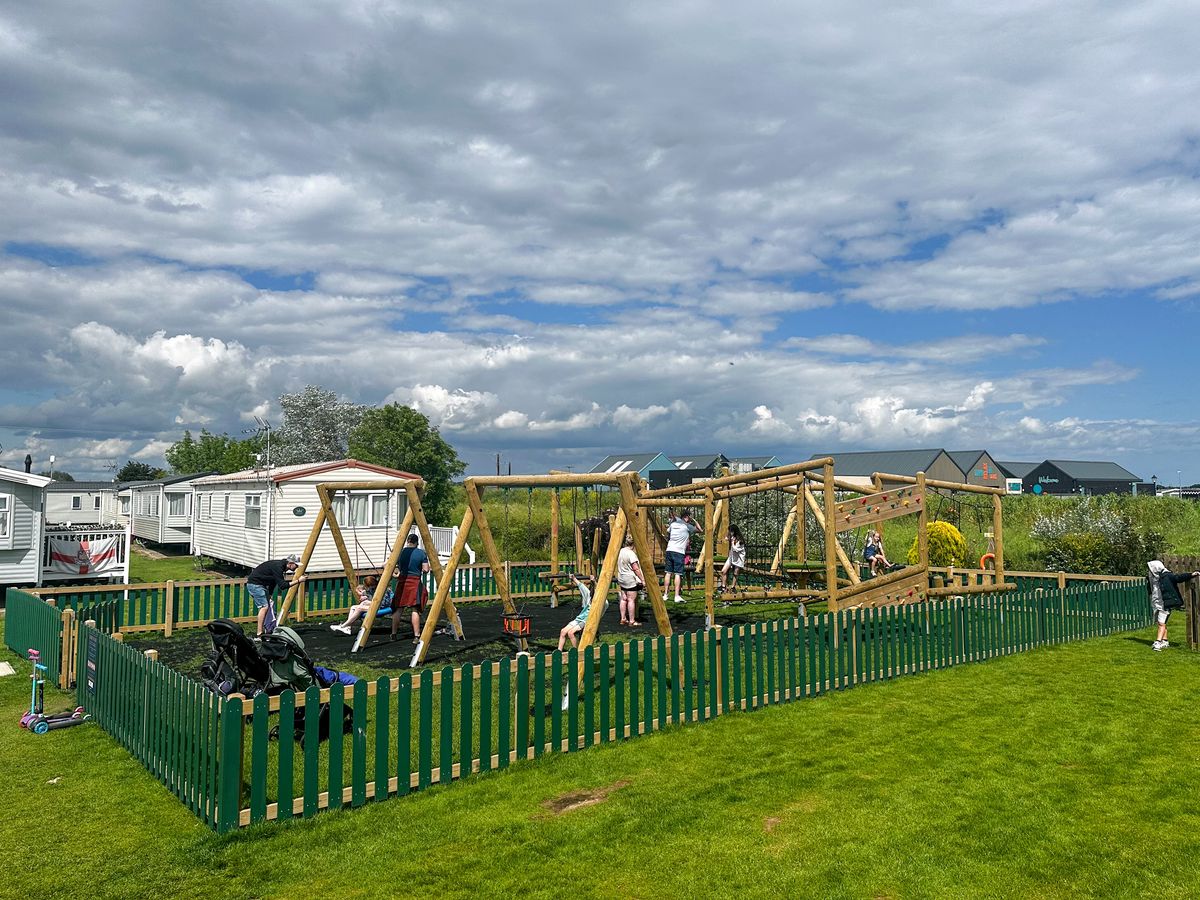
This can mean equipment being taken out of use at short notice, leaving children without access to their playground while costly remedial work is carried out.
Fines and Prosecution
Serious breaches of health and safety duties can result in prosecution and significant financial penalties. Where a regulator determines that an operator has fundamentally failed in their duty of care (particularly where that failure has resulted in injury) the consequences can extend well beyond a fine. This is why it is vital that your play equipment complies with EN1176, as following this standard can protect you from this outcome.
Insurance Problems
Non-compliance can undermine your insurance cover or make claims significantly harder to defend. If an incident occurs and an investigation reveals that inspections weren't being carried out or records weren't being kept, your insurer may dispute liability, leaving your organisation exposed and facing hefty costs.
Closure or Costly Redesign
A playground that is found to be seriously unsafe may face partial or full closure until the issues are resolved.
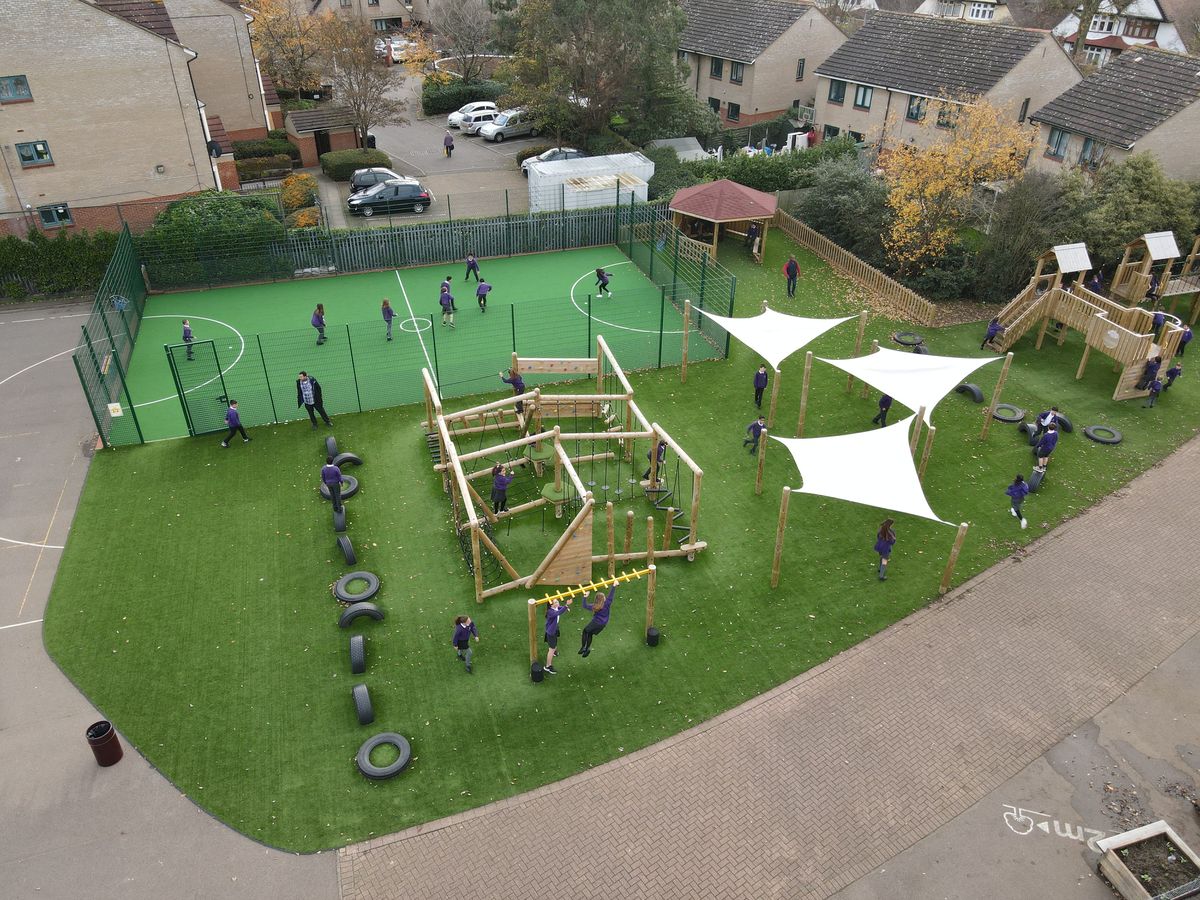
In some cases, equipment may need to be removed and replaced entirely, which represents a far greater cost than the routine inspections and maintenance that could have prevented the problem.
Reputational Damage
For schools, nurseries, and councils in particular, the reputational consequences of a playground safety failure can be long-lasting. Parents and carers entrust you with the safety of their children, and a high-profile incident or enforcement action can seriously damage the confidence of your community, or even worse, lead to national press attention (which has happened before to some unsafe playgrounds).
It's important to understand that UK guidance does recognise the value of managed risk in play. Children will be children and are expected to climb, explore, and occasionally fall.
But that same guidance makes clear that operators are not protected simply because accidents can happen. The expectation is that you have carried out sensible risk assessments, maintained your equipment and surfacing to a reasonable standard, and (critically) that you can produce records to demonstrate this if you are ever challenged.
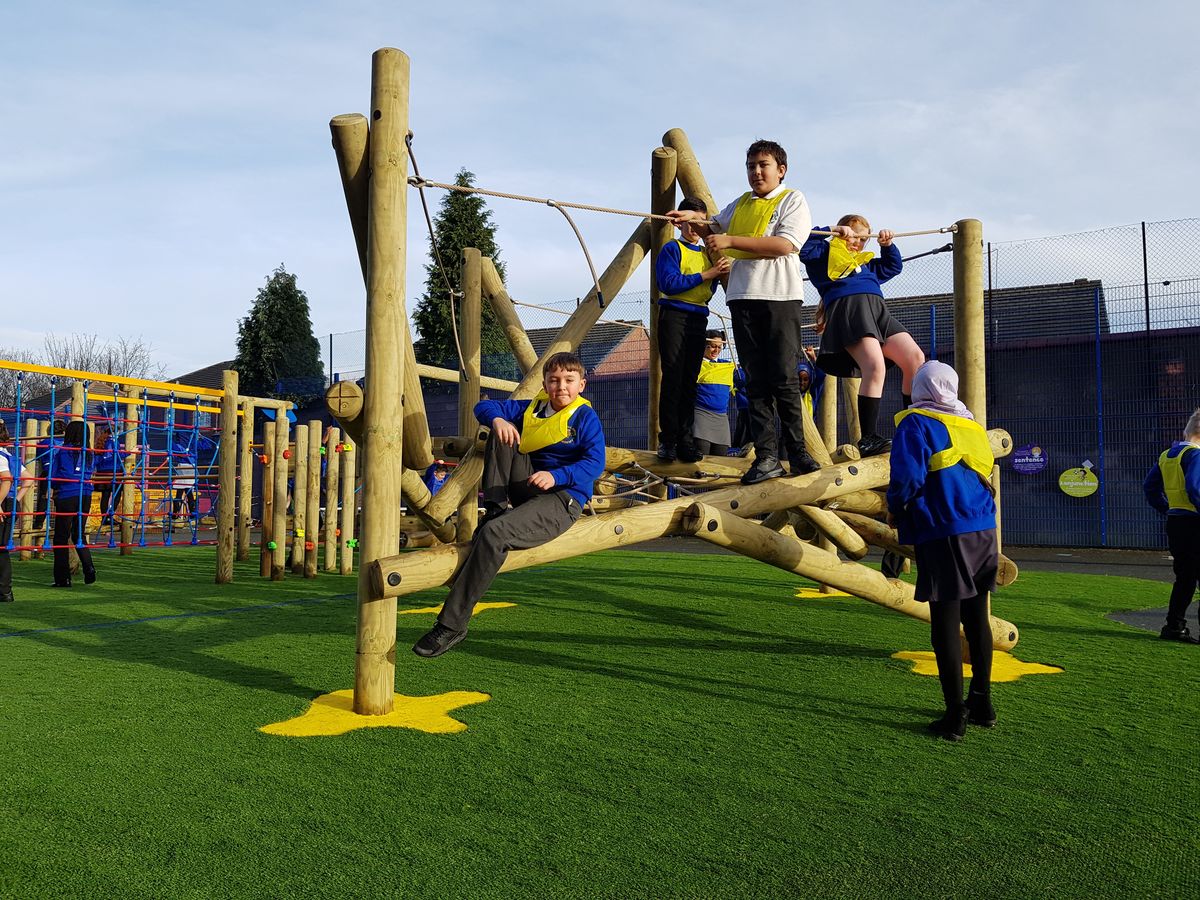
That last point is one that many operators overlook. It isn't enough to simply carry out inspections; you need documented evidence that they took place, what was found, and what action was taken as a result. Well-reputed playground inspectors (like Pentagon Play) can offer comprehensive reports, which are perfect for keeping for this very reason.
How do I Know if my Playground is Meeting Safety Standards?
There's a few steps you can take to ensure that your playground is meeting EN 1176 and EN 1177 standards effectively. These include:
- Ensuring that your playground surfacing/equipment supplier is following safety standards
- Perform routine risk assessments and inspections to identify potential breaches of standards
- Perform regular maintenance to ensure you equipment/surfacing is working effectively
- Familiarise yourself with BS EN 1176 and 1177
By following this simple list, you can already make your playground environment a lot safer for your little adventurers. However, most of these factors can be extremely time-consuming and difficult to execute yourself.
How Often Should a Playground Be Inspected?
One of the most common misconceptions among playground operators is that having equipment professionally installed is enough to fulfil their duty of care. In reality, ongoing inspection is just as important as the initial installation, with BS EN 1176, the HSE, and RoSPA all recommending a structured, three-tier inspection programme to keep playgrounds safe and compliant throughout their lifetime!
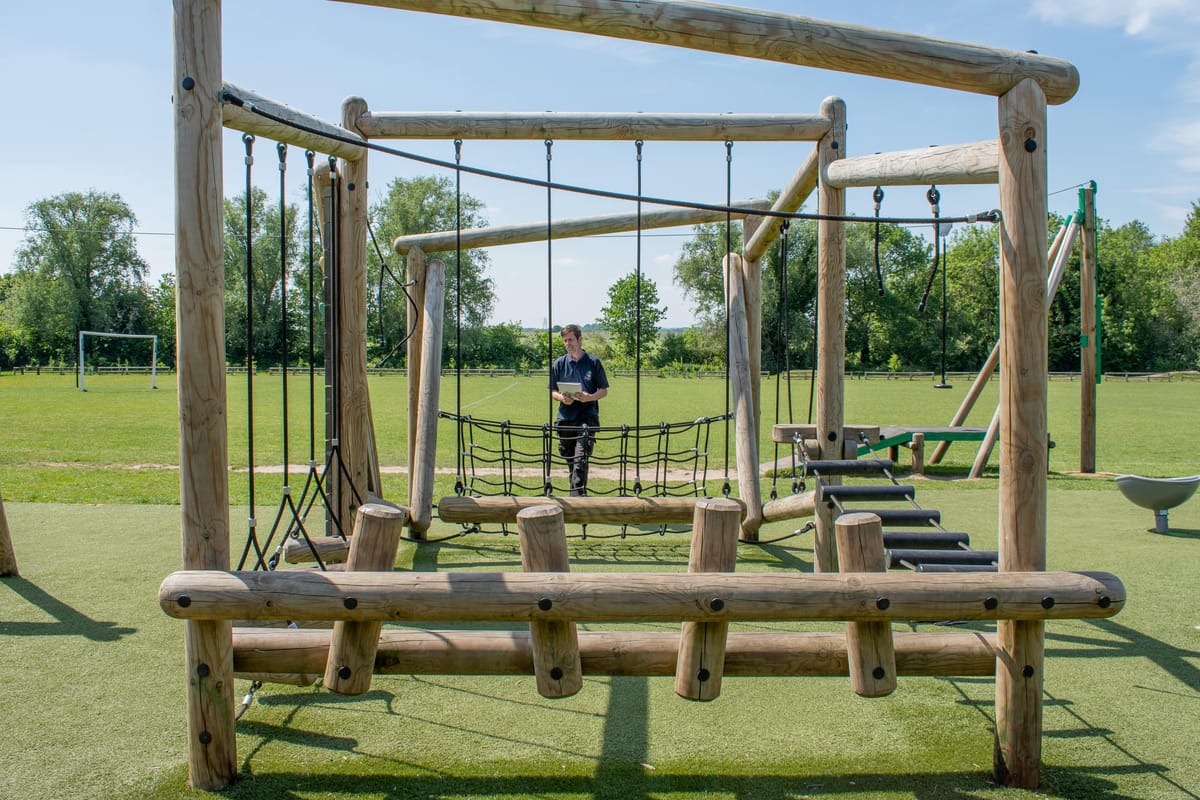
There is no specific legal requirement to carry out a defined inspection programme, but such procedures are strongly recommended by the Health and Safety Executive, the British Standards Institute, insurers, courts and RoSPA. In practice, failing to have a documented inspection programme in place significantly weakens your position if an incident occurs and a claim is brought against you.
The three tiers work like this:
Tier 1 — Routine visual inspections (daily or weekly)
Routine visual inspections look at the equipment's basic condition, particularly faults due to recent vandalism or extreme weather conditions. They may be carried out by the manager or their staff and should be recorded.
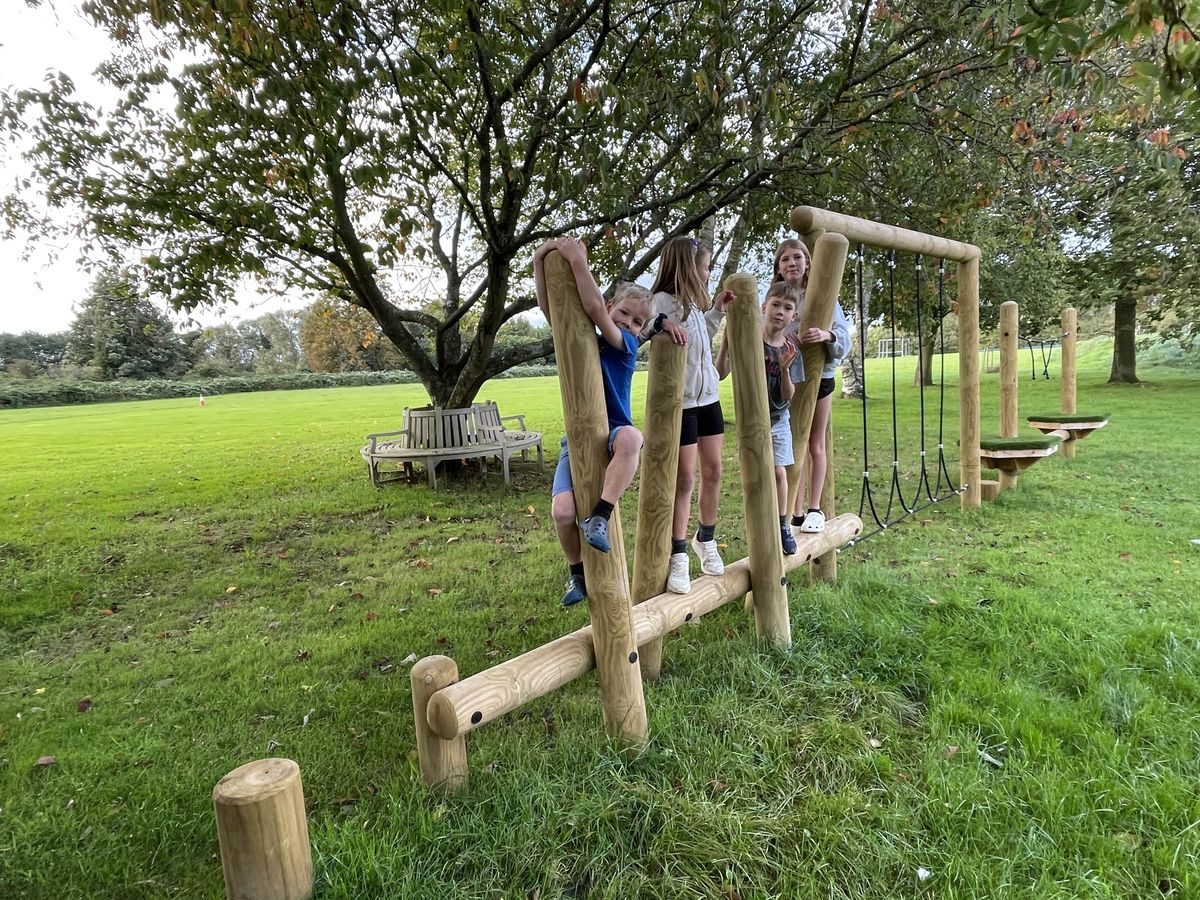
These checks are the operator's responsibility and should be carried out by a designated member of staff, which is typically a site manager, caretaker, or senior member of the playground team. They don't require specialist qualifications, but the person carrying them out should know what they're looking for and should record their findings every time. A signed, dated log is your evidence that checks are happening consistently.
Tier 2 — Operational inspections (every one to three months)
Operational inspections are more in-depth and hands-on than routine visual checks, covering all play and ancillary equipment across the site on a monthly or quarterly basis. These checks ensure the steadiness and safety of play items, gates, fencing, furniture, and safety surfacing, which includes ensuring all fixings are tight and secure, equipment is free from damage, and checking for wear, corrosion, rust, and rot.
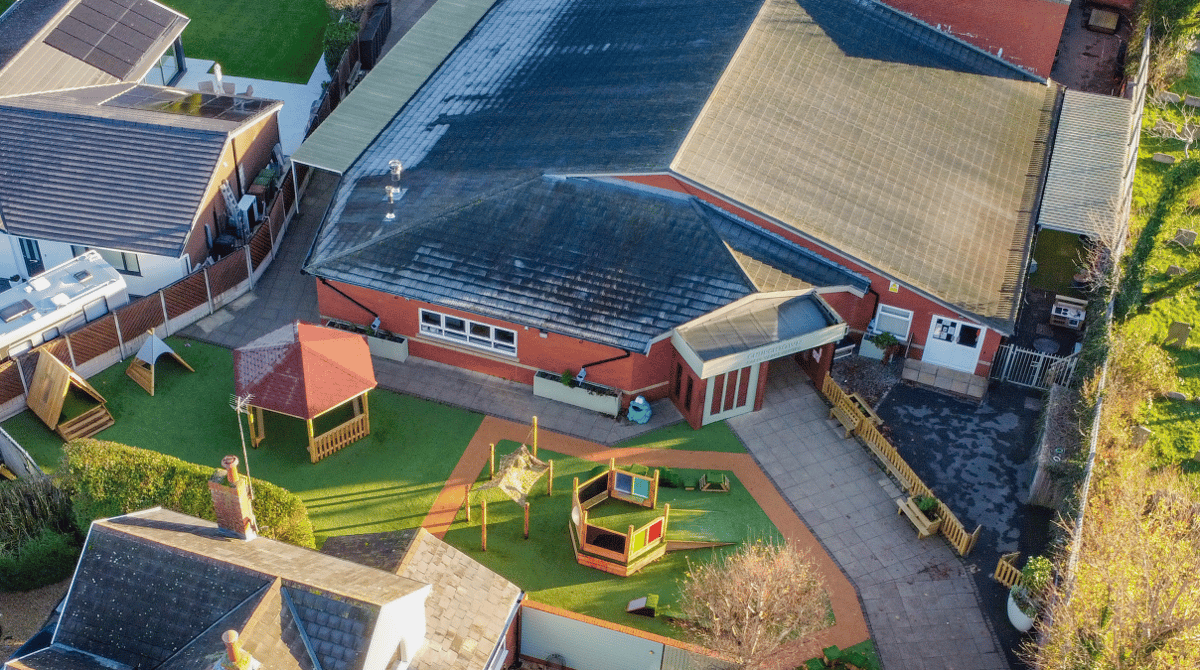
This is where Pentagon Play's operational inspection service comes in. Rather than relying on in-house staff who may not have the training to identify subtler signs of wear or structural deterioration, an operational inspection carried out by Pentagon's qualified team provides a thorough written report covering all equipment and surfacing on site; giving you documented evidence of compliance and a clear action plan for any issues identified.
A bonus of this service is that if any of the equipment was purchased through Pentagon Play, we will carry out minor repairs and adjustments on the same day, saving you money and time!
Tier 3 — Annual inspection by a qualified RPII inspector
BS EN 1176 and the HSE recommend that all playgrounds in the UK undergo at least one annual inspection by an independent and suitably qualified inspector, such as those certified by RoSPA or the RPII. The annual inspection should be carried out by a specialist not connected with the playground operator or manager, covering vandalism, minor and major wear, long-term structural problems, changes in standard compliance and design practice, and risk assessment.
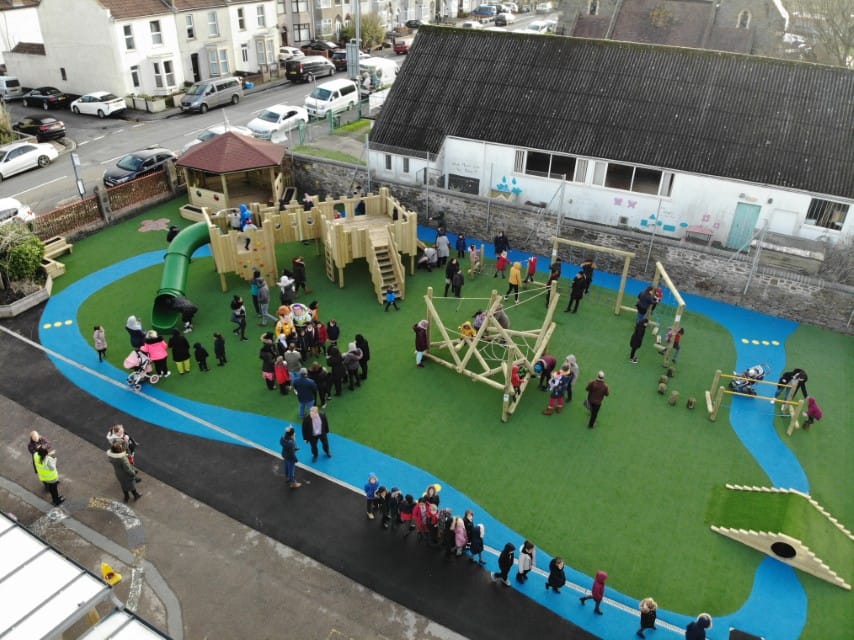
Pentagon Play's annual inspection service is carried out by RPII-accredited inspectors who are fully independent of the operator. At the end of every inspection you'll receive a clear, easy-to-read report detailing all findings, any areas of concern, risk ratings, and recommended remedial actions, giving you the documented evidence you need to demonstrate compliance if you are ever challenged.
The importance of keeping records
Whichever tier of inspection is being carried out, documentation is everything. RoSPA recommends that all inspections (including routine weekly visual checks) are recorded. A verbal agreement that checks are happening, or a general assumption that the site is safe, offers no protection if an incident leads to a legal claim. Written, dated records of every inspection, what was found, and what action was taken as a result are the foundation of a defensible compliance position.
It's also important to note that seasons can impact inspection frequency, with Winter and Summer requiring more attention. For more information, make sure to read our seasonal inspections blog.
Check for Common Playground Hazards
Knowing what to look for is the first step in keeping your playground safe between professional inspections. While an RPII-accredited inspector will identify issues that require a trained eye, there are common hazards that operators and site managers can watch for during routine daily and weekly checks.
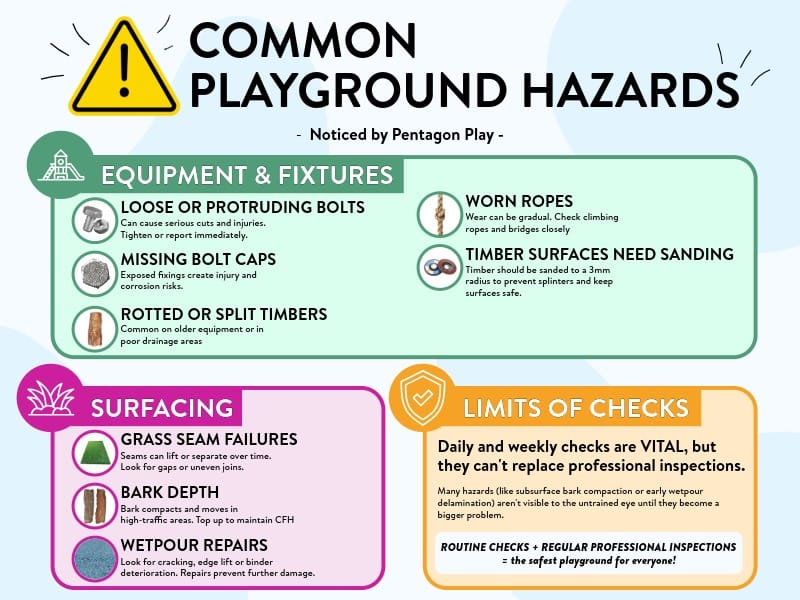
In this blog, we're only going to give you a brief overview of the common hazards. However, we would recommend reading our top 10 most common playground maintenance problems for a better picture on how these hazards can occur and cause problems.
Based on findings from Pentagon Play's own inspection team (who carry out operational and annual inspections across schools, nurseries, and commercial playgrounds throughout the UK) these are the most frequently identified issues:
Equipment and fixtures
Some of the most common findings during operational inspections are also some of the easiest to overlook during a quick visual walkover. Loose bolts and protruding bolts are among the most frequently flagged issues. A bolt that has worked itself loose over time, or one that protrudes beyond its fitting, can cause serious cuts and injuries and should be addressed immediately. Missing caps on bolt ends are similarly common and equally important to catch early, as exposed fixings create both injury and corrosion risks.
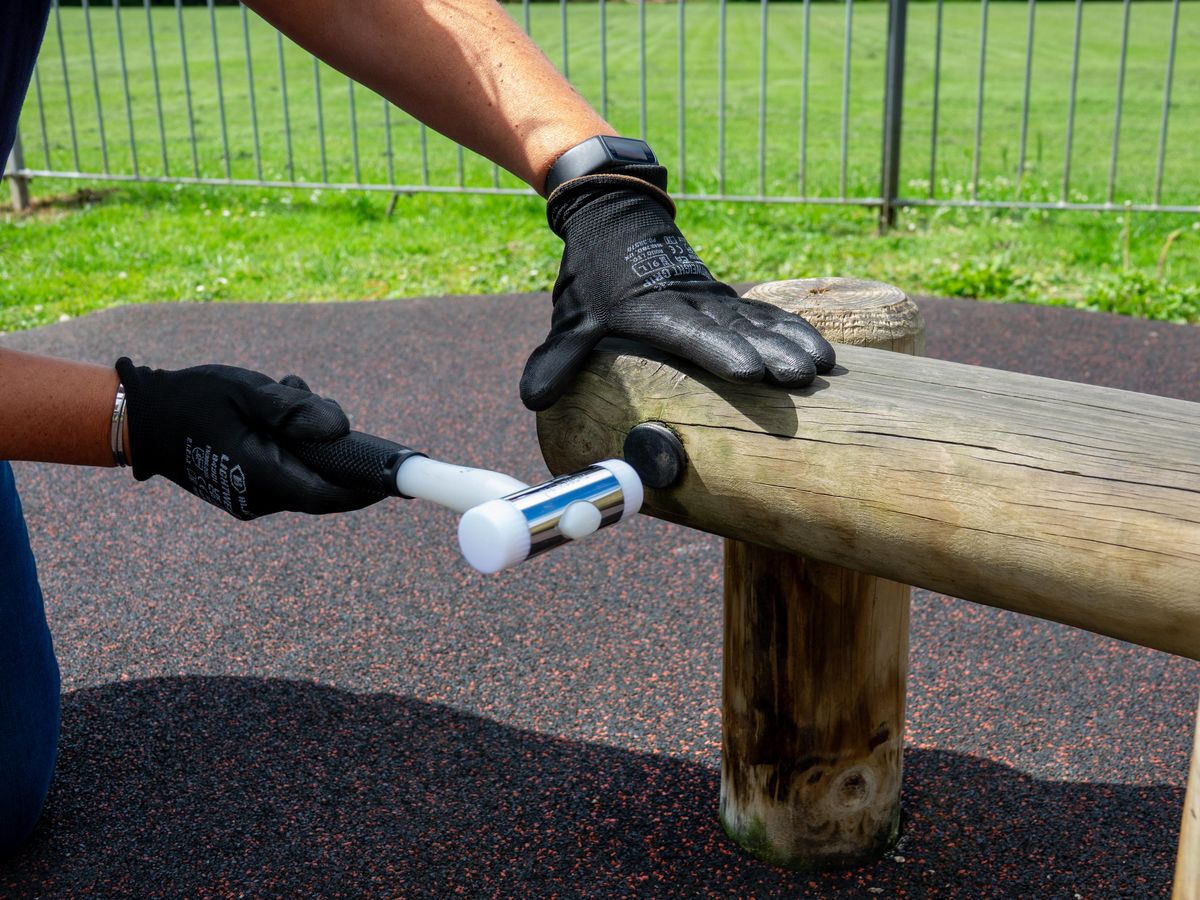
Timber components also require close attention. Rotted or split timbers are a regular finding during Pentagon's inspections (particularly on older equipment or in areas with poor drainage) and represent a structural risk that needs prompt replacement rather than monitoring. Worn ropes are another commonly identified issue, especially on climbing frames and rope bridges where wear can be gradual and not immediately obvious until the rope's integrity is genuinely compromised.
Pentagon's inspectors are also trained to identify the need for sanding to a 3mm radius on timber surfaces. This is something that may not be visible to the untrained eye but is important for preventing splinters and ensuring surfaces remain safe to touch.
Surfacing
Surfacing issues are among the most common findings across all playground types, and also among the most commonly missed by operators carrying out their own routine checks. This is particularly true when the problem is beneath the surface rather than visible from above.
Grass seam failures and areas requiring patch repairs are frequently identified during operational inspections, particularly on artificial grass installations where seams can lift or separate over time.
Bark depth is another regular finding. In high-traffic areas such as under swings and at the base of slides, bark compacts and migrates quickly, and topping up is needed more frequently than many operators expect to maintain the required critical fall height. Wetpour repairs are also commonly required, particularly where cracking, edge lift, or binder deterioration has allowed the surface to degrade in localised areas.
The limits of routine checks
It's worth being honest about what routine visual checks can and can't achieve. Daily and weekly checks by site staff are an essential first line of defence and should always be recorded, but they are not a substitute for a professional operational or annual inspection.
Many of the issues Pentagon's inspectors identify regularly, from subtle timber deterioration to subsurface bark compaction to early-stage wetpour delamination, simply aren't visible to the untrained eye until they've become a more serious problem.
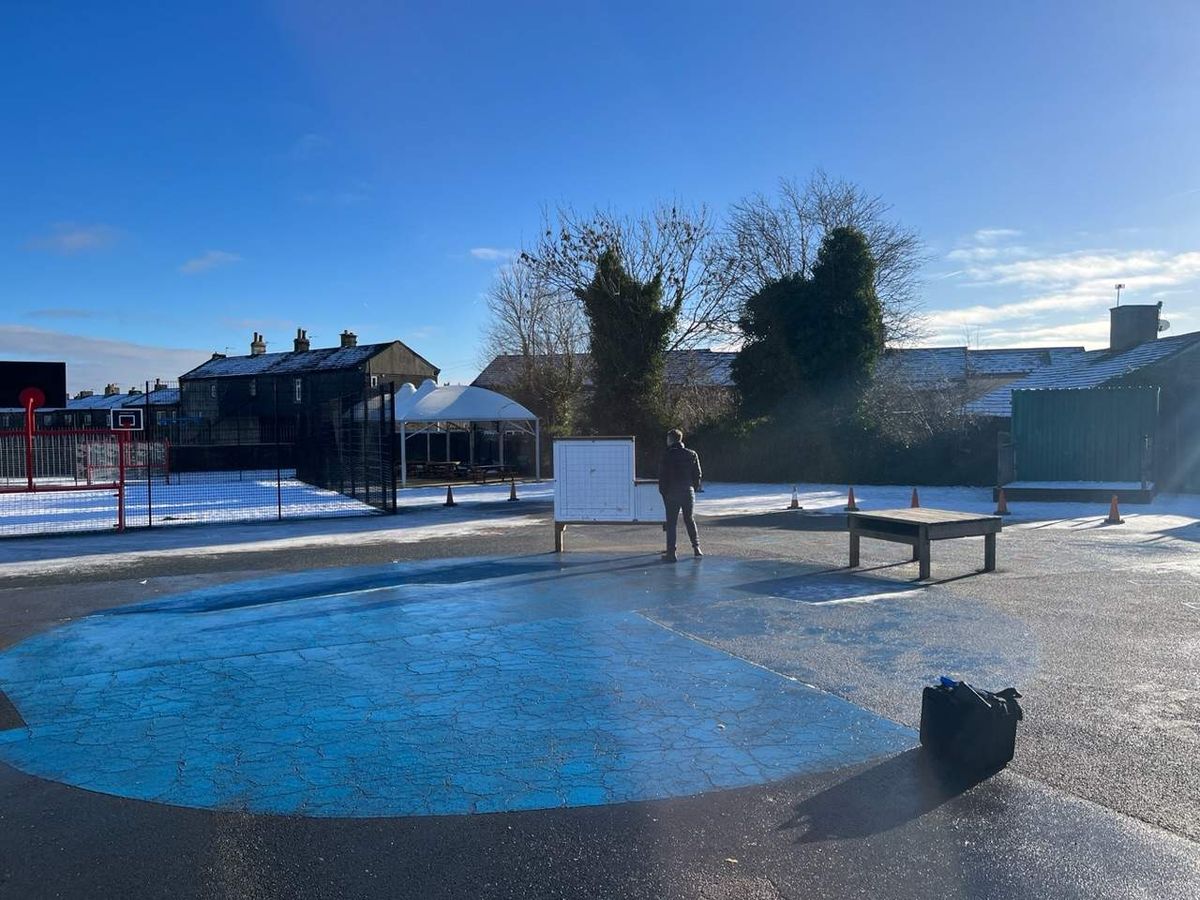
That's not a criticism of operators carrying out their own checks (far from it!) it's simply the nature of playground equipment and surfacing. The combination of consistent in-house routine checks and regular professional inspections is what gives operators the most complete picture of their playground's safety.
Safety Standards for Playground Safety Surfacing
When it comes to playground safety surfacing, compliance isn't simply a matter of choosing the right type of surfacing. The surfacing beneath and around your equipment needs to perform to a specific standard throughout its lifetime! Understanding how different surfaces behave over time is just as important as understanding what they achieve when new.
Below, we've broken down the key surfacing types used in UK playgrounds, what critical fall heights they can achieve, and the most common ways they fall out of compliance over time.
| Surface type | Typical CFH | Min. depth | Recommended depth | Common degradation signs | Compliance risk point |
|---|---|---|---|---|---|
| Wetpour | Up to ~3.0 m | ~15 mm (non-fall zone only) | 35 mm – 100 mm+ depending on fall height | UV fade, binder embrittlement, cracking, delamination, edge lift, water ingress | When binder hardens, cracks open, or wear reduces thickness below required depth |
| Rubber Bark Chippings | Varies by depth and system | ~50 mm+ | 75 mm – 100 mm+ depending on CFH | Compaction, scatter, binder loss, uneven depth, edge breakout | When mulch compacts, thins, or migrates away from fall zones |
| Playbond | Matched to install depth | ~30 – 40 mm+ | 40 mm – 80 mm+ depending on fall height | Granule loss, surface friability, cracking, UV weathering, patch failure, edge degradation | When bonded layer loosens, crumbles, or loses uniform depth |
| Artificial grass | Low alone; moderate with shockpad | Shockpad carries performance — grass pile alone not suitable | Shockpad 25 mm – 100 mm+ depending on fall height | Pile flattening, infill migration, seam failure, compaction, drainage issues, hidden shockpad compression | When infill compacts, pile flattens, or shockpad compresses — often invisible from above |
| Safermats | Varies widely — moderate protection unless layered | ~30 – 50 mm+ | Depends on product and target CFH | Curling, movement, cracking, UV ageing, connector failure, ground settlement | When mats move, crack, buckle, or drainage openings become blocked |
How Pentagon Play can Help
Working for over 25 years in the playground equipment industry, Pentagon Play have become one of the UK's most trusted playground equipment experts. From designing state-of-the-art play equipment to installing a variety of safety surfaces, we know a thing or two when it comes to creating a safe play space.

Not only do our products abide by BS EN 1176 and BS EN 1177 standards, but we have put together a team of accredited inspectors who can visit your playground and perform the necessary checks to ensure you that your playground is safe.
Playground Inspections and Maintenance Service
Recognised by RoSPA, Pentagon Play's Playground Inspections and Maintenance Service is made up of a team of RPII-accredited inspectors.
Having this accreditation ensures that our inspectors can carry out operational and annual inspections to the high standard set by RoSPA. Not only this, but our inspectors are taught specific ways to view playground equipment and locate areas of damage, which the untrained eye won't be able to see.
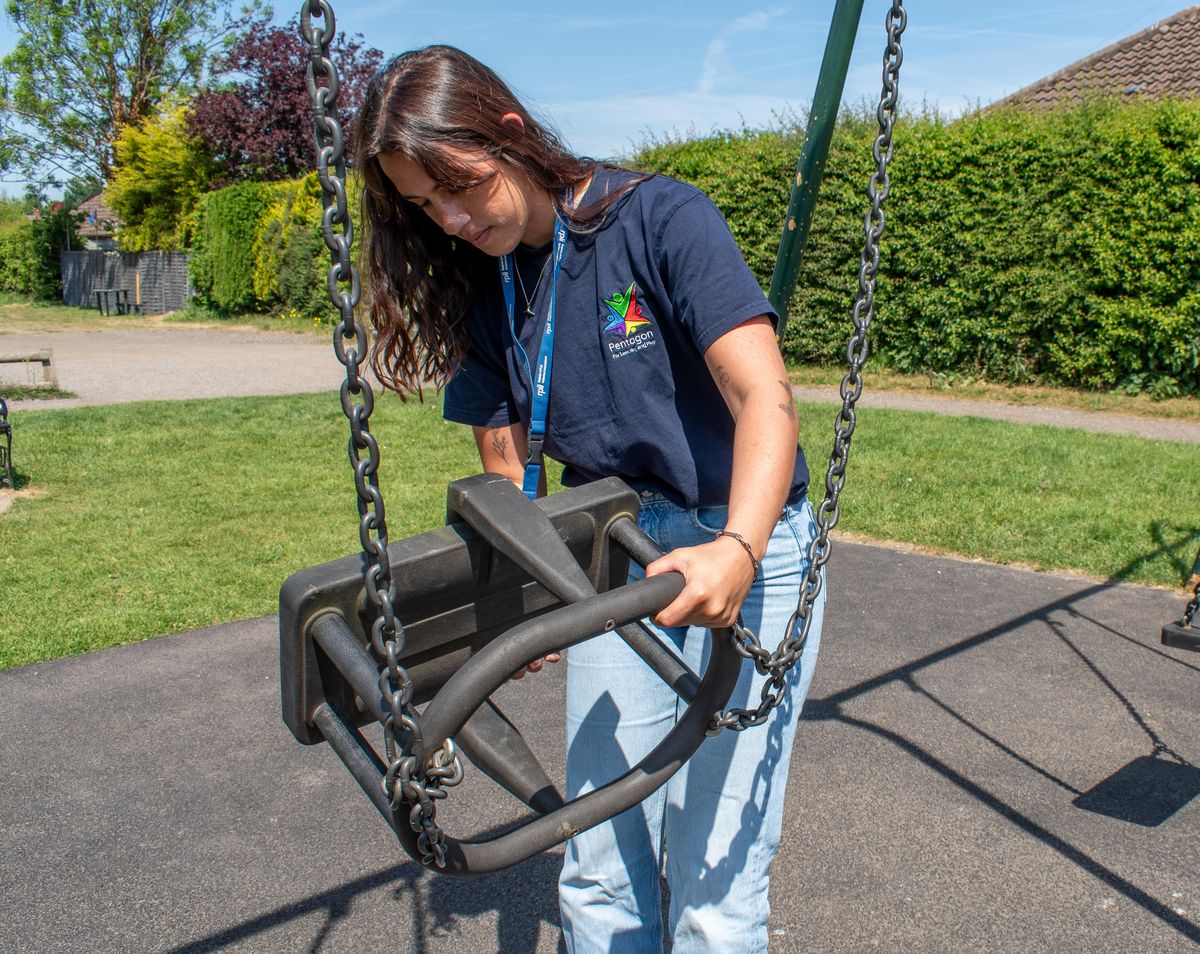
It's natural for playground equipment to degrade over time and for surfaces to become unsuitable, but by having a playground inspection carried out, our team of experts can highlight the affected areas and recommend ways to prevent the damage from getting worse.
Whether it's an operational playground inspection or an annual inspection, the Playground Inspections and Maintenance team are qualified to perform an in-depth inspection on your playground. At the end, you'll receive a simple-to-read report, which details any discoveries or recommendations.
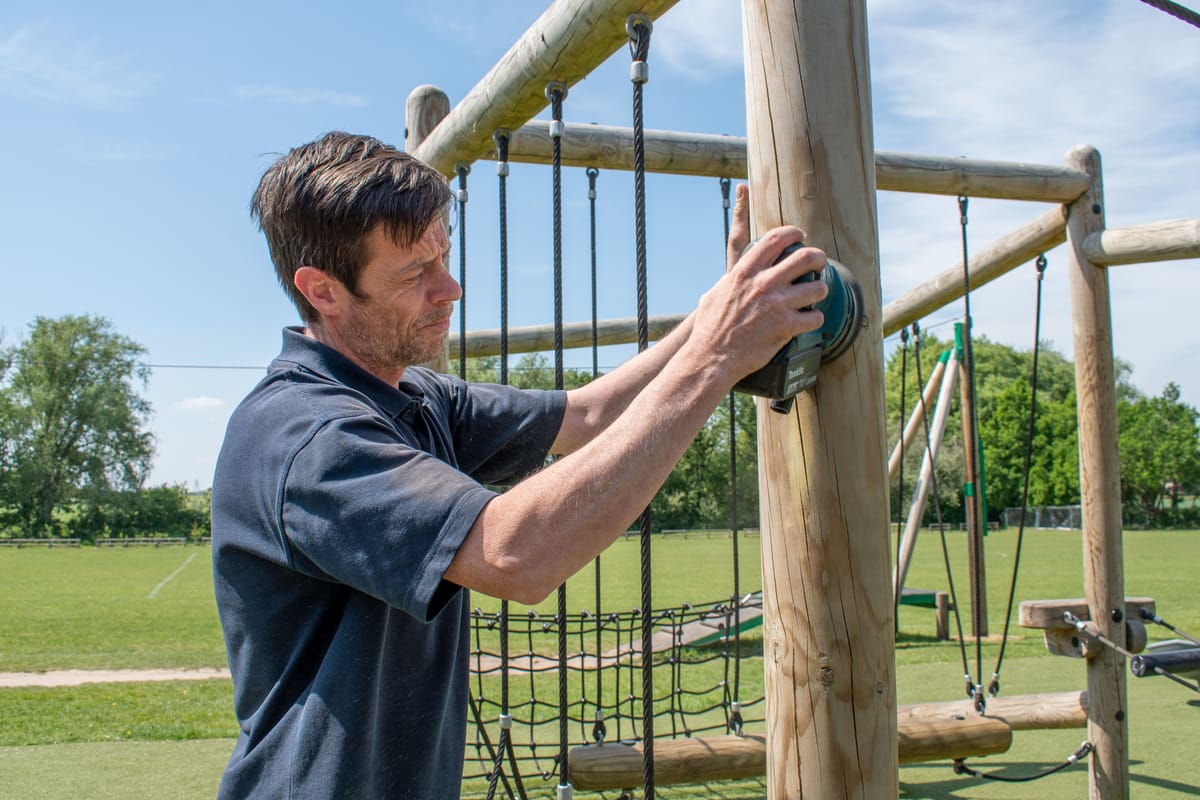
As an added bonus, if your playground contains any Pentagon Play equipment and our inspectors notice minor issues (worn-out caps, minor damage to wood, loose fixtures and fittings), the team will carry out the required maintenance on the spot!
Our Inspection Packages
We offer three inspection packages designed to suit different playground sizes, budgets, and compliance requirements. All packages include phone support and a compliance report, and can be extended to cover indoor areas for an additional £100 per year.
Basic — Compliance Plan — £350 per year
Our entry-level package covers the essential annual inspection that BS EN 1176 and the HSE recommend for every playground in the UK. Includes:
- Annual outdoor inspection by an RPII-accredited inspector
- Full compliance report detailing findings and recommendations
- Phone support
Best for: operators who carry out their own regular in-house checks and need a qualified annual inspection to complete their compliance programme.
Standard — Preventative Plan — £600 per year
Our most popular package combines the annual inspection with an operational inspection, giving you a more complete picture of your playground's safety throughout the year. Includes:
- Annual outdoor inspection by an RPII-accredited inspector
- One operational inspection with minor repairs included
- Full compliance reports after each inspection
- Phone support
Best for: operators who want to move beyond basic compliance and catch issues before they become costly problems.
Full — Full Safety Management — £775 per year
Our most comprehensive package, covering the full recommended inspection programme with two operational inspections per year alongside the annual inspection. Includes:
- Annual outdoor inspection by an RPII-accredited inspector
- Two operational inspections with minor repairs included
- Full compliance reports after each inspection
- Phone support
Best for: operators with larger or higher-traffic playgrounds, or those who want the most complete level of documented compliance throughout the year.
Frequently Asked Questions
Below are some of the most frequently asked questions that we often get faced with.
What are the general rules or guidelines for playground safety?
To ensure full compliance with UK playground safety standards and regulations, operators should ensure that their playgrounds follow relevant UK laws (e.g. the Health and Safety at Work etc. Act 1974), play area equipment and designs meet BS EN 1176, safety surfacing and fall zones abide by BS EN 1177 and that the area is regularly inspected (weekly inspections are recommended).
What are the safest types of playground surfacing materials?
The safest types of playground surfacing materials are wetpour, rubber tiles and bonded rubber mulch, grass mats and artificial grass with shockpads and loose-fill surfaces (like play bark, woodchip and sand).
The reason for this is due to the impact absorption that these safety surfaces offer and how they can provide support for the critical fall height of your play space. However, it's important to note that each surface offers different key benefits, so it's important to speak to an expert for a recommendation.
In addition, without regular inspections or maintenance, these surfaces can easily become dangerous. To ensure that they remain effective, schedule weekly inspections and maintenance to identify any potential damages that could pose a risk.
What are the rules for playground safety?
There isn't a single "Playground Safety Act" to abide by, but rather a set of core rules that UK playgrounds are expected to follow to show that they have made play "as safe as reasonably practicable".
By following relevant laws, technical standards and managing, maintaining and inspecting the play space in a regular manner, operators can rest easy knowing their play area is safe for use.
What are the UK laws and acts related to playground safety?
Core health and safety laws (those being the Health and Safety at Work etc. Act 1974, the Management of Health and Safety at Work Regulations 1999 and the Occupiers’ Liability Acts 1957 and 1984) are the top priorities to focus on.
When purchasing play equipment, make sure that your chosen supplier abides by the Consumer Protection Act 1987 and the Children Act 1989, as both of these laws ensure that the play equipment is designed to be safe and effective.
What are the key principles or '5 S' of playground safety?
The '5 S' principles are Surface, Structure, Site, Supervision and Safety. The '5 S' principles are a great way for operators to check if they have created a safe play environment.
- Surface: The ground under and around equipment should be impact-absorbing, such as wood chips, sand, rubber mulch, wet pour, or other safety-tested surfacing, with enough depth and coverage to reduce injury from falls.
- Structure: Equipment should be sturdy, age-appropriate, free from broken parts, sharp edges, splinters, protruding bolts, or dangerous gaps that could trap a head, finger, or limb.
- Site: The area should be free from hazards like glass, litter, exposed concrete, rocks, or other objects that could cause trips or cuts, and the layout should keep children away from major external dangers.
- Supervision: Children should be actively supervised, especially younger ones, because they may climb, jump, or use equipment in unintended ways, leading to serious playground injuries.
- Safety: This covers age-appropriate equipment, clear rules, proper use of slides and swings, and checking that the playground is well maintained and inspected.
How do age-appropriate equipment and design contribute to playground safety?
Age-appropriate designs and equipment make playgrounds safer by matching the challenge level, scale, and fall risk to children’s developmental stages.
When equipment is too tall, too complex, or too fast for the intended age group, children are more likely to fall, misuse equipment, or get trapped in gaps.
Are playground inspections a legal requirement?
Even though inspections aren't a standalone legal requirement in the UK, BS EN 1176-7 recommends a layered inspection system (routine visual checks, operational inspections and an annual main inspection) to be in place. As a result of this, many courts and insurers often use this standard as a benchmark for reasonable safety.
Overall, regular inspections are effectively expected, even if no single law states "you must inspect annually".
How can I ensure a playground meets safety standards and what are common hazards to check for?
To ensure a playground meets safety standards, use a layered check system:
- Confirm the equipment is age-appropriate,
- Verify impact-absorbing surfacing and fall zones,
- Inspect for entrapment or protrusion hazards,
- Keep a documented inspection and maintenance routine.
The most common hazards are falls, poor surfacing, entrapment, protruding hardware, sharp edges, trip hazards, and worn or loose equipment. Swings, slides, climbers, and moving parts deserve the most attention because they combine height, motion, and impact risk.
Conclusion
Playground safety standards can feel like a complex area to navigate, but the key principles are straightforward. Your playground equipment must meet BS EN 1176. Your safety surfacing must meet BS EN 1177.
As the operator, the legal responsibility for maintaining both sits with you, and a documented programme of routine checks, operational inspections, and annual RPII inspections is what demonstrates you're meeting that responsibility.
The good news is that the vast majority of playground operators aren't starting from zero. Most playgrounds in the UK are fundamentally safe spaces and the challenge is ensuring they stay that way over time, and that you have the evidence to prove it if you're ever challenged.

That's exactly what a structured inspection programme provides. Not just peace of mind, but a documented record that your playground is being actively managed to the standard the law expects, and (more importantly) to the standard that children and their families deserve.
If you'd like to talk to Pentagon Play's RPII-accredited inspections team about putting a programme in place for your playground (whether that's an operational inspection, an annual inspection, or both) we'd love to help!