

PDA (Pathological Demand Avoidance) & Play

At first glance, a child who refuses even the smallest instruction can look defiant or a troublemaker. But for autistic children with Pathological Demand Avoidance (PDA) profile, that response is deeply rooted in intense anxiety, rather than a personal choice.
Research carried out by Professor Christopher Gillberg suggests that around 1 in 5 autistic people showcase a PDA profile. Even though this profile is becoming increasingly more recognised, educational professionals still find it one of the hardest presentations to understand and support!
Utilising traditional behaviour management can often make things worse, leaving both staff and students with PDA trapped within never-ending cycles of stress, burnout and conflict.
However, Pentagon Play are here to help! In this guide, we'll cover what PDA actually looks like in the school environment, why typical approaches to behaviour support can backfire, and practical strategies (including the role of outdoor and sensory-led play can have) to help autistic students feel calmer, safer and more engaged during the school day.
Understanding Pathological Demand Avoidance (PDA) in Autistic Children
Before we jump into effective ways of supporting students with PDA, it's vital that we build a strong understanding of what exactly is PDA.
Described in the 1980s by developmental psychologist Elizabeth Newson, Pathological Demand Avoidance (or PDA) is a profile within the autism spectrum. Whilst every child with autism experiences the world differently, PDA is characterised by an overwhelming, anxiety-driven need to avoid everyday demands and expectations (even ones as small as being asked to put a coat on or start a task they enjoy!)
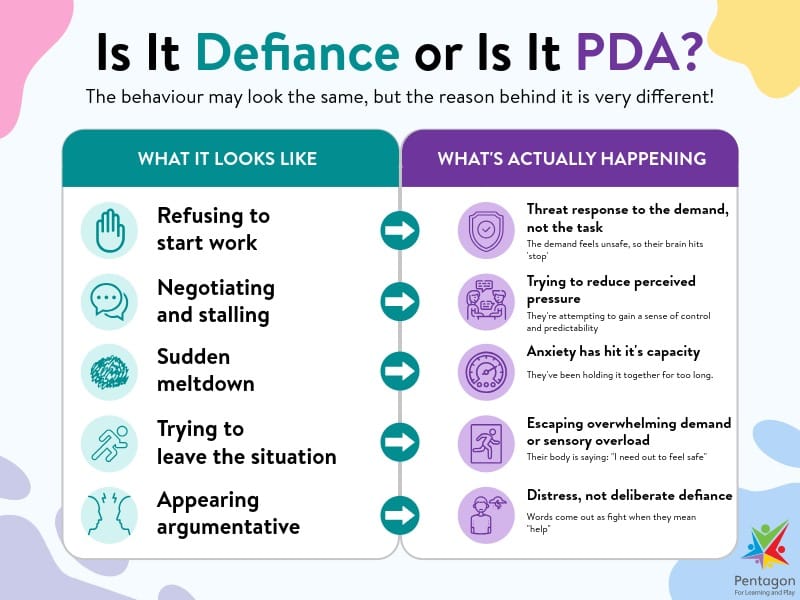
Due to this trait, a lot of children with PDA can often get labelled as trouble-makers, rebels or stubborn, when in reality, the child's threat response has been triggered by the task being given to them, causing them to do everything to avoid doing the task.
By understanding PDA in this way, it can easily change how we and other education professionals approach children with PDA. Rather than asking "how do we get this child to comply?!", we can start to look deeper into the situation and ask better questions like "what's making this demand feel unmanageable right now?". The shift in mindset from enforcing compliance to exploring curiosity is the foundation for every strategy within this guide!
However, if there's one thing to take away from this section, it's that PDA presents itself differently in every child and can look different depending on the day, the setting or how much the child is already masking.
Some autistic children with PDA can appear sociable and easy-going on the surface, using techniques like charm, distraction or negotiation to avoid a demand in a non-confrontational way rather than outright refusal (which is part of why recognition in education settings still lags behind other autism profiles).
How PDA Shows Up on the Autism Spectrum
As we mentioned before, PDA doesn't look the same in every child, but there are some common patterns that support staff and teachers will recognise once they know what to look for. PDAers may show these common traits:
- A strong need to maintain personal autonomy
- The ability to mask themselves as extremely sociable
- Use of social strategies (like distraction, flattery, negotiation and role-playing) to deflect demands and avoid confrontations.
- An intense fascination with a particular person, rather than a hobby/interest.
- Difficulty in recognising bodily sensations (such as hunger, thirst and temperature)
- Experience mood swings, impulsive behaviours, or emotional outbursts
Even though many of these traits that PDA can be seen as negative, it's important to note that PDA can present positive signs of having a strong empathetic understanding, having a creative flare, being honest and loyal, and can work well independently!
However, these traits can be inconsistent, as it really depends on the learner's level of anxiety at the given time (which can fluctuate throughout the entire day). This inconsistency is often the clearest sign that a child might have the PDA profile.
Recognising Distress and Burnout in Young People with PDA
Picture a balloon being filled with water. As more water gets added, the balloon becomes bigger and heavier, making it harder to move around. Eventually, the water becomes too much for the balloon and it explodes, leaving everywhere a whole lot messier than it was to begin with. This is the exact way a lot of PDAers feel when their daily anxiety builds.
Eventually, the anxiety will hit a point where it leads to the learner exploding with different emotions and behaviours. Ranging from burnout, exhaustion and isolation to quietness, becoming avoidant and lack of engagement, these "typical" meltdowns can cause some real problems.
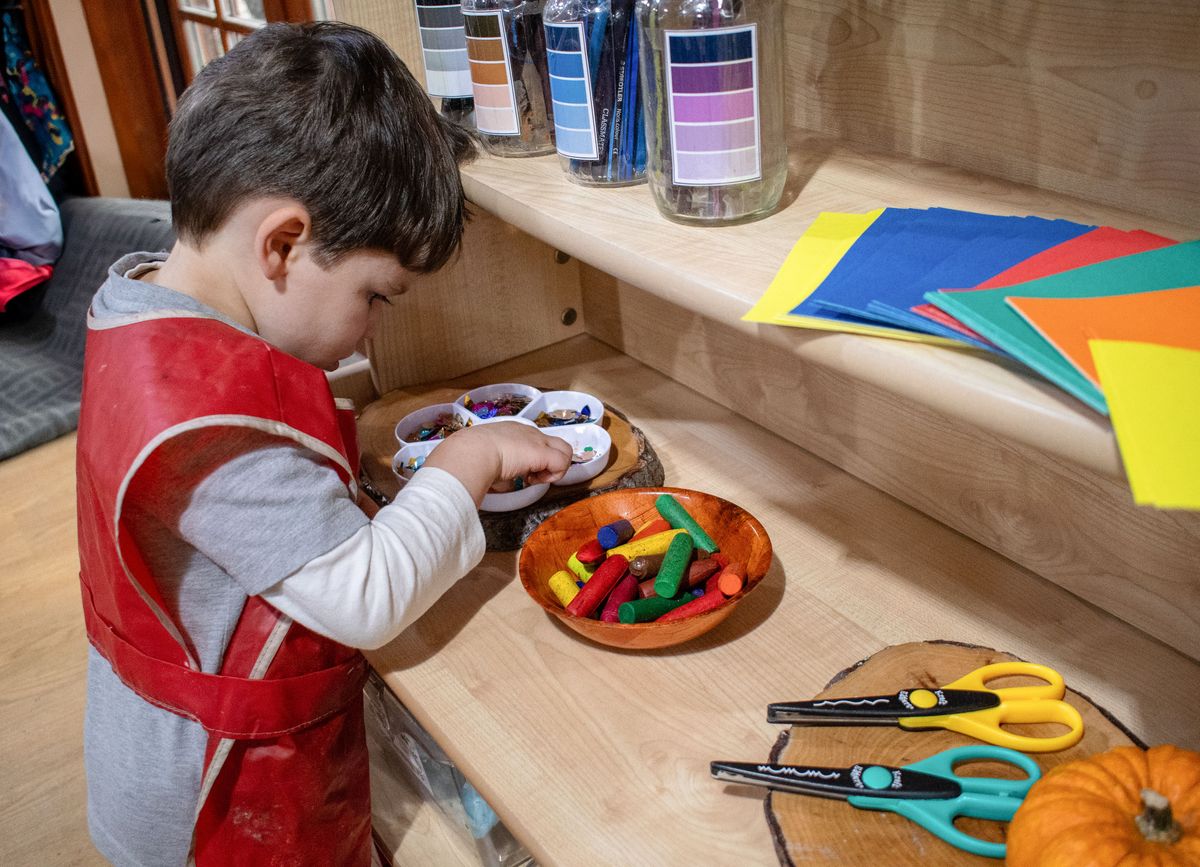
Supporting the child by recognising these common signs of an impending meltdown can help not only prevent the explosion from happening, but it can also help children with PDA feel more comfortable within the school environment, leading to their anxiety levels starting to drop.
Emotional and Sensory Triggers Behind PDA Behaviour
It's key to know that PDA behaviour rarely happens in isolation. Emotional and sensory triggers (such as noise, unpredictability, feeling watched or rushed etc.) often sit underneath what looks like sudden non-compliance. Recognising these triggers is the first practical step toward reducing them.
Reducing these triggers means children and young people with PDA can feel safer within your school, allowing them to fully engage with teachers and support staff without the anxiety of a trigger occurring.
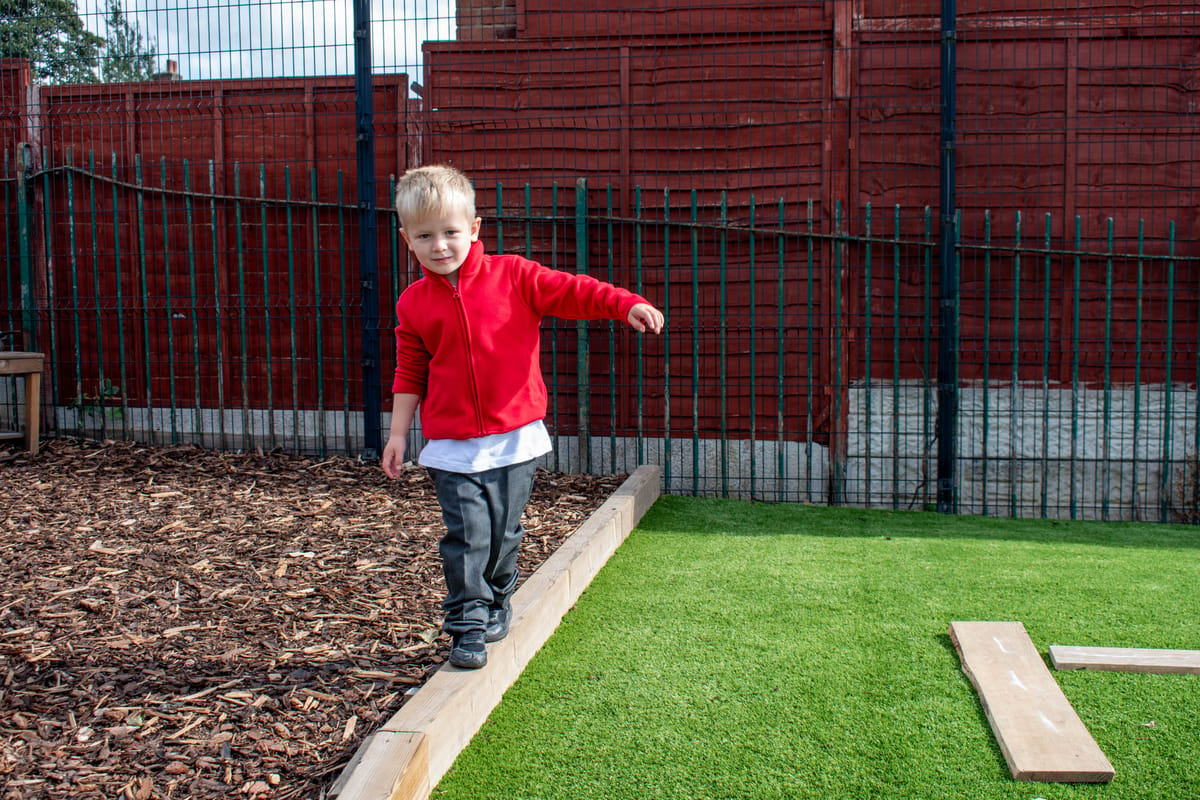
Obviously, eliminating all triggers might be difficult, but even reducing the likelihood of one happening is a huge step and can mean the world of difference to the many PDA children who attend school.
Supporting Autistic Students: Behaviour Support Strategies for PDA
You're in the staff room having a coffee and recovering from some 1-2-1 training. Suddenly your Special Educational Needs Coordinator (SENCO) enters and has told you that your student with PDA is showing challenging behaviour and is struggling after being given a simple task.
Many teachers and other professionals within the school might believe that using standard behaviour techniques (such as reward charts, firm instructions, consequences) is the best way to resolve the situation.
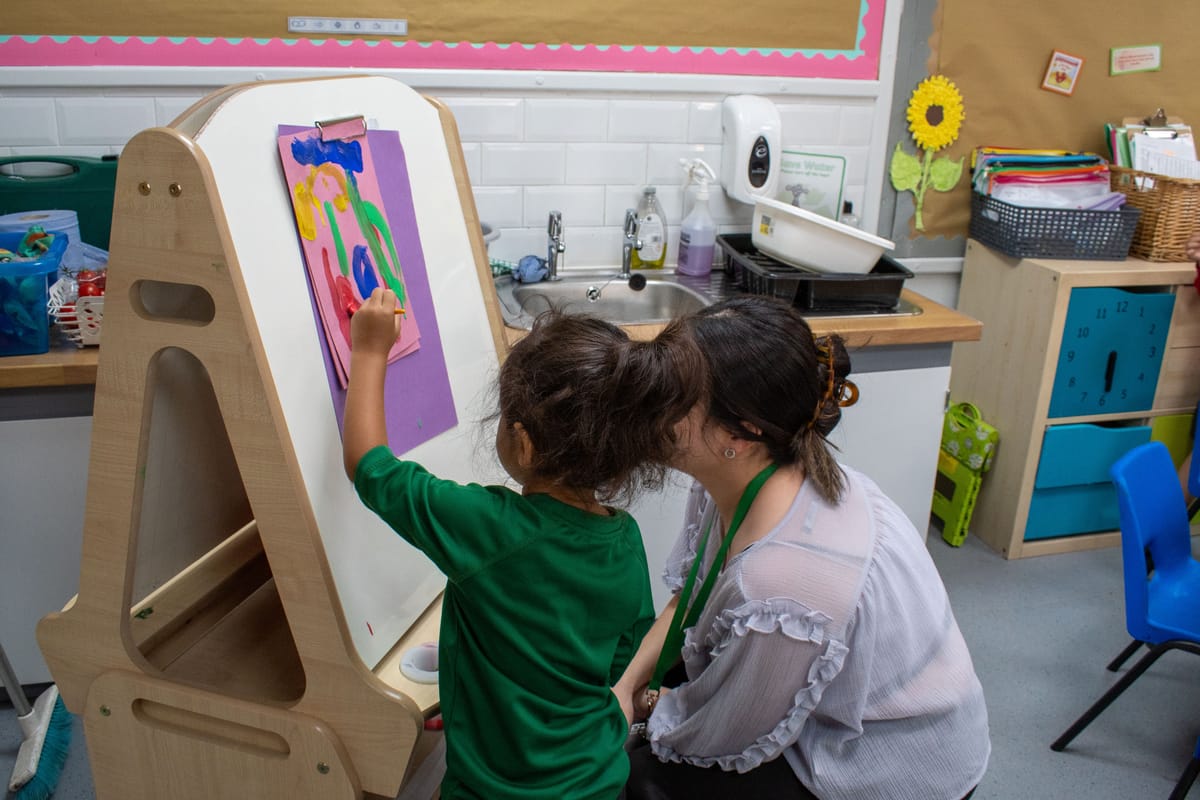
However, all this will lead to is the child building a stronger resistance to you and the school, rather than reducing it. The key to combating these situations is to respond in a way that reduces the child's feeling of being controlled, rather than trying to reinforce and tighten it.
After speaking to staff from specialists schools around our Middlewich office, we've put together some key tips and tricks you can use to create an environment that takes the attention away from establishing control to helping the child feel in control in the learning environment.
Creating a Low-Demand Classroom Environment
Starting with the classroom, there's already a lot of small changes that can be made for helping students feel more autonomous and independent!
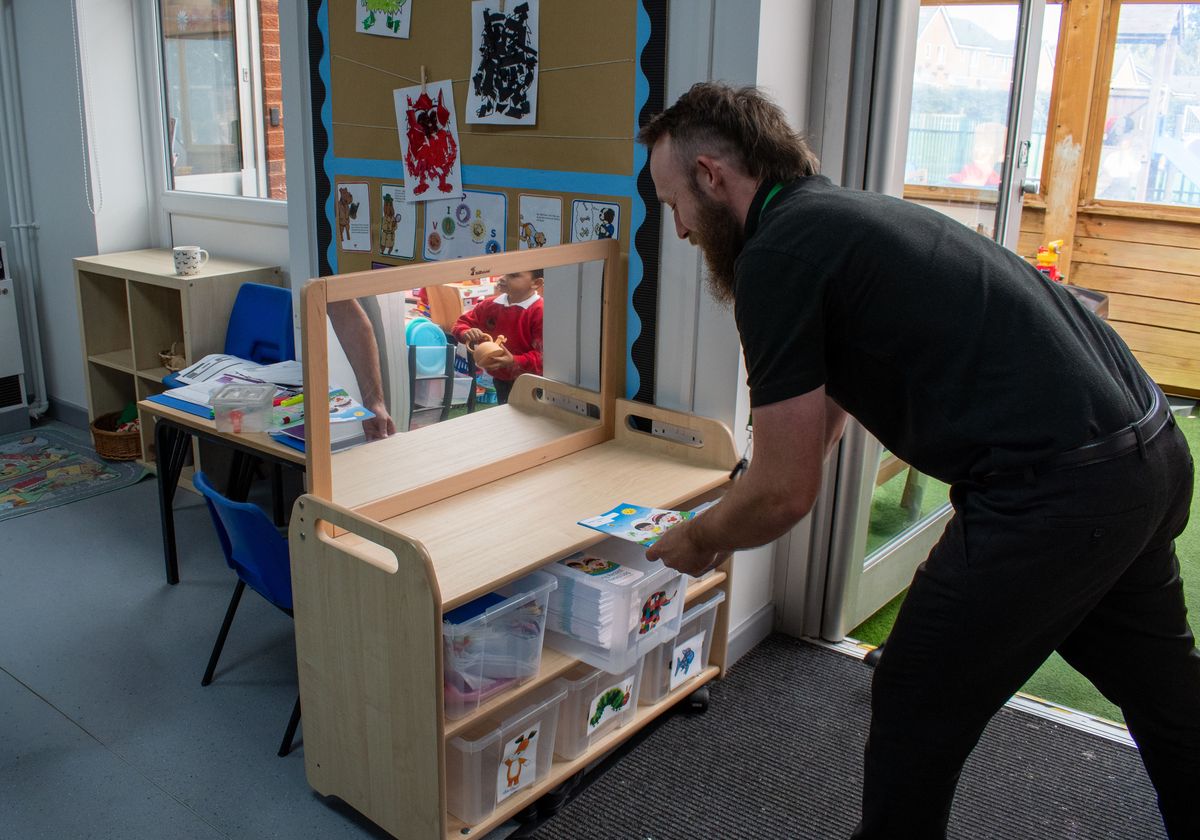
Firstly, try offering students choices rather than instructions. For example, instead of saying "please can you read the next page and then fill in the worksheet", you could re-word it to "would you like to start with the reading or the worksheet?". By doing this, you are giving the child the ability to choose what they want to do, which reinforces their sense of control.
The next technique is all about building flexibility and helping the child feel safe within the classroom. Inform school staff who are involved in daily interactions with the child about the situation and adapt strategies to suit them. If the child has a meltdown, don't scold them. Instead, see it as part of the learning process and look at how you can improve the process to avoid extreme anxiety to escalate.
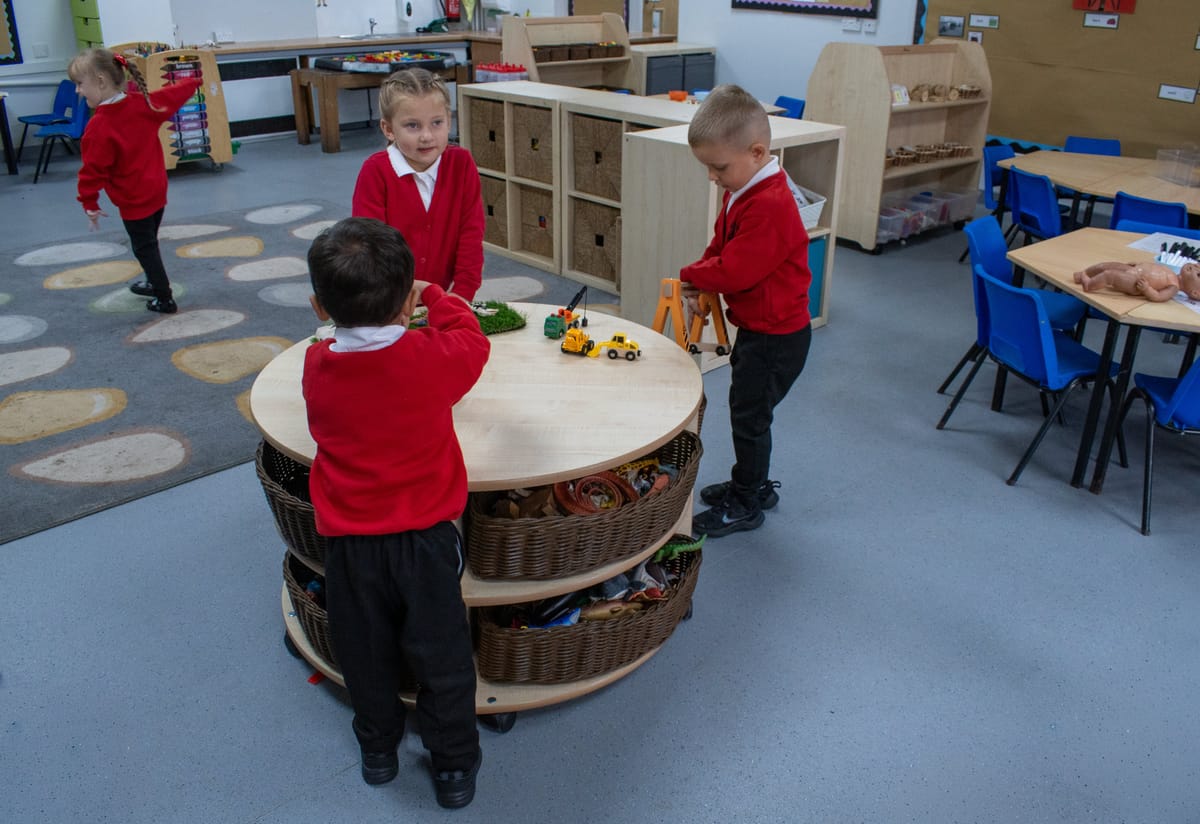
Finally, try to ensure that a suitable environment is present for the child to calm down in. Quiet rooms or sensory corners are fantastic for this, as they allow the child to independently calm themselves down and re-approach the situation. Please keep in mind that trying to force the child into one of these areas will not only lead to a meltdown becoming more severe, but it can leave a negative impression on the space that is designed to calm them down, which can impact the child's well-being.
Practical Strategies to Support Young People with PDA
Try using more indirect language. Similar to the previous point, using language like "put your shoes on" can make a PDA child feel like they are losing control and their independence. Instead, try using different speaking techniques, such as:
- Declarative: simple state an observation, rather than a command, such as "your shoes are by the door".
- Questioning: frame expectations as thoughts, such as "I wonder how we could protect our feet from the cold floor?".
- Humour/role-play: make the demand feel like a game or a collaborative effort, such as "I think my robot needs to wear his shoes!".
- Genuine: try to offer acceptable alternatives, such as "would you like to wear your wellies, trainers or school shoes?".
There is one important thing to note with these techniques. Try not to overuse them. Children with autism can be extremely observant, and children with the PDA profile are experts at picking up on social tricks for getting them to do tasks. If the child is able to pick up on you using this technique to get them to carry out tasks, they will start to refuse and it will harm any trust you've developed with them.
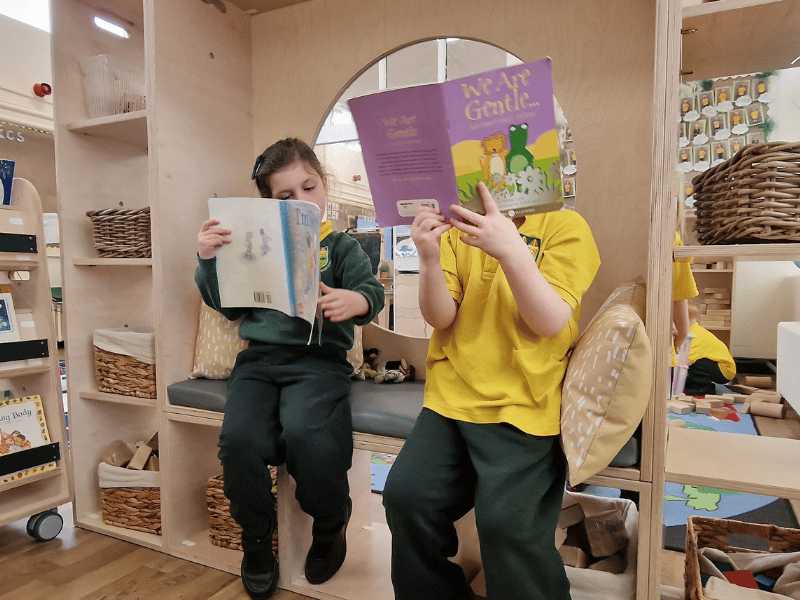
To support these techniques, we would also suggest trying to avoid all-or-nothing reward systems. Instead, try using carry-over token systems, as "earn it or lose it" systems can make the child feel like they've lost control of their autonomy.
As well as this, try to keep transitions between lessons predictable, but not rigid. Even though every child is different with PDA, most PDAers love a predictable routine, as it helps them feel a lot more relaxed and engaged. Avoid making the routine too rigid, as this can leave the children feeling bored, leading to less engagement during lessons.
How Outdoor Play Supports Autistic Children with PDA
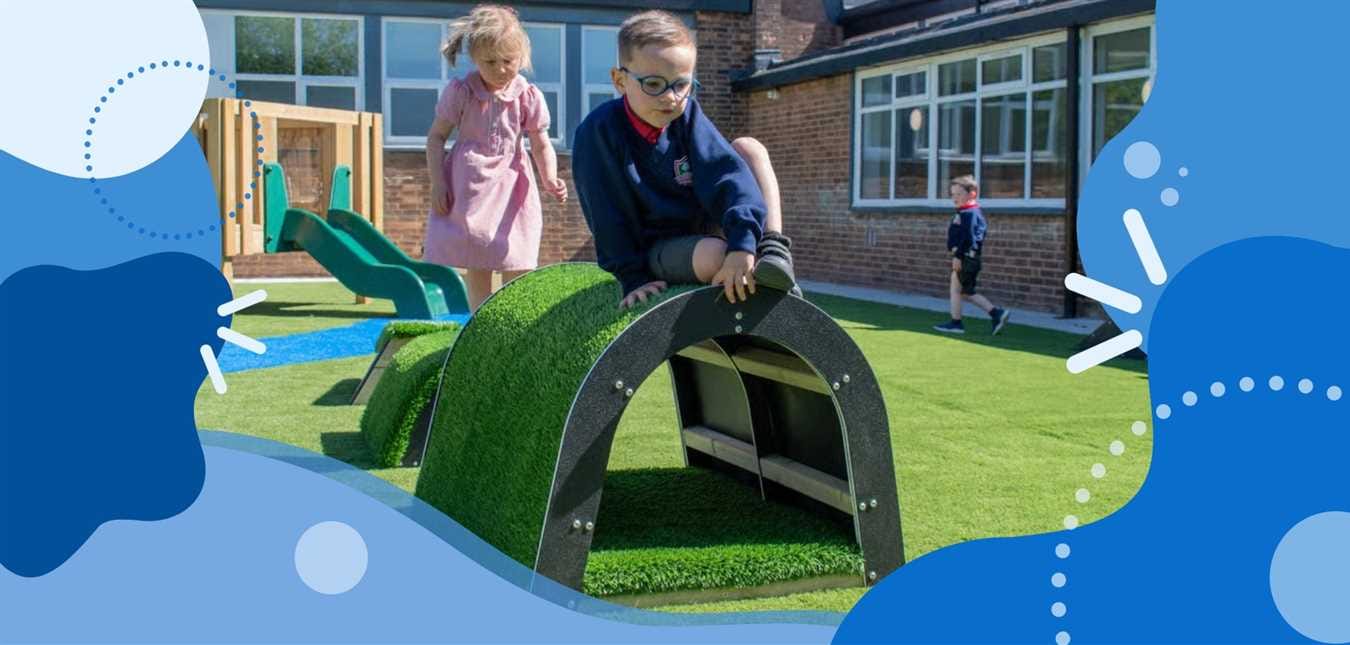
It might surprise you to hear this, but outdoor spaces can offer something that the classroom can't often give. An environment that offers fewer explicit demands. With no seating plan to follow, no worksheets to complete and no direct instruction waiting for them at every turn, playgrounds provide children a space to move, choose and self-regulate on their own terms!
For autistic children with PDA, that shift away from the classroom's structured demand can make outdoor time one of the calmest, most successful parts of the school day.
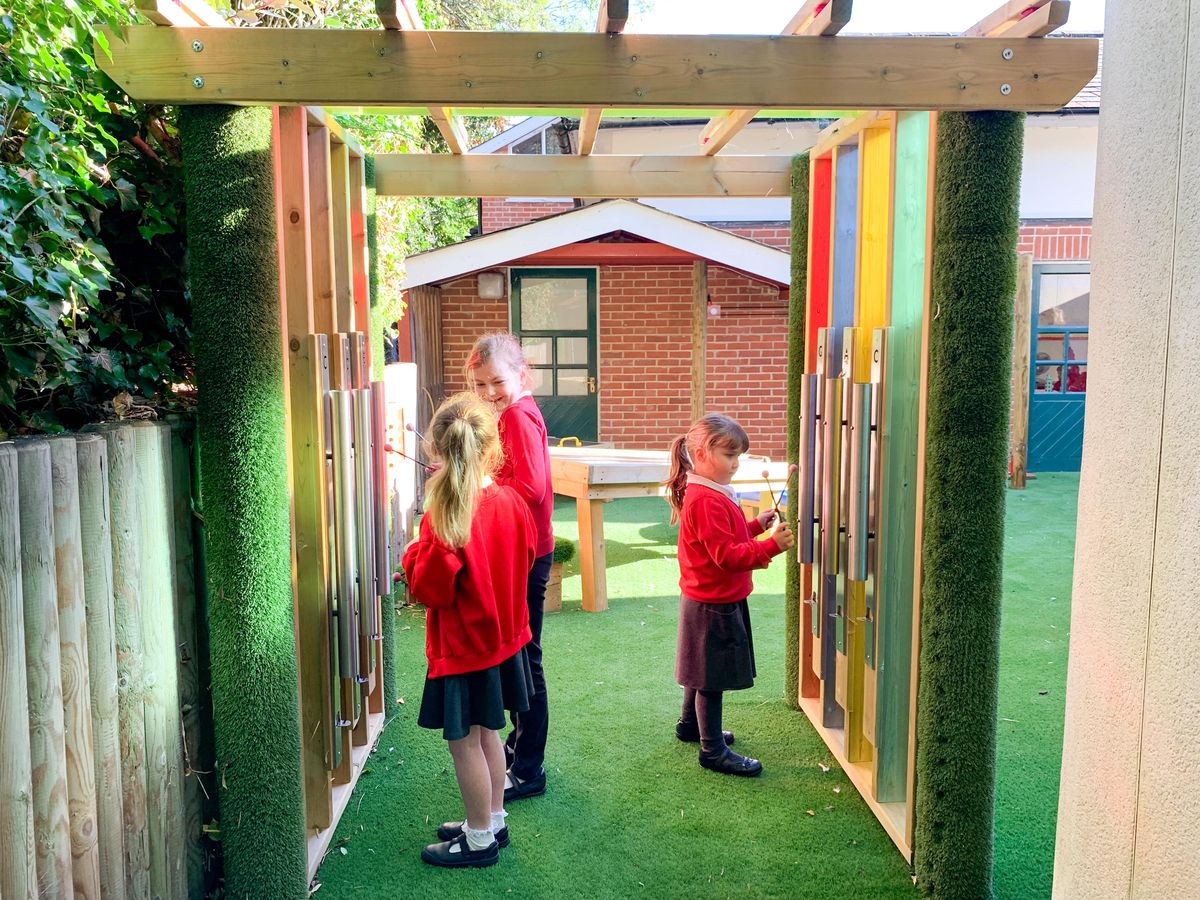
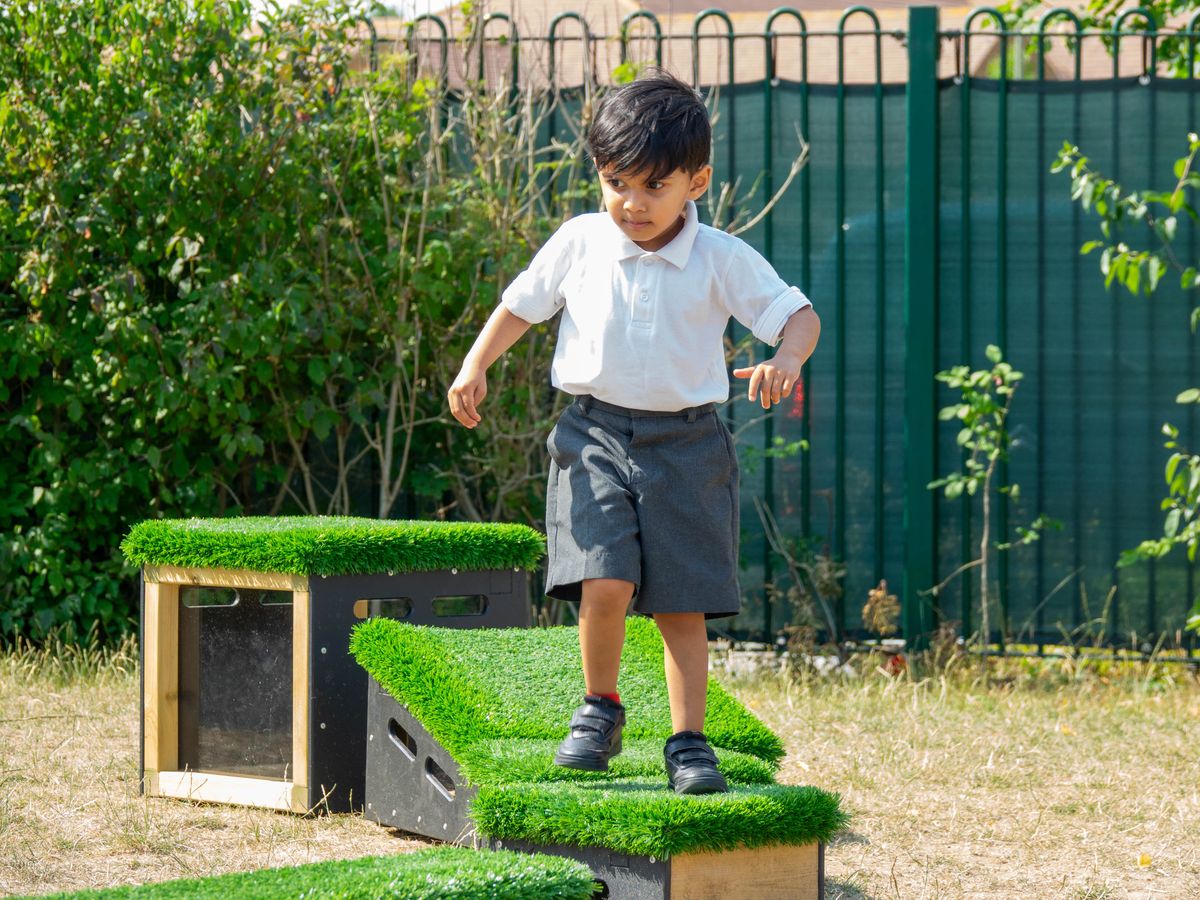
The key to making the perfect play space for someone with PDA is simple. Offer choice! Many PDAers love playgrounds which offer a variety of exciting and engaging play equipment.
Reducing Behaviour Distress Through Sensory-Led Play
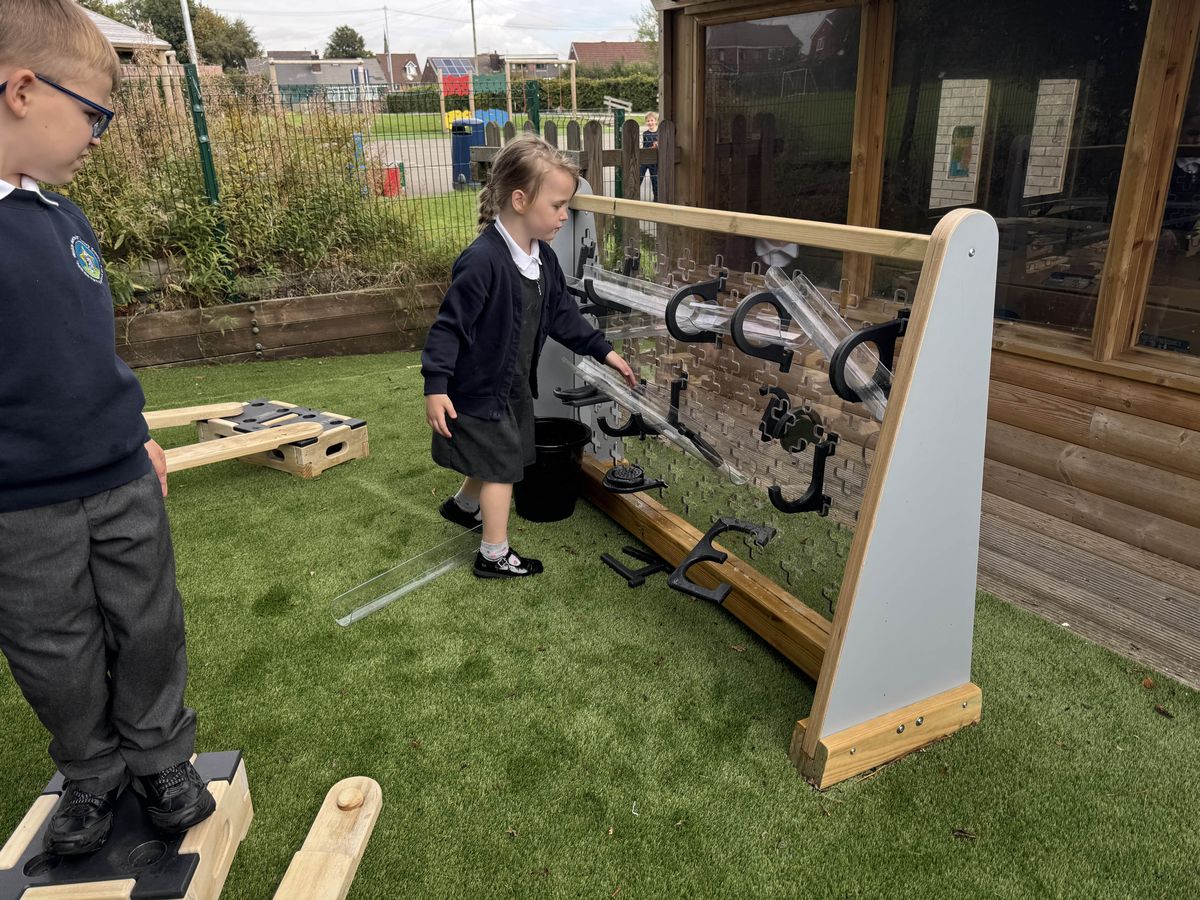
One of the key areas of play that a lot of PDA children tend to engage in is sensory play. Not only do these areas provide a fantastic chance for a child to engage in sensory regulation, but these spaces also allow students to feel safe enough to explore new senses and develop stronger coping strategies.
Sensory play areas can be used to create a sense of calm and independence in chaotic playgrounds. A great example is Pentagon Play's Wind Farm package. Featuring four unique sensory spinners (each targeting unique senses), they can easily be installed to establish a safe space for PDA children to explore their senses and relax.
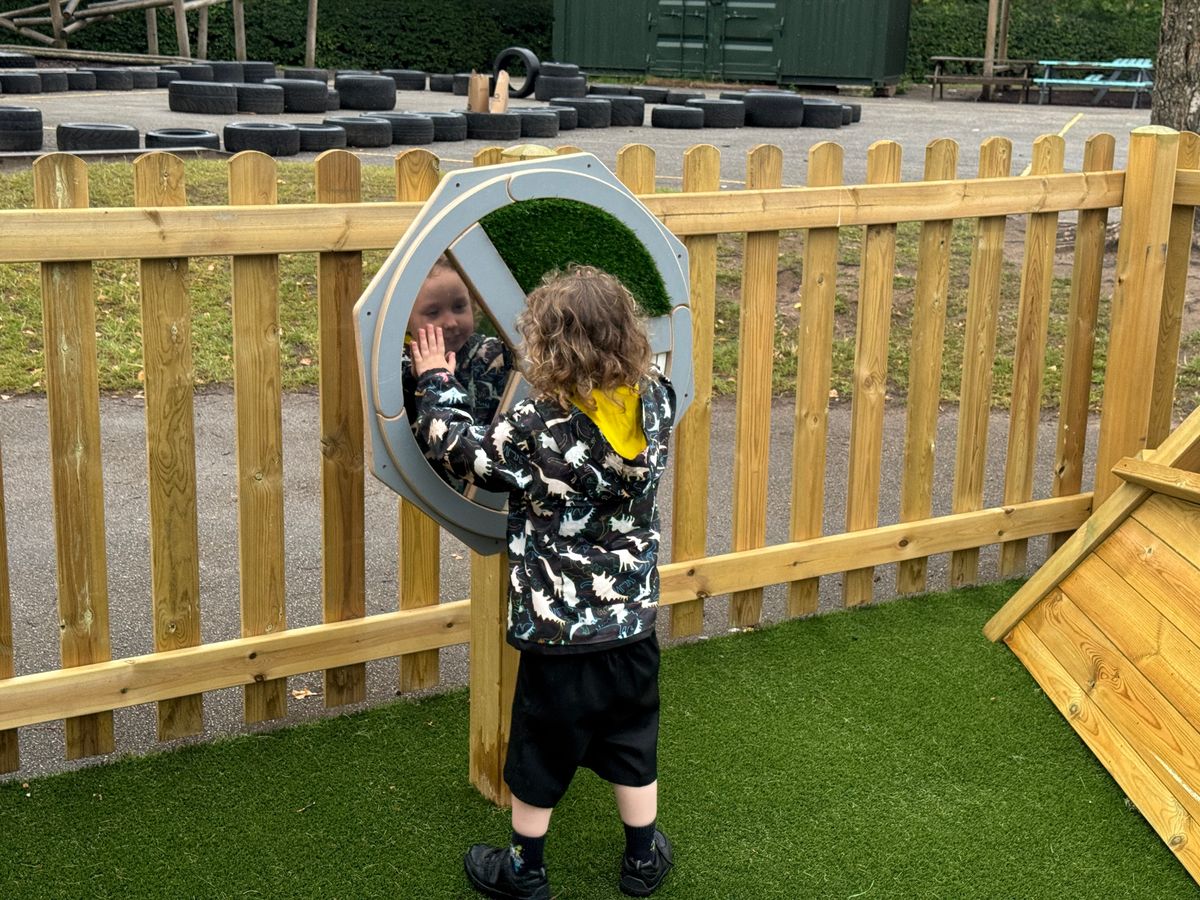
Why not combine the sensory spinners with the fantastic Sensory 5M Hexagonal Gazebo to create the ultimate sensory play area. Providing a shaded space with coloured windows and different textures, this outdoor space provides a fantastic space for not only play times, but provides the opportunity for outdoor lessons (which can be hugely beneficial for children with PDA).
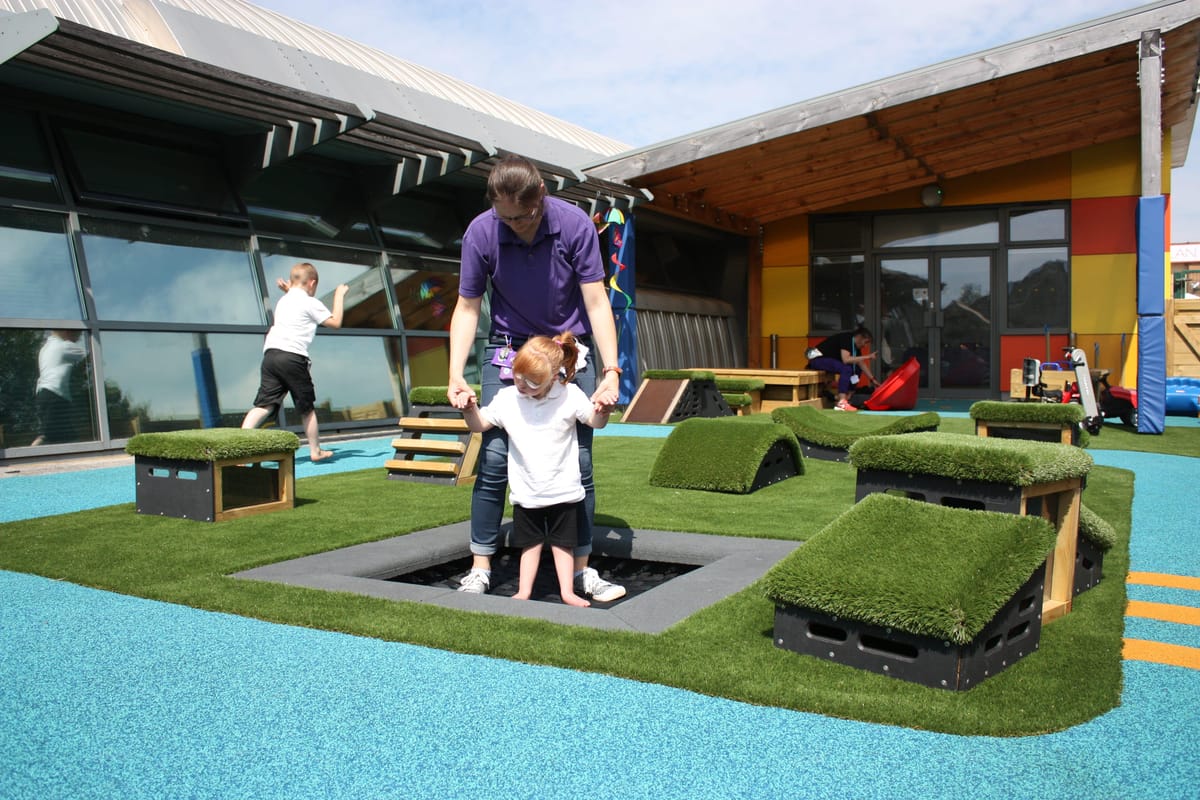
Looking for something more active? The In-Ground trampoline is a fantastic way to not only allow children to experience a new sense of movement, but to also develop gross motor skills. Adding this with the sensory spinners and gazebo can add a sense of excitement and help children escape into new worlds.
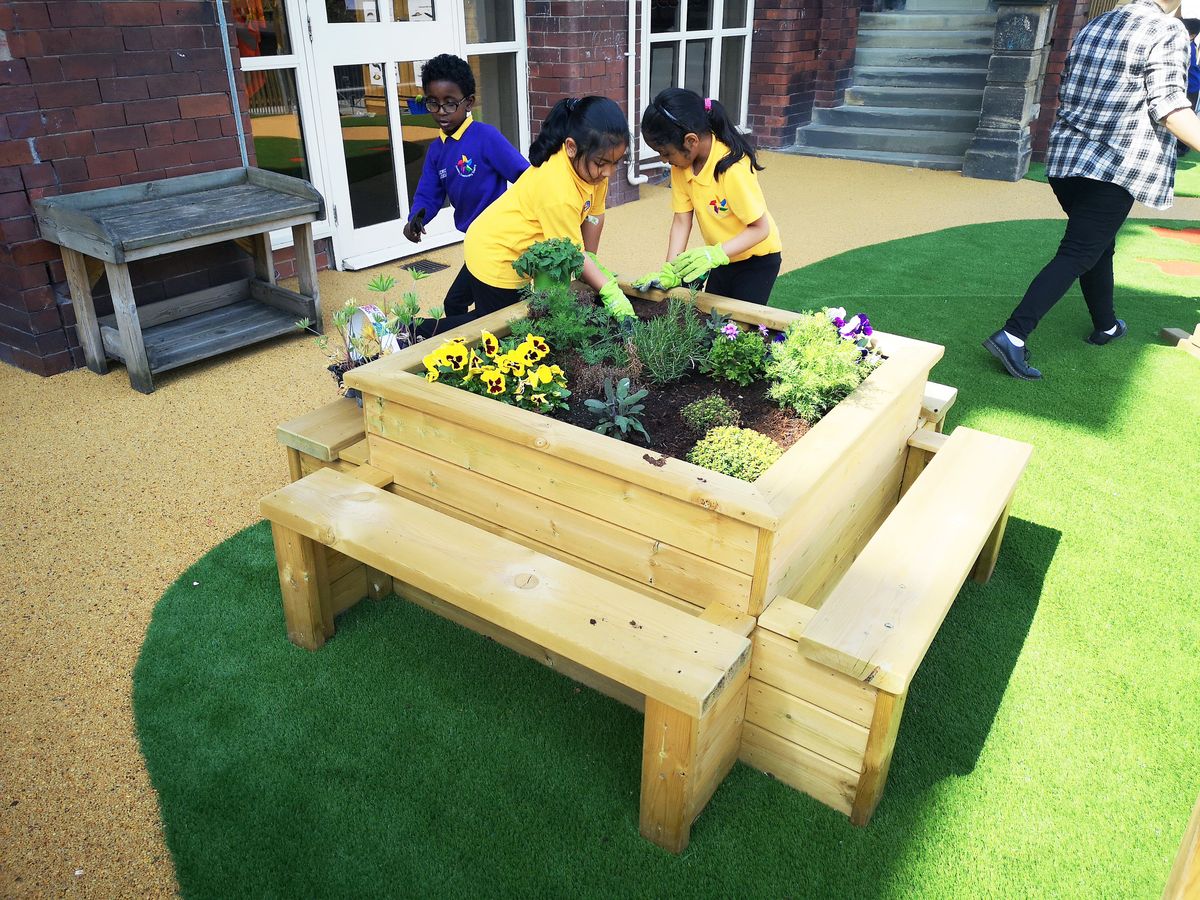
Wanting a more relaxed atmosphere? Planters can be a fantastic addition to the sensory space. Whether it's a planter bench or just a low planter, having flowers and shrubbery present within the area can help children escape into a world of nature and engage their sense of smell, too!
Final Thoughts on Understanding PDA and Supporting Autistic Students
Understanding PDA starts with a simple but important step: seeing avoidance as anxiety, not defiance!
Once mainstream or specialist school staff start to take that step, everything else will naturally follow. From the introduction of lower-pressure language and offering choice to creating a sensory-rich environment (both indoors and out), these steps all help in reducing the sense of demand rather than reinforcing it.
Supporting autistic students with PDA isn't about finding the "right" consequence or reward system. It's about recognising what's driving the behaviour in the first place, and building a classroom and playground that works with their anxiety rather than against it.
Outdoor and sensory-led play is one of the simplest, most effective tools many schools already have for doing that, so why not utilise it? If you're wanting help to craft the perfect PDA environment, contact us today and see how our specialist PDA and SEN equipment can help you create the ultimate space for your children to flourish!
Or, you can have a look through our wide range of SEN sutiable play equipment, and start planning your dream PDA playground today!