


SEND Reforms & the IMF: Your Primary School Guide for 2026/27

Big news arrived at the end of February 2026 with the publication of the UK Government’s schools white paper, Every Child Achieving and Thriving — detailing reforms to the schools and SEND systems in England.
Tucked inside the white paper is one of the most significant changes to the SEND (Special Educational Needs and Disabilities) system that we have seen in over a decade.
Since then, further guidance has been published, including the updated Inclusive Mainstream Fund (IMF) for 2026–27. This is an important development for mainstream schools, providing additional funding to help them improve SEND support and embed inclusive practice - and mainstream primary schools now need to publish an Inclusion Strategy before the end of 2026.
Whether you’re a SENCO, class teacher, headteacher or support staff, these changes will shape how your school approaches SEND in the years to come - so let’s break it down in a way that feels quick and easy to digest.
Why The SEND Reforms Matter
There are currently around 1.7 million children with identified SEND in England - that’s roughly one in five of all school-age children. For years, schools and families have been calling for a system that’s less bureaucratic, fairer, consistent, and better resourced.

At the same time, spiralling costs and long waits for statutory plans have left local authorities, schools, and parents under an awful lot of strain. These reforms are the government’s attempt to fix this, with ministers outlining plans to invest billions of pounds in making mainstream schools more inclusive.
In a nutshell, the aim of the reforms is to move away from a one-size-fits-all system, strengthen support in mainstream schools, and to make SEND provision more predictable and better tailored to individual children. They mark a major shift away from bureaucracy towards an inclusive, early-intervention, child-centred system.
It’s a massive change - and it’s natural to feel cautious about what it means for schools, families, and children.
One important development since the white paper is the Inclusive Mainstream Fund. The government published the funding methodology in July and confirmed allocations for 2026–27, giving schools more immediate information about the funding available to help them develop inclusive practice.
It is important to remember, though, that the wider SEND reforms are still being developed. The funding arrangements are now in place for 2026–27, but not every proposal in the white paper has become a requirement - full implementation and reassessments are scheduled to begin from September 2029, with phased rollouts and transitions continuing into 2030.
What are the Major Changes?
Below are some of the key changes you should be aware of. We've tried compiling all the information in a simple to digest way, so you can keep yourself informed in a quick and effective way!
1. Individual Support Plans (ISPs) for Every Child With SEND
One of the biggest proposed changes is the introduction of Individual Support Plans (ISPs).
Up until now, only children with an Education, Health and Care Plan (EHCP) have a statutory plan outlining their needs and the provision required to support them. Other children receive SEN Support through their school, without necessarily having an equivalent formal plan.
Under the new proposals, every child with identified SEND will have an ISP, drawn up by schools in consultation with parents, setting out the child’s needs and the support they should receive.
ISPs are intended to be clear, practical and tailored to each child’s needs, with actions and adjustments agreed by schools, families, and where relevant, specialists. The idea is to ensure every child gets the support they need without having to fight for it.
For primary schools, this will mean planning early, documenting support thoughtfully, and involving families from the outset for all children with SEND.
What does this mean right now? Schools should continue to follow their existing SEND duties and arrangements while keeping up to date with the government's decisions on ISPs.
2. Changing Role of EHCPs
One of the most controversial and talked-about parts of the reforms is what will happen to existing EHCPs.
Under the new proposals, EHCPs will still exist, but reserved for children with the most complex needs - for example, where specialist provision is essential to access education. Digital EHCPs are also proposed, with information such as the personal care support a child with a physical disability may need.
For children currently on EHCPs, changes are not expected to happen overnight. The government has outlined a phased approach, with significant changes to EHCP arrangements expected from around 2030 onwards.
Most importantly, schools and families should not assume that existing EHCPs or support arrangements have already changed.
Current statutory duties remain in place unless and until changes are made through the appropriate processes. The intention is to reduce reliance on costly statutory plans that can take a long time to arrange, and instead speed up and widen access to meaningful support.
3. Three Layers of Support - A Tiered Approach
The reforms introduce a proposed tiered structure of support within schools, and the government wants children to be able to move between these layers if and when their needs change.

This begins with a ‘universal’ offer of support, which every child should benefit from, and includes the day-to-day inclusive teaching and adjustments that every school is expected to provide - high-quality adaptive teaching, calm environments, and early help when needed. For children with additional needs, there will be three further levels of support:
- Targeted Support - extra help recorded in ISPs for children whose needs require more than a classroom teacher might usually meet on their own. This includes structured support such as speech and language activities in small groups, or help with managing sensory needs.
- Targeted Plus Support - tailored packages recorded in ISPs, including more specialist input from education and health professionals such as speech and language therapists, occupational therapists or educational psychologists. This is intended to be delivered in partnership with the proposed ‘Experts at Hand’ offer.
- Specialist Support - children with complex needs will receive comprehensive specialist support through a Specialist Provision Package and EHCP in their mainstream or specialist setting. Day-to-day support will be recorded in their ISP.
This tiered model encourages schools to think more flexibly and responsively, and gives leaders a roadmap for allocating time and resources so that children can access the right help at the right time.
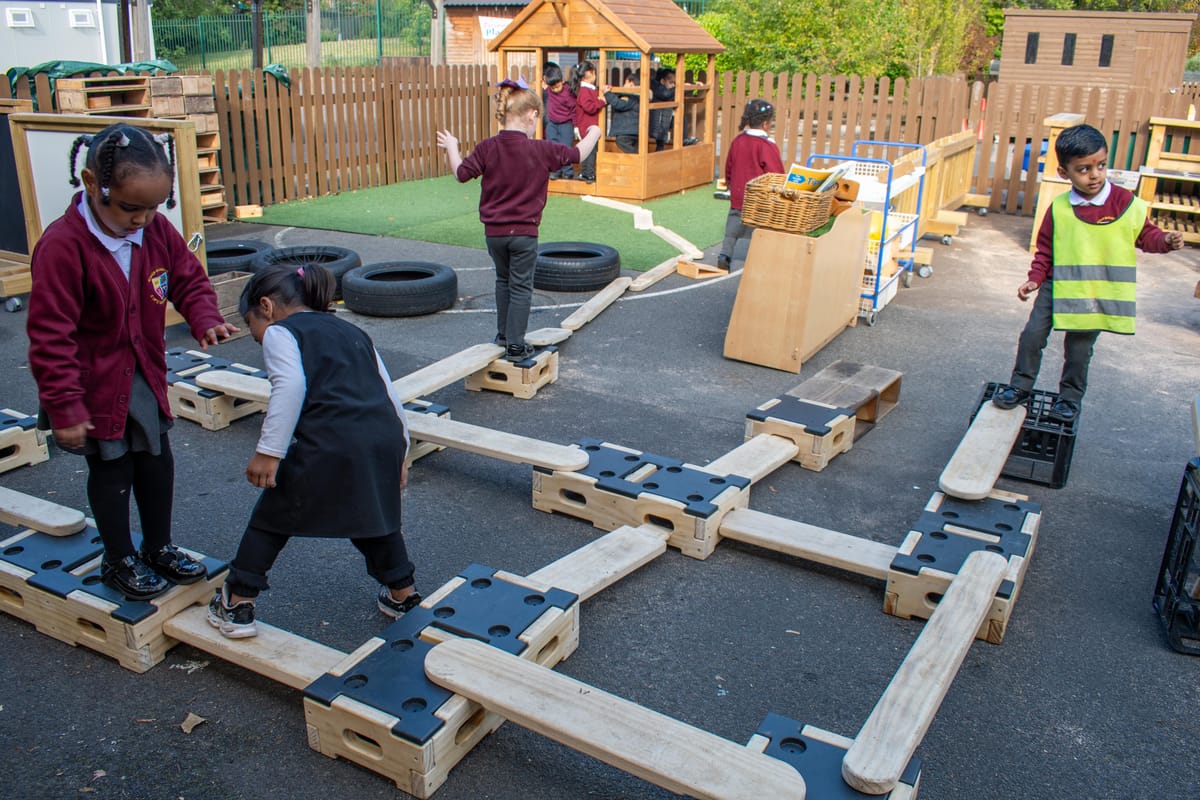
For many primary schools, this simply reflects reality already lived - some children need small-group work, some need adjustments to the environment, and some need specialist time with trained staff.
The challenge is ensuring that schools have the capacity, funding and access to professionals to deliver the right support consistently.
4. ‘Experts at Hand’ — More Specialist Support
One of the strongest proposals that has been particularly welcomed by professional bodies, is investment in specialist support available to schools.
A fund of around £1.8 billion over three years has been announced for the proposed ‘Experts at Hand’ offer, which is intended to make professionals such as educational psychologists, speech and language therapists and occupational therapists more accessible to schools.

This should mean that schools won't be working in isolation, and help should be quicker and easier to access when needed.
Practically speaking, primary schools should be able to benefit from specialist advice more quickly and easily when planning approaches for children with more complex needs, although the actual impact will depend on how the offer is implemented and the availability of professionals locally.
5. The ‘Inclusion Strategy’ and School Accountability - New Deadline!
The reforms are intended to strengthen how schools are expected to deliver SEND support and demonstrate it in action, with new expectations around inclusion.
The government wants schools to publish an ‘Inclusion Strategy’ - a transparent summary of how they are meeting SEND needs and promoting inclusion. And here there is a more immediate deadline for schools to be aware of.

Under the new Inclusive Mainstream Fund guidance, schools must develop and publish an Inclusion Strategy statement by 31 December 2026. The government wants this to become an annual requirement beyond 2026–27.
The strategy should explain commonly occurring needs within the school's pupil population, barriers to learning they face, how funding is currently being used to support inclusion, and how the school plans to invest in inclusive practice.
This should be published on the school website, be accessible to parents and be available for Ofsted inspectors to consider when evaluating inclusion. Governors and trustees should also scrutinise the school's approach.
.jpg)
For primary schools, this means inclusion planning is not something to leave until the wider reforms are fully implemented - it is something school leaders should be working on now. The DfE has published guidance and a template to help schools develop their Inclusion Strategy.
6. The All-Important Financial Details
To support the proposed SEND reforms, the government has pledged an additional £4billion investment package over three years, as part of a broader commitment. For direct school funding, this includes:
- £3.7 billion in capital investment for inclusive infrastructure, such as more accessible buildings and resource bases.
- £1.6 billion (Inclusive Mainstream Fund) over three years for early years settings, schools and colleges to help deliver better SEND practices across mainstream settings.
And for specialist staffing and support systems:
- £1.8 billion over three years for the proposed ‘Experts at Hand’ offer
- £200 million for teacher training on how to identify early signs of additional needs and effectively support SEND children in mainstream classrooms.
7. The Inclusive Mainstream Fund - How It’s Allocated
The government has already allocated and published funding arrangements for the Inclusive Mainstream Fund (IMF) for 2026–27. Overall the IMF is worth over £500 million a year, with £400 million a year allocated directly to schools. It will operate over a three-year spending period and help mainstream schools prepare for and deliver more inclusive practice.

The aim is to help schools remove commonly occurring barriers to learning, improve their universal offer and provide early support without children necessarily having to wait for a diagnosis or statutory process. This is in addition to schools' existing core funding, including their notional SEN budget - so it’s not intended to be the only source of funding for inclusion.
The published base funding rates for primary schools in 2026–27 are:
- £3,000 per school as a lump sum
- £16 per primary pupil, including pupils in Reception
- An additional £79 per eligible pupil recorded as having low prior attainment
These figures are base rates used in the funding formula, and not a flat amount paid for every child with SEND. An area cost adjustment is then applied to reflect geographical differences in labour costs, so the final allocation will vary between schools.
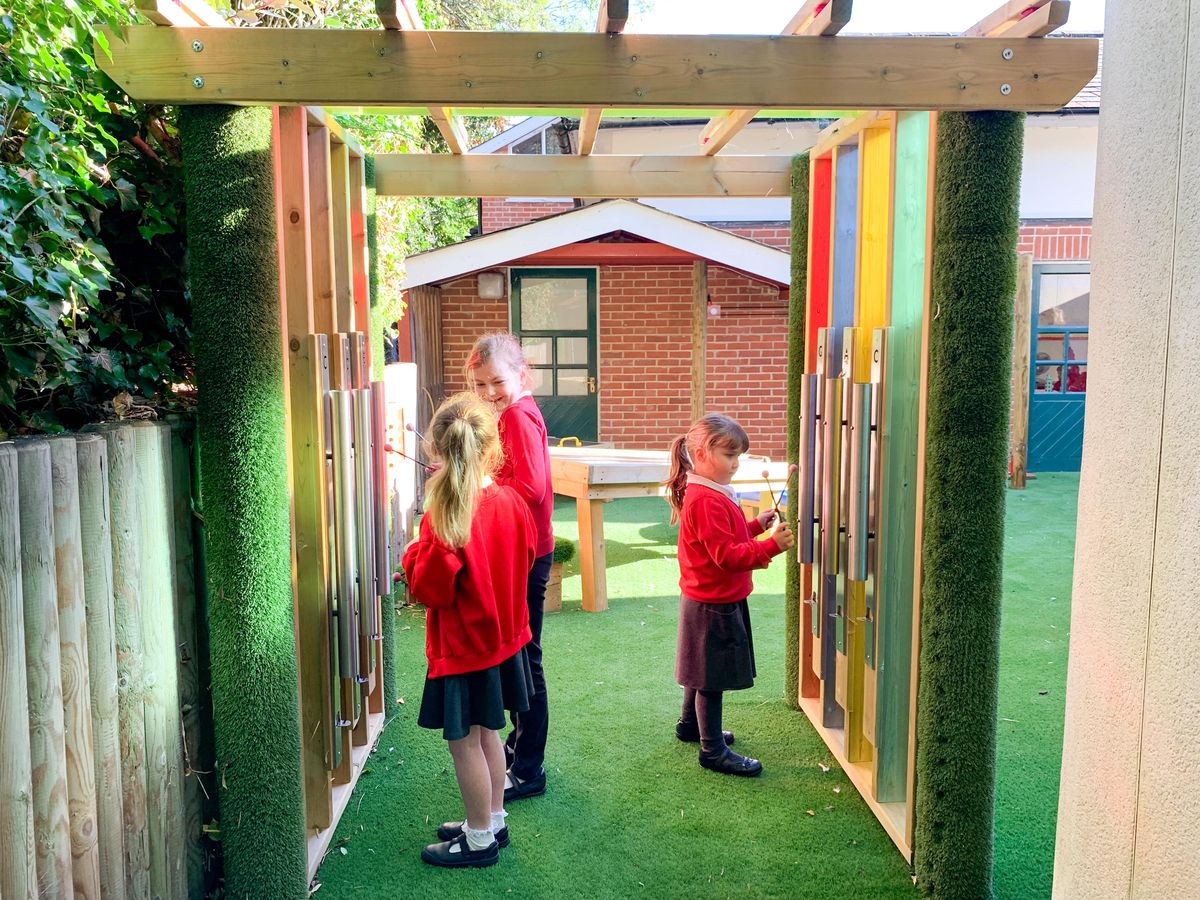
Because the IMF is allocated to schools as a whole, rather than according to individual diagnoses or EHCPs, schools should check their own allocation rather than assume that all schools will receive the same amount.
For most established schools, the calculation as to how much they will receive from the IMF uses pupil numbers from the October 2025 school census and the relevant low-prior-attainment data. Funding is paid through local authorities for maintained schools, and directly to academy trusts.
8. How Can Schools Spend their IMF Allocation?
The funding is to help schools build an inclusive core offer and deliver evidence-informed approaches that meet the needs of their pupils. It’s meant for building capacity in mainstream education so that children can receive appropriate support earlier and, wherever possible, closer to home.
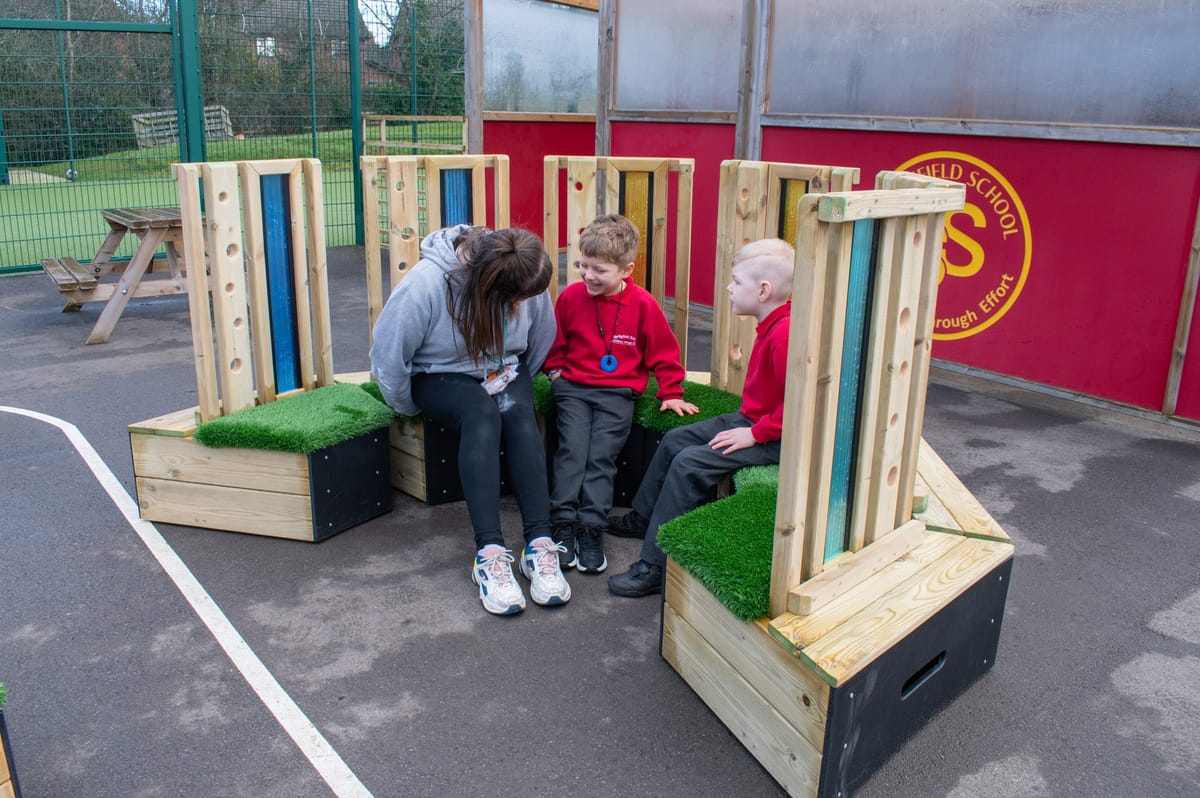
The DfE requires schools to spend their allocation on evidence-informed, whole-school activities that align with seven core principles of inclusion:
- Leadership and governance - Embedding inclusion in school planning and decision-making.
- Early intervention - Providing evidence-based support at the right time.
- High-quality teaching - Developing adaptive teaching, an accessible curriculum and staff training.
- Provision beyond the classroom - Ensuring children can access enrichment, personal development and opportunities to build independence.
- A safe and respectful culture - Promoting belonging, wellbeing and attendance.
- Partnerships with families and wider services - Improving communication, collaboration and support during transitions.
- Inclusive environments - Improving accessibility and creating classrooms that meet a range of sensory and learning needs.
For primary schools, this could mean investing in staff training, strengthening targeted interventions, improving classroom environments, developing accessible resources and allowing staff more time to work with families.
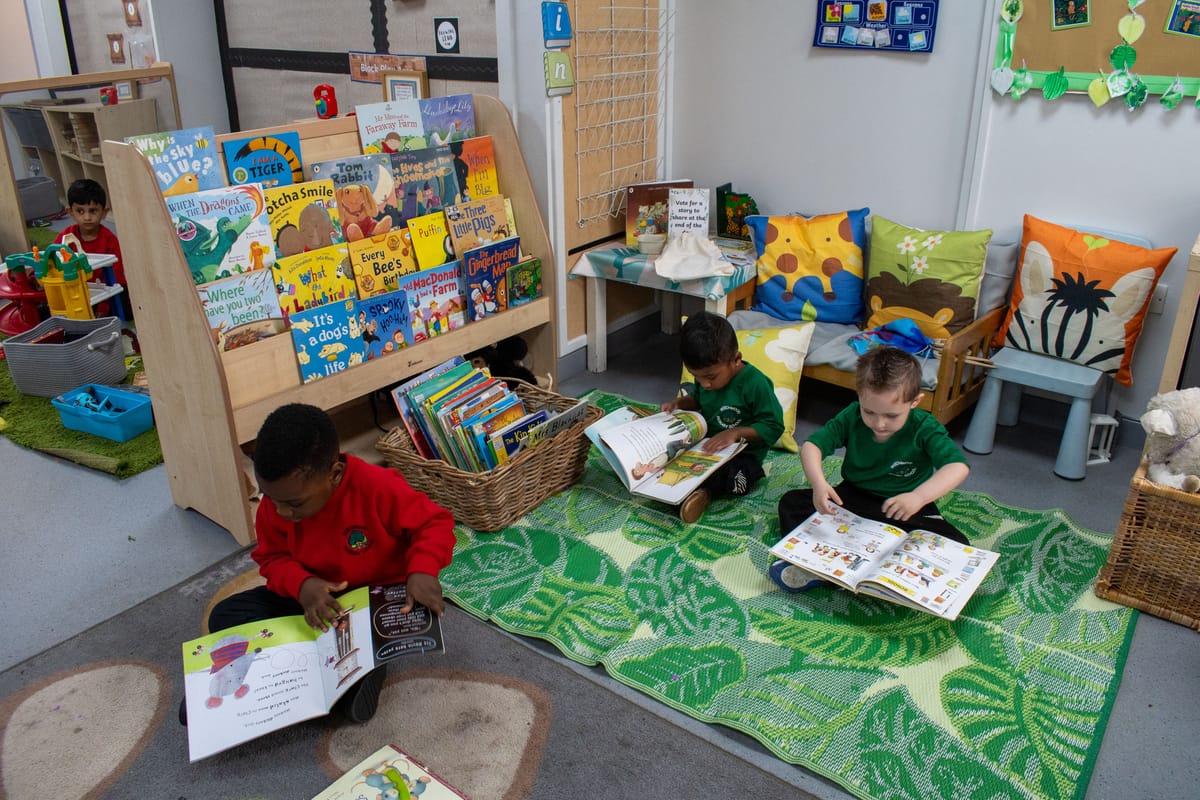
Remember that the funding is not a personal budget for individual pupils, so schools should consider their overall needs and decide how best to allocate the funding alongside their existing budgets.
The DfE's Inclusive Mainstream Fund: methodology for 2026 to 2027 provides more detailed funding information, including the permitted uses of the grant and accountability arrangements.
9. Dispute Resolution and Parents’ Rights
SEND support can at times be emotional and complex. The reforms are intended to try to balance accountability with practical resolution, and the government has proposed changes to how disagreements are addressed.
However, the publication of a white paper does not, by itself, change existing parental rights or remove current statutory processes. The SEND Tribunal remains part of the existing system, and families' current legal protections continue to apply unless and until the relevant changes are made.

At the same time, stronger mediation and complaints processes are intended to help resolve issues earlier and more collaboratively. For now schools should continue to communicate with parents, involve them in decisions about their child's support and follow existing legal duties and procedures.
Working With the Timeframes - No Overnight Change
It’s important to know that the proposed wider SEND reforms are not happening instantly. The consultation on SEND Reform: Putting Children and Young People First closed in May this year, and the government is reviewing responses before publishing its response and next steps.
The wider reforms are expected to be phased in over several years, with significant changes to EHCP arrangements anticipated from around 2030 onwards. The precise details will depend on the government's decisions and subsequent implementation guidance.

For primary schools, the priority is to understand what is required now, publish their Inclusion Strategy by 31 December, make good use of the funding available, and keep up to date with further announcements.
The Pros and the Cons - Opinion
Opinions on the reforms within the sector are divided. Not everyone has welcomed them and there’s quite a bit of controversy and concern bubbling up in the media already.
A common line of criticism has been about the workload and resourcing burden that the new system places on mainstream schools, and how they will manage this alongside existing responsibilities.
The Inclusive Mainstream Fund gives schools a more immediate opportunity to invest in inclusive practice - however, questions remain about whether the funding and specialist support available will be sufficient to meet the level of need.

Pepe Di’Iasio, General Secretary of the Association of School and College Leaders, told The Guardian that while the plans were “certainly necessary and seem sensible”, they also represented “a huge ask on mainstream schools” and risked adding to already high stress and workload levels for staff.
Campaign groups have warned that moving away from EHCPs for some children could weaken parental rights and legal protections. The Independent Schools Council's CEO, Julie Robinson, said the government's proposals “lack essential detail” and urged ministers to provide clarity so that families relying on specialist support aren't left in the dark.
These voices reflect wider anxiety in the sector that, even with good intentions, the reforms could leave some families feeling uncertain about how support will work in practice.
Not all opinions have focused on concern however - there’s been quite a bit of praise too, especially around the ambition and funding behind the changes. Dame Rachel de Souza, Children’s Commissioner for England, said:
Children with additional needs and their families deserve clarity, so I welcome this commitment for a system that wants to prioritise children’s rights — instead of one that has failed them for far too long.
Organisations in the sector have also sounded upbeat - the Royal College of Speech and Language Therapists described the plans as recognising the ‘vital role that speech and language therapists play’ and welcomed the £1.8 billion Experts at Hand programme that aims to bring specialist support into schools more reliably. Paul Whiteman, General Secretary, National Association of Head Teachers, said:
We welcome the publication of the government’s white paper, and are optimistic that it contains the foundation of a successful new approach to education and support for children with SEND… We are pleased to see new money committed to the plans and ambitions to expand support services.
Here at Pentagon Play, we will be keeping our eyes and ears open as developments within the new SEND reforms continue.
With over 25 years’ experience creating playgrounds across the UK, inclusivity is baked into our design philosophy and how we work with schools and nurseries.

We design spaces where every child can play, explore, learn and develop, no matter their ability or background. We are committed to providing sensory-rich, socially engaging and physically accessible outdoor learning environments that allow children to interact at their own pace and feel genuinely included in playtime.
Contact Us Here to find out more about how we can help your school to prepare for the new SEND reforms.