

EBSA (Emotionally Based School Avoidance) & Play

For an ever-growing number of children across the UK, the hardest part of the school day isn't a lesson or a test, but it's simply getting through the school gate to start the day! Emotionally Based School Avoidance (known as EBSA) affects children who genuinely want to attend school, but their anxiety around it has become too overwhelming to manage.
With the School Census 2025 reporting 1 to 5% of the school population have EBSA, this term is becoming increasingly recognised by educational professionals. However, even with this increase in recognition, many schools still tend to default to attendance policies that are built to combat truancy (which tend to increase anxiety in EBSA sufferers rather than resolve it.)
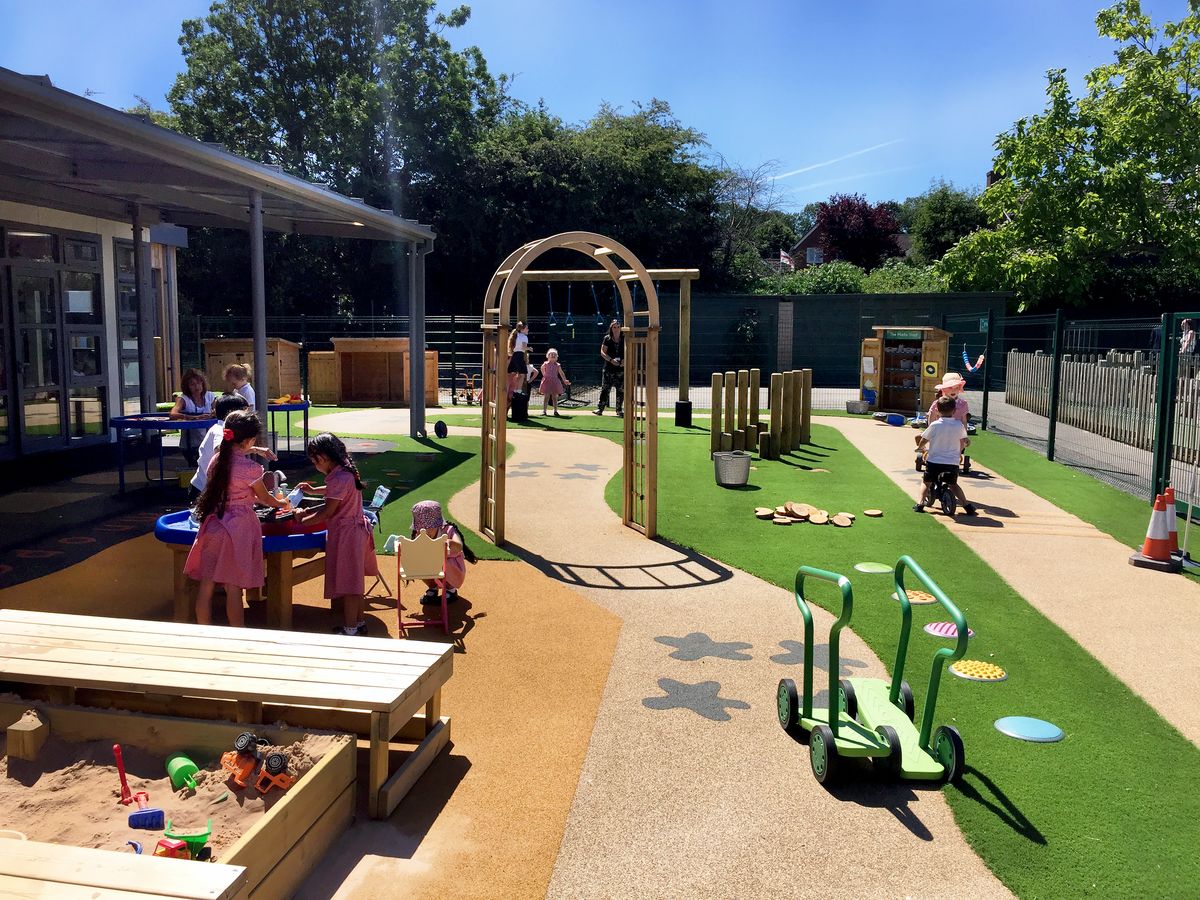
Interestingly, there is one tool that can be utilised by schools to help lower the demand of the school day and reduce anxiety in students. This tool is one of the simplest and most under-used elements, but what if we said it's already sitting in your playground?
Pentagon Play have reached out to hundreds of teachers around the local area and have compiled all the information we have gathered into this handy guide! We'll break down what EBSA looks like, why traditional strategies can backfire, and how play (structured, sensory and outdoor) can play a genuine role in supporting students back into school, at a pace that works for them!
Understanding EBSA (Emotionally Based School Avoidance)
First identified in 1932 by Isra Tobias Broadwin, MD, Emotionally Based School Avoidance (also known as EBSA or School Anxiety) is a term used to describe children who have a severe anxiety-driven inability to attend school, rather than a sign of defiance or disinterest.
You may still hear people refer to EBSA as the term ‘school refusal’, but this term is becoming increasingly seen as outdated and misleading, due to it framing the behaviour as a choice and not as the reality (which is pupils wanting to go to school, but are distressed by their own inability to get their.)
It's important to remember that this term can be used to describe both neurotypical and neurodivergent children, but it's more prominent in the later. In addition, EBSA sits on a spectrum, meaning the severity and the signs are different from child to child.
Wherever the child sits on that spectrum, the same underlying principle applies to all children and young people experiencing EBSA: you need to focus on reducing the emotional demand of the school day, rather than increasing pressure to attend!
This principle is exactly why play, and specifically the lower-pressure and more autonomous nature of outdoor and sensory play, has such a meaningful role to play in supporting these students (something we'll come back to throughout this guide.)
Recognising the Signs of EBSA in Children and Young People
EBSA rarely announces itself outright, as it rather tends to build gradually. Often showing up as physical complaints or behaviour changes first, School Anxiety can be really difficult for a child or young person to identify and deal with.
This is why it's so important that parents and carers, the school community and even other students are educated on signs of EBSA and what to do when these signs show themselves.
Physical and Emotional Signs of School Anxiety
After speaking to multiple SENCOs, support services and specialist schools, below are the most common signs that a child might be dealing with EBSA:
- Stomachaches
- Headaches
- Nausea
- Feeling Faint
- Tearfulness
- Irritability
- Clinginess
- Sudden mood swings
Even though these symptoms may ease over half-terms and weekends, it's still important to acknowledge that when the school week begins anew, the anxiety skyrockets back up, causing these symptoms to increase in severity. It's often described that children who suffer with EBSA tend to get caught in a cycle of anxiety, and without intervention, the cycle can continue to get worse.
This cycle is one of the clearest indicators that anxiety is driving the avoidance, rather than illness or truancy. In more severe cases, a pupil might become withdrawn, refuse to leave the house, or experience panic-like symptoms at the thought of attending school. This is why it's so important that everyone involved with the school is educated on EBSA, as it can have a wide impact!
How EBSA Overlaps with SEND, Autism and Sensory Needs
Just like we mentioned before, EBSA doesn't exist in isolation from other needs. In fact, pupils with special educational needs and disabilities are at a significantly increased risk of experiencing it. Children with the following SEND are at a higher risk:
- Autism
- Students with sensory processing difficulties
- PDA (Pathological Demand Avoidance)
- ADHD (Attention Deficit Hyperactivity Disorder)
- SEMH (Social, Emotional, and Mental Health needs)
A child or young person may experience challenges such as finding the unstructured, sensory-heavy, socially demanding school environment particularly overwhelming if they have SEND and EBSA. If left unsupported, this can lead to emotional distress, and finally full-blown avoidance.
Recognising this overlap matters practically too. Strategies that work for reducing sensory and demand-related anxiety elsewhere (as covered in our PDA guide) are often just as effective for supporting pupils with EBSA.
Why Traditional Attendance Approaches Can Backfire
Let's face it. As you're going through the register, there's probably a few names that you always notice are absent from school. Instinctively, you decide to inform the admin team about these absences and the team send formal attendance meetings, fixed penalty notices or firm "must attend" messaging at the families of the absent child.
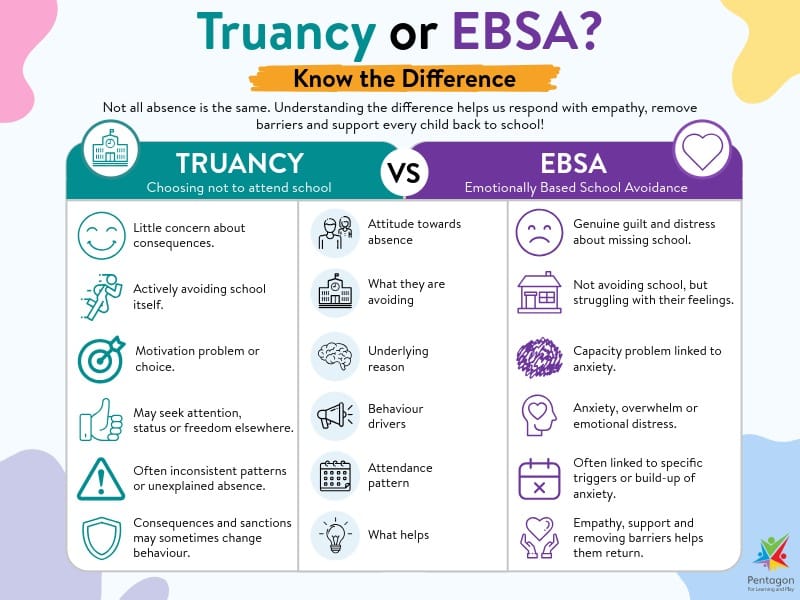
For children who are avoiding school due to truancy, this kind of pressure works like a charm. However, if the children have EBSA, this approach can often make things a lot worse.
As we keep saying, EBSA has nothing to do with motivation, but rather it's a capacity problem. Adding pressure, warnings and consequences doesn't address the underlying anxiety. All it does is add another layer of demand on top of a system that's already overwhelmed. The end result of this is often a child who becomes:
- More anxious
- More avoidant
- More prone to the development of physical symptoms
- More prone to shutdowns at the mere mention of school
As a result of these developments, not only do the feelings of anxiety negatively impact their academic progress, but families can often feel blamed or judge by attendance processes designed around truancy, rather than the school reaching out to help families who need additional support with EBSA.
This is why the most effective response to EBSA looks completely different from a standard attendance intervention. Instead of asking "how do we get this child into school", the better question to be asking is "what's making school feel unmanageable right now, and how do we reduce that?" It's the same re-frame that underpins effective PDA support, and it applies just as directly here.
The Role of Play in Supporting Children with Emotional Based School Avoidance
Lowering the emotional demand of school without lowering the child's presence in it, play is one of the best tools that can be used by schools to combat EBSA in an effective and beneficial manner. Unlike most reintegration tools which focus on managing what a child has to cope with, play focuses on giving them something to actually look forward to.
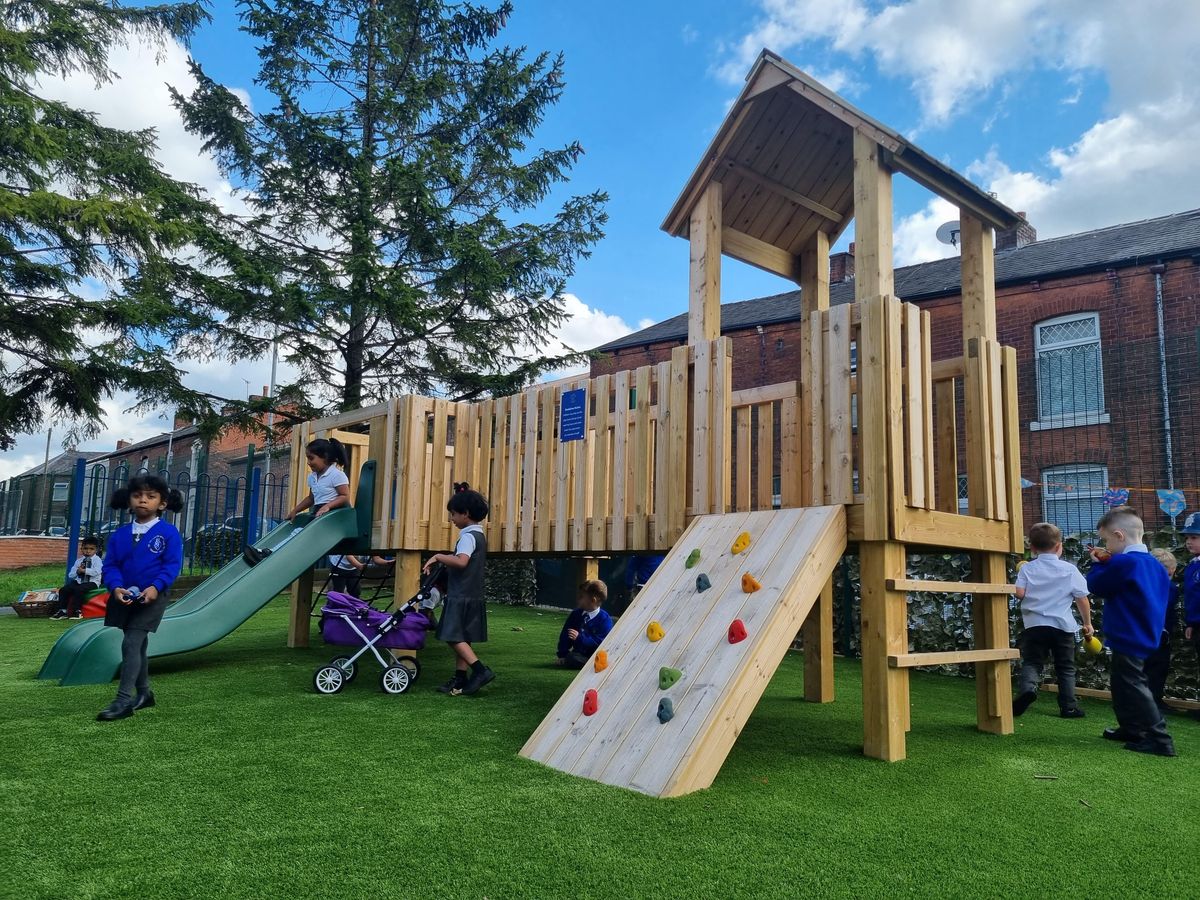
That distinction matters more than it might seem! A reintegration plan built entirely around minimising difficulty can still feel like something being endured, whereas one that includes genuine enjoyment (such as play) gives a child a reason to want to be there. You're not forcing them through threats or consequences, but you're enticing them through something they love.
Why Play Reduces the Emotional Demand of the School Day
Unlike lessons, play is rarely instructed. With no right answer, no social script to follow and no fixed outcome to meet, play is often one of the few parts of the school day that doesn't add to a child's anxiety. For pupils who are already stretched thin by the social and academic demands of school, that absence of pressure is massive!
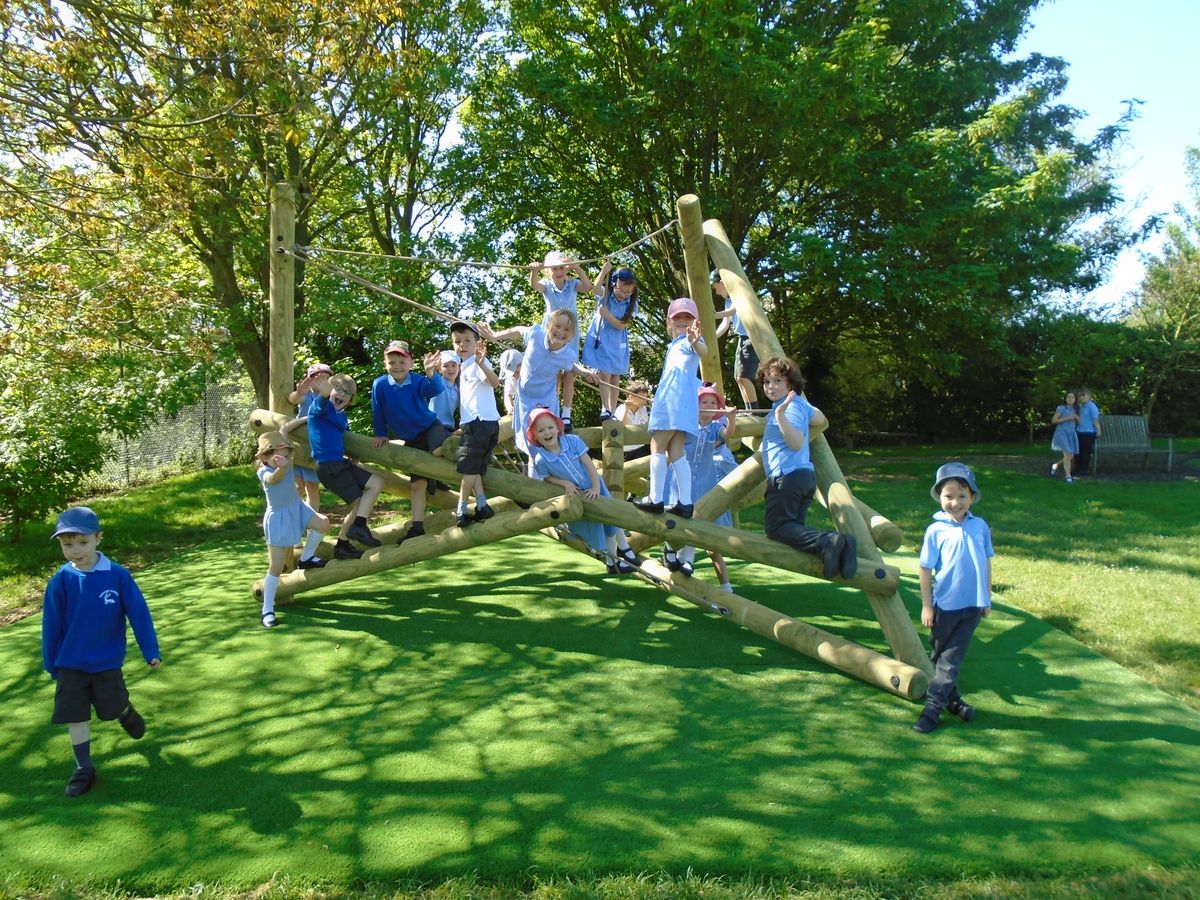
Play also offers a level of choice and autonomy that the rest of the school day often doesn't. A child can choose what to engage with, for how long, and at what pace, which mirrors the same "reduce the sense of demand" principle that underpins effective PDA support too.
Using Outdoor and Sensory Spaces as a "Safe First Step" Back Into School
Outdoor and sensory play spaces can act as a low-pressure entry point during reintegration, allowing the child with EBSA to enter a space on-site to be engaging positively, whilst not facing the full demands of the classroom straight away. Not only this, but a child who's been out of school for weeks or months is unlikely able to cope with a full timetable on day one, but a short session in a familiar sensory space or on a favourite piece of outdoor play equipment is a far more manageable step!
It gives staff a genuinely low-stakes setting to reconnect with the pupil, rebuild trust and gently gauge how they're coping, without the pressure of a classroom environment sitting on top of an already difficult return. Through this, the school staff can make a big difference on the children and their families, helping to reduce the levels of anxiety and improving well being.
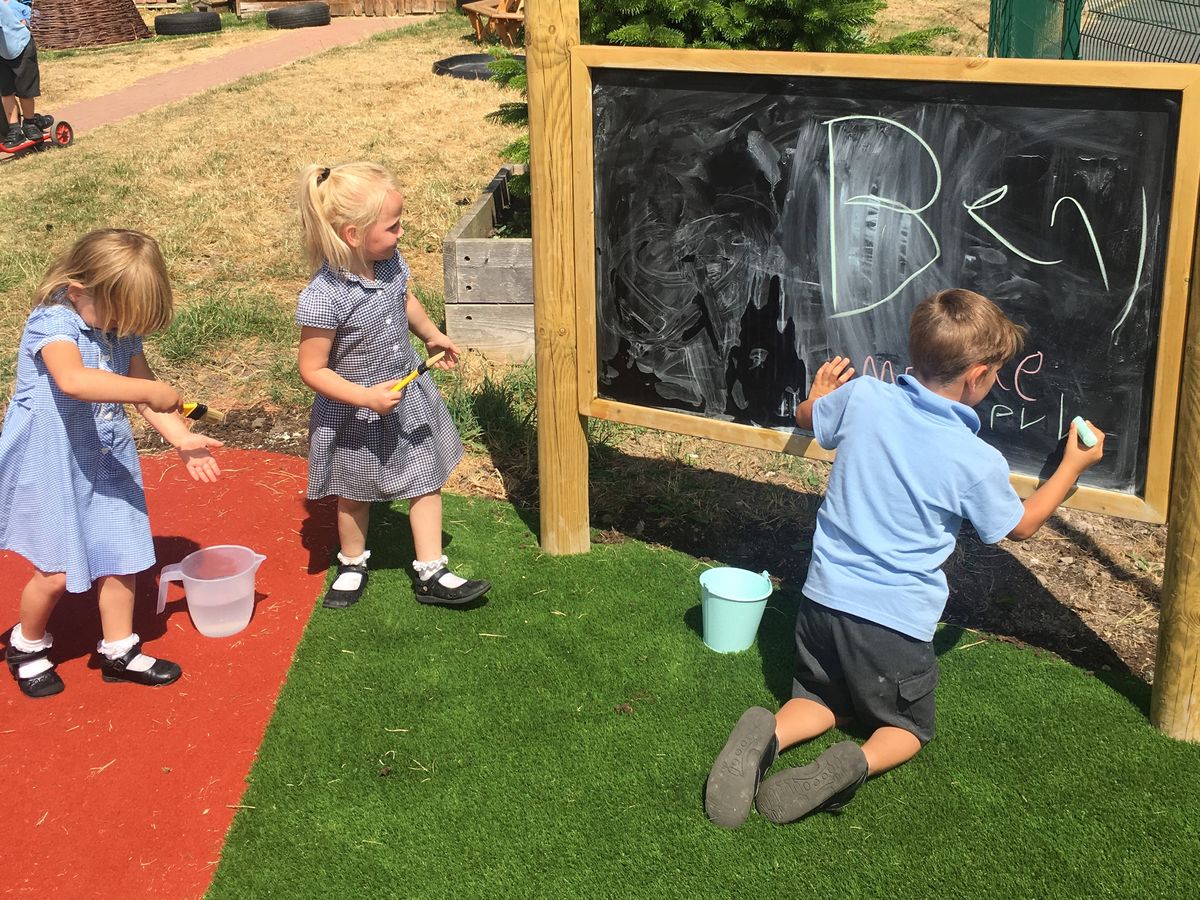
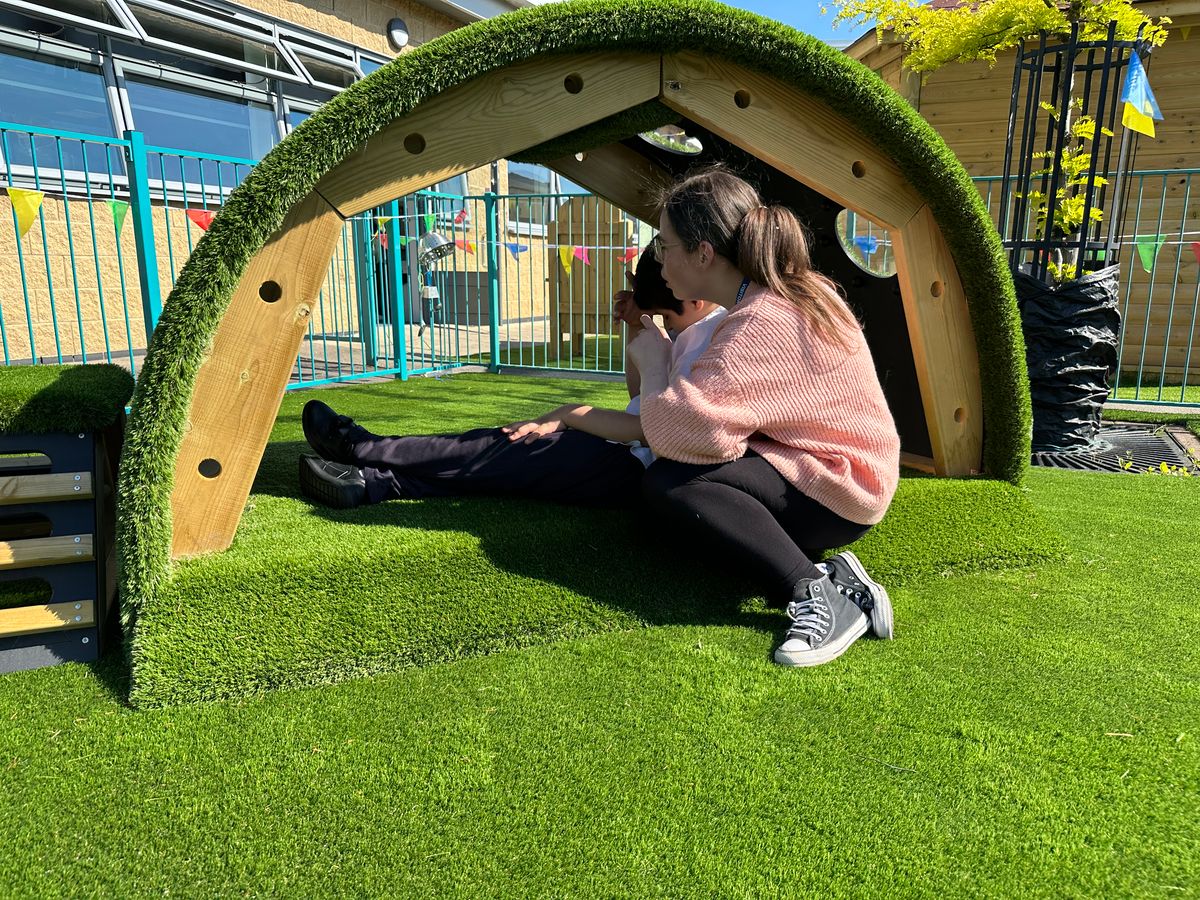
Equipment like the Wind Farm Sensory Spinners package makes for a fantastic addition to any play space looking to support students with EBSA. From touch to sound spinners, these pieces of sensory play equipment are a great way to help with sensory regulation and have time to better understand their feelings in a safe and well-crafted environment.
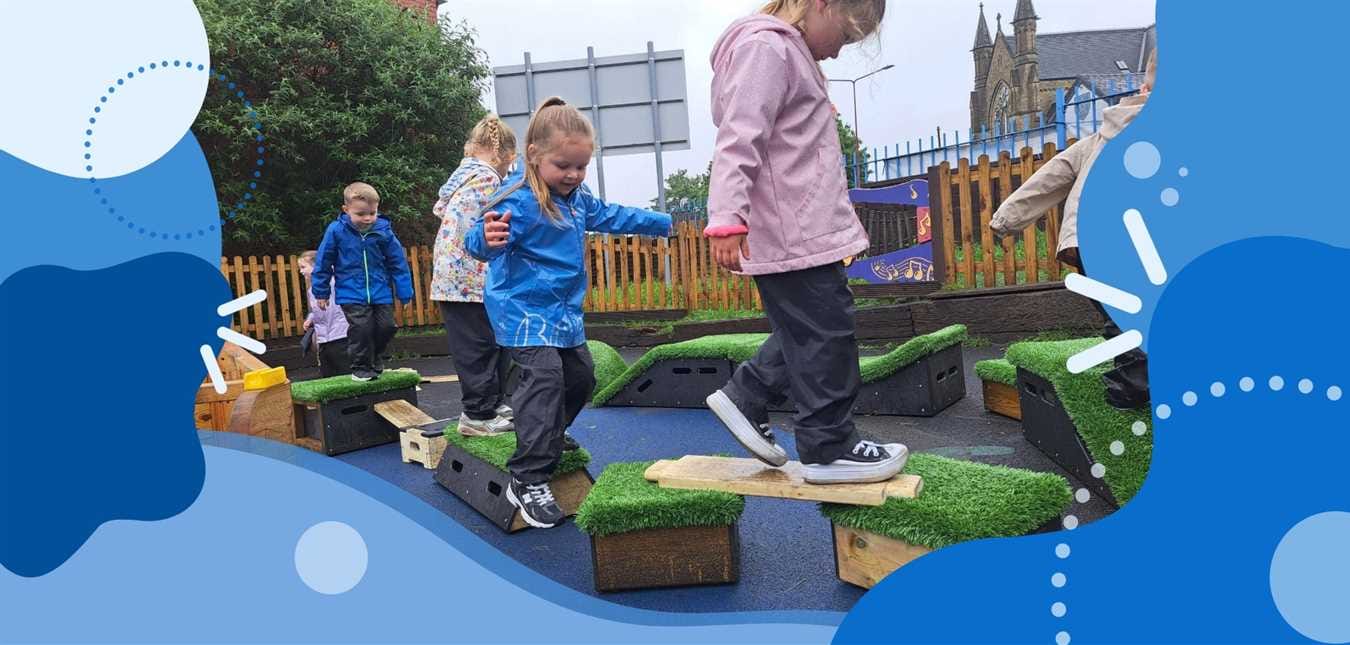
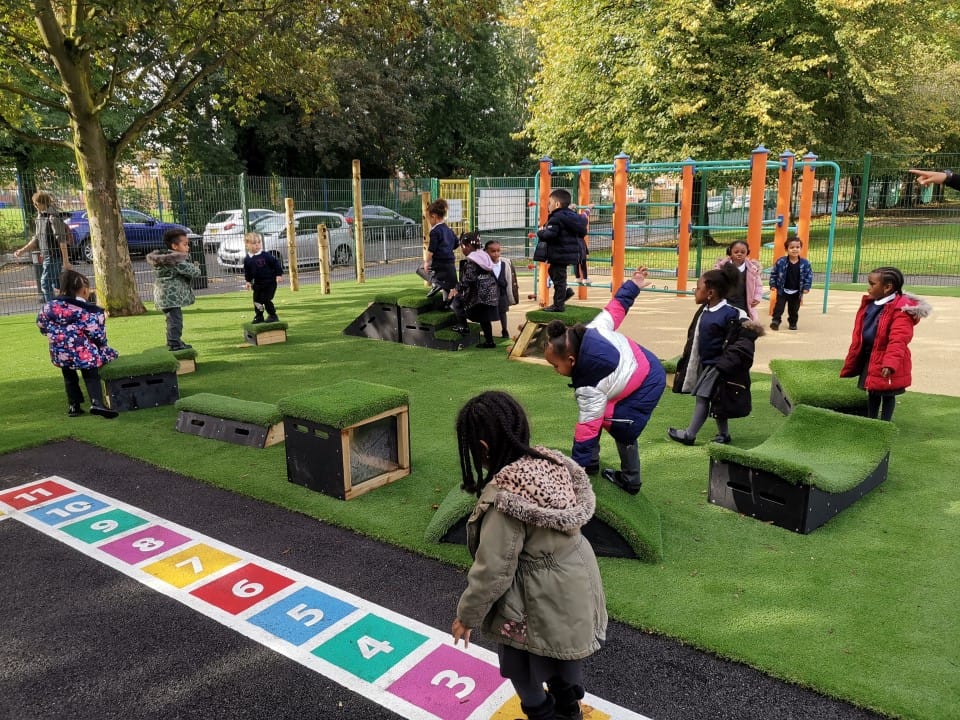
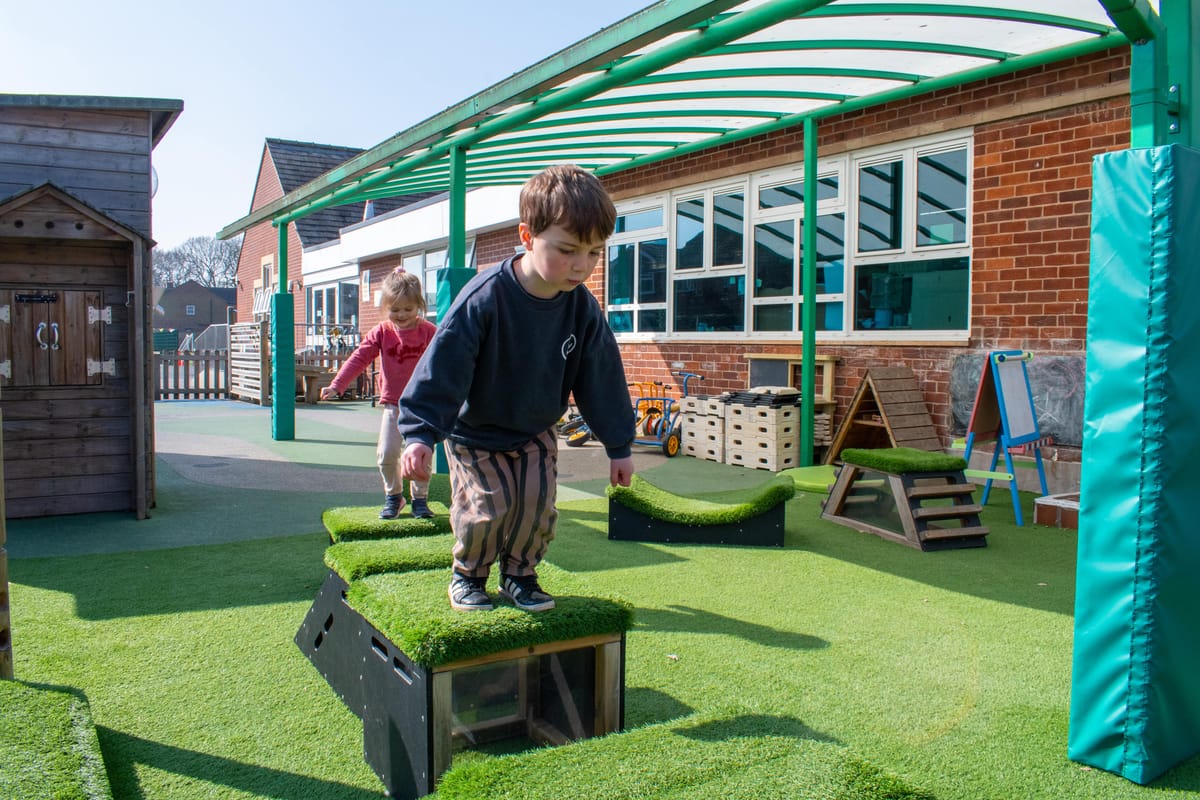
Another great piece of play equipment is the Pennine set of the Get Set Go blocks. Due to it's freestanding nature, this equipment can help children establish healthy behaviours and routines by creating their very own obstacle courses and traversing them. Whether it's older or younger children, the blocks are the perfect fit for children of any age and ability.
Building Positive Associations with School Through Play
Every successful, low-stress moment at school helps to rebuild a positive associate with being there. For a child whose recent memories of school are dominated by anxiety, that matters massively! Over time, these small, genuinely positive experiences accumulate, and it's that accumulation that tends to make full reintegration feel achievable rather than threatening.
The key takeaway is: if a school aims to treat play as a core part of an ESBA support plan, rather than an incidental break in the day, they will often see reintegration progress move more steadily!
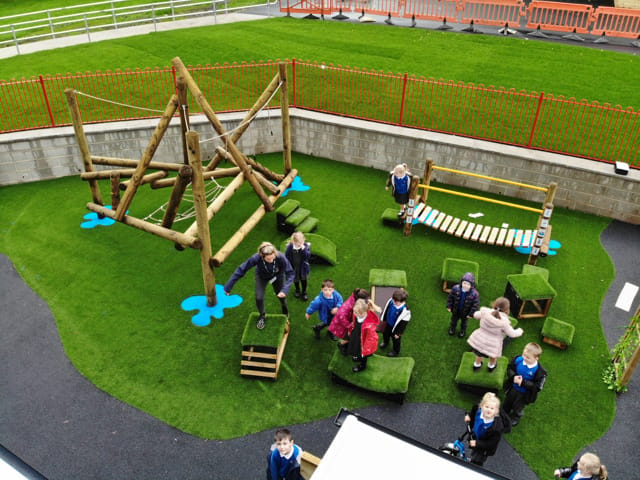
In terms of play equipment, the aim is to find equipment that offers a challenge, but doesn't push the child too much. A great example is the In-Out Shapes by Pentagon Play. Designed to mimic simple shapes, the equipment allows children with low mood and self-esteem to explore the shapes in an active and engaging way. Whether they climb the shapes, move them around or adapt a collaborative approach with other students, these shapes allow children with EBSA to feel in control.
Practical EBSA Strategies for Schools
To support a pupil with EBSA, it's always best to follow a clear, collaborative framework rather than ad-hoc decisions made in the moment. Most local authority educational psychology services recommend an Asses-Plan-Do-Review approach, and it's worth structuring your response around this, even informally.
Gradual Reintegration Using the Assess–Plan–Do–Review Framework
Below is a breakdown of this framework and how each step should work:
- Assess: what's actually driving the avoidance? Is it social, sensory, academic, or even a combination? Try involving the pupil, their family and relevant staff to build a fuller picture than guessing.
- Plan: create a realistic, staged return. This is rarely a single "back to full-time" step, but a gradual build using shorter days, part-time timetables, or specific low-pressure sessions first.
- Do: put that plan into action consistently, with the same trust adults involved wherever possible, since unfamiliar staff or settings can undo progress quickly.
- Review: regularly and honestly. If a step isn't working, scale back rather than rushing through, and treat setbacks as information rather than failure.
By following this framework, your school will be able to create a network of support, as well as an easy-to-digest schedule that will allow the child to gradually return to school without the risk of prolonged absences from school reoccurring.
Involving Play in a Child's Reintegration Plan
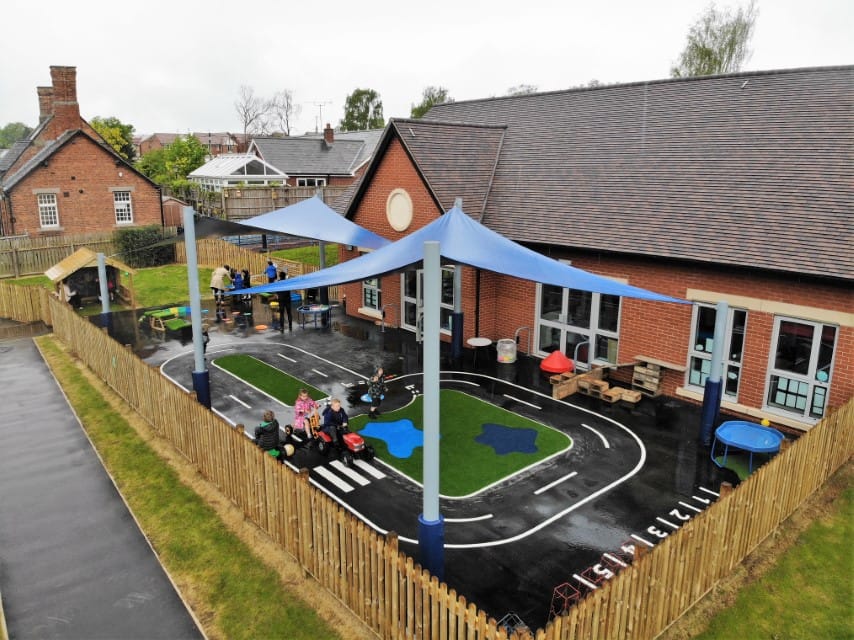
The best part of play is how easily it can be placed within the APDR framework, especially at the "Plan" and "Do" stages. Building specific play or outdoor sessions into a reintegration timetable gives a returning pupil something genuinely enjoyable to look forward to, rather than a day that's entirely about catching up or complying.
It also gives staff an easy, low-stakes way to check in on how a child is coping, since behaviour during unstructured play often reveals more about a pupil's anxiety levels than how they're managing in class!
Final Thoughts on EBSA and the Power of Play
Supporting a pupil with EBSA isn't about pushing them harder or enforcing attendance more strictly, but it's about recognising that the anxiety is real, and building a way back into school that respects it rather than fights against it.
Play has a genuine, practical role in that process. It gives children something to look forward to rather than something to endure, and every low-pressure, positive moment spent in a sensory space or on familiar outdoor equipment helps rebuild the association between "school" and "safe" that EBSA can so easily break down.
None of this replaces the wider support a pupil with EBSA needs. Collaborations between school, family and, where possible, an educational psychologist remains essential parts of tackling EBSA. But alongside that support, play is one of the simplest, most accessible tools schools already have.
If you're looking to build a quiet zone, breakout space or sensory area to support your school's EBSA and wider SEND provision, check out our fantastic SEN range of play equipment, or get in touch with the Pentagon Play team to see how we can help. From specialist EBSA advice to general SEND knowledge, our team of experts are excited to help you create the perfect inclusive play space!