

ADHD Movement Breaks in Primary School: A Practical Guide!

One of the best pieces of advice I ever heard a nurse working in the Child and Adolescent Mental Health Service (CAMHS) giving to a child with ADHD - who was suffering with severe headaches by the end of the school day and experiencing emotional outbursts when they got home - was this:
You need to let your body move more during the school day, and we need to make sure that your school can accommodate this.
The difference to that child, their progress and wellbeing, once some simple accommodations for movement had been put in place, was remarkable.
Children with ADHD - some with a formal diagnosis, others on waiting lists, and many whose needs are still emerging - are very often the pupils who bring the most energy, creativity, curiosity and big thinking into primary school classrooms across the UK.
They may experience differences in attention, impulse control or sensory regulation, but they also contribute enthusiasm, spontaneity and fresh perspectives that enrich school life.

For headteachers and SENDCos who really understand their needs, the focus is not on ‘managing’ children with ADHD, but on shaping environments and routines that harness their strengths and support them to flourish alongside their peers.
One highly effective, evidence-informed strategy is the use of short, structured movement breaks between lessons. Not lunch. Not scheduled PE. But intentional, brief bursts of physical activity woven into the school day.
When thoughtfully designed and embedded into school routines - particularly through the creative use of outdoor environments - movement breaks can transform engagement, behaviour and wellbeing for children with ADHD and related sensory needs.
Why Movement Matters for Children with ADHD
ADHD is characterised by persistent patterns of inattention, hyperactivity and impulsivity. Neurologically, it is associated with differences in executive functioning, working memory and self-regulation.
Many children with ADHD also experience sensory processing challenges, meaning they may be under-responsive or over-responsive to sensory input.
Research consistently demonstrates that physical activity has a positive impact on attention, cognitive functioning and behavioural regulation. Studies have found that acute bouts of exercise improve executive function and attention in children with ADHD - that physical activity enhances concentration and on-task behaviour in school.
Appropriate exercise intervention can not only boost sensorimotor skills, but also increase self-confidence, and improve children’s communication and social interaction abilities.
Both single-bout and long-term exercises can improve blood flow to the brain, enhance information processing capacity and attention, decrease impulsiveness, and increase inhibitory control (which in turn improves interpersonal relationships).
It stands to reason then, that for many children, movement is not a ‘break from learning’ - it is a prerequisite for learning!
When children are required to remain seated for extended periods, particularly in some of the more cognitively demanding lessons, teachers will often see them struggling with:
- Reduced focus and increased distractibility
- Heightened restlessness or fidgeting
- Escalation in impulsive behaviours, and
- Emotional dysregulation
Short movement breaks can act as a regulatory reset, supporting pupils to return to the classroom ready to engage.
What Does a Movement Break Entail?
Simple!
A movement break is a short, structured opportunity (typically 5 - 10 minutes is plenty) for purposeful physical activity between lessons or during natural transitions in the school day.

In practice this could be, for example, a brisk walk around the playground, a few on-the-spot exercises such as star jumps, squats, lunges and stretches, or an opportunity to climb (stairs or stepping on and off balance blocks or beams).
Crucially, these are not meant to be unstructured ‘free play’ sessions, but intentional, planned opportunities to support sensory regulation and enhance readiness to learn by allowing children to:
- Gain proprioceptive and vestibular input
- Increase their heart rate and oxygen flow, and
- Release excess energy
For some children with ADHD and sensory processing differences, more frequent and shorter movement opportunities - rather than a single long playtime - can actually be far more effective.
Why Outdoor Spaces Are Key
While brief movement breaks can of course take place in classrooms, corridors or halls, outdoor environments offer distinct advantages.
Why?
Because they offer space for whole-body movement. Outdoor playgrounds and learning spaces allow for the larger, more dynamic movements - climbing, balancing, jumping, swinging - that provide rich proprioceptive and vestibular input. These forms of movement are particularly beneficial for children seeking sensory input.
Because they help to reduce sensory overload. Indoor classrooms can be acoustically and visually overwhelming, especially with their overhead lights and times of classroom chatter.
Outdoor environments often offer more space, natural light and calming sensory input - such as greenery and fresh air - which helps to support natural self-regulation.
Evidence points to the fact that exposure to natural environments can reduce stress and improve attention in children, and for pupils with ADHD, even brief periods outdoors may enhance concentration on return to class.
We all know the difference that a deep breath of fresh air can make when we’re feeling overwhelmed - it’s one of the biggest yet often under-rated benefits of the outdoor learning environment.
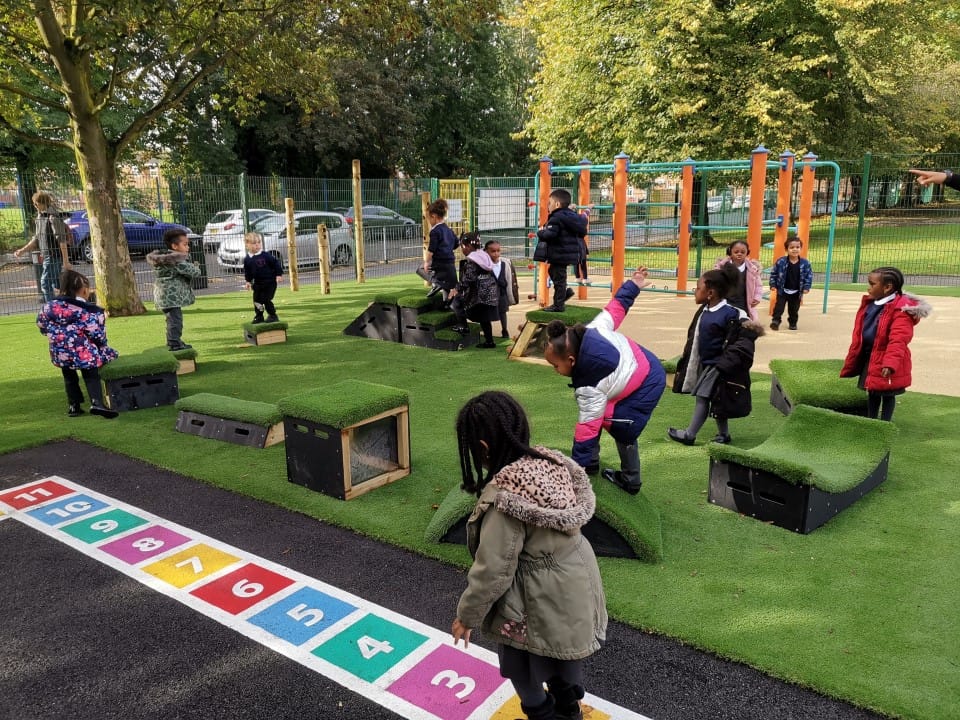
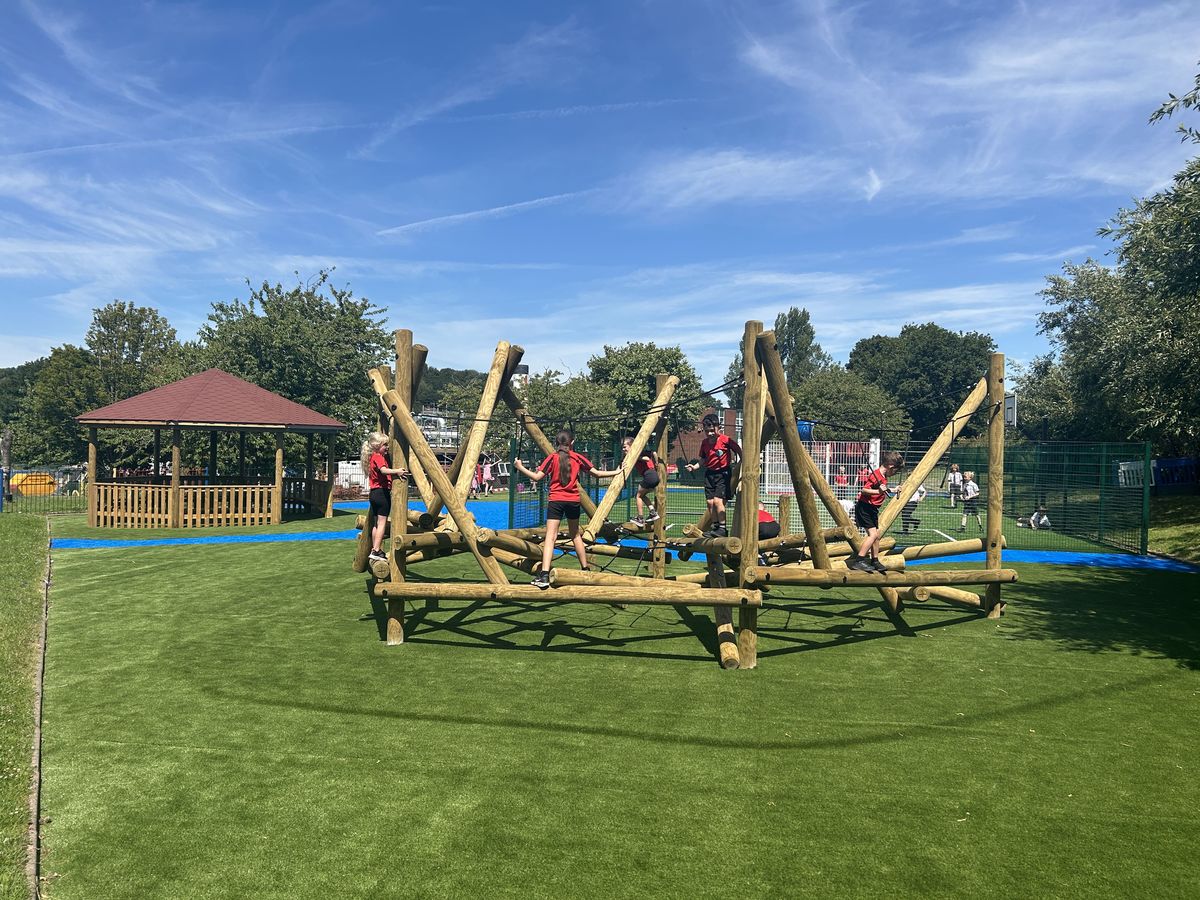
Because they provide many and varied opportunities for structured physical challenge. Thoughtfully designed playground equipment - trim trails, playframes, balance blocks, sensory circuits - can all offer structured physical challenges that engage both body and brain. This is where strategic investment in outdoor provision can make a significant difference.
Practical ‘Movement Break’ Strategies for Schools
For most headteachers, teachers and SENDCos, the question invariably comes down to this: “How can we embed movement breaks practically, effectively and sustainably?” Common concerns usually revolve around disruption, supervision, and lack of space.
Will movement breaks disrupt learning time? Not really, no. In practice, short movement breaks often increase overall productivity. 5 minutes of structured movement can prevent 20 minutes of low-level disruption and lost learning time.

Who is going to supervise movement breaks? Strategic zoning of playgrounds with clear lines of sight and clear routines minimise risk. Many movement activities can be completed within sight of classroom doors or in defined areas so there is no requirement for additional supervision.
Do we have enough outdoor space for this? Even small playgrounds can accommodate simple circuits, balance trails or wall-mounted sensory panels. Creativity and thoughtful design matter much more than scale.
Some or all of the following practical strategies can really help schools to implement movement breaks with ease:
1. Build Movement into the Timetable
Movement breaks are most effective when predictable and embedded into daily routines. Consider, for example:
- A 5-minute outdoor circuit between English and Maths
- A “movement reset” after lunch, before afternoon learning
- Short, timetabled sensory breaks for identified pupils
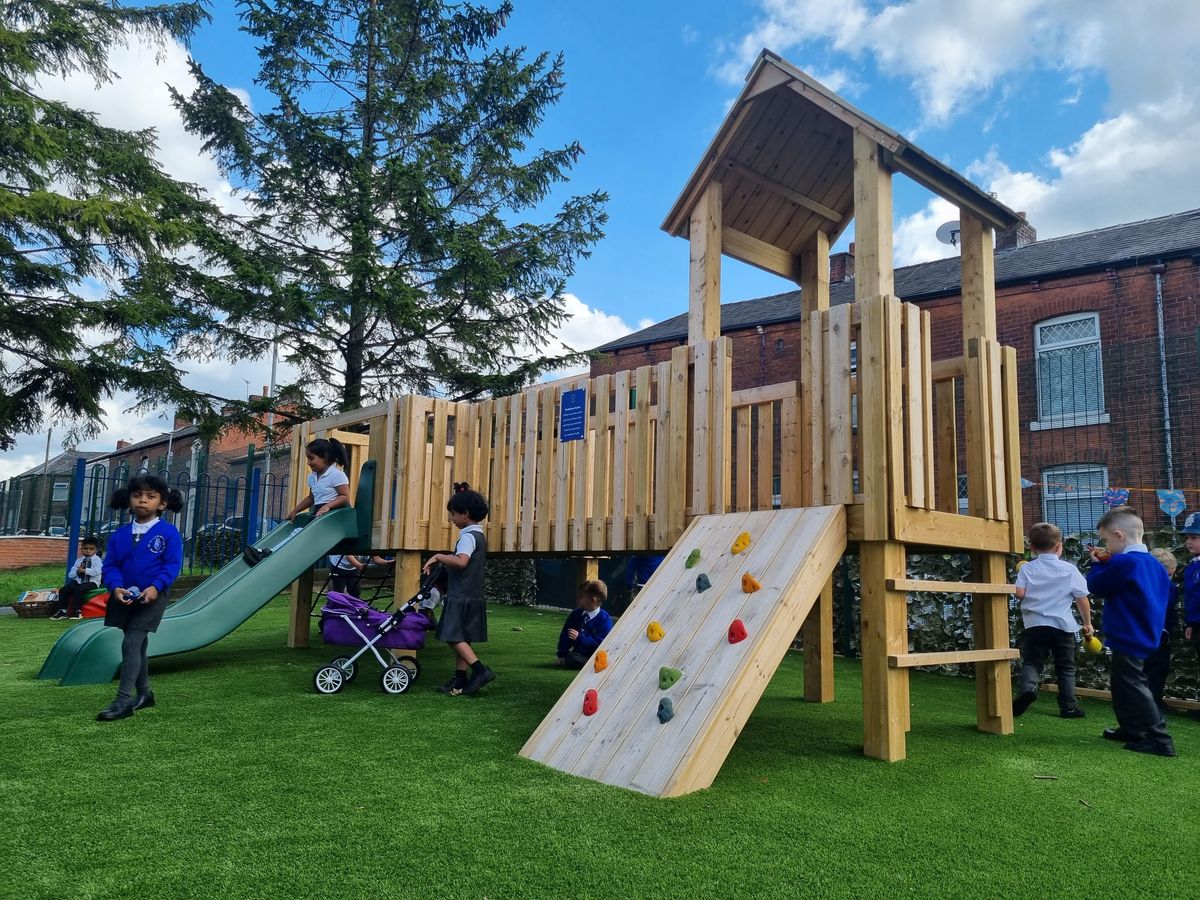
While some children may require individualised movement plans, with movement breaks forming part of their provision map, whole-class or small-group breaks are often preferable.
Universal movement breaks can benefit the whole class by reducing stigma, promoting inclusivity over isolation and supporting all learners with physical development.
2. Create Outdoor Sensory Circuits
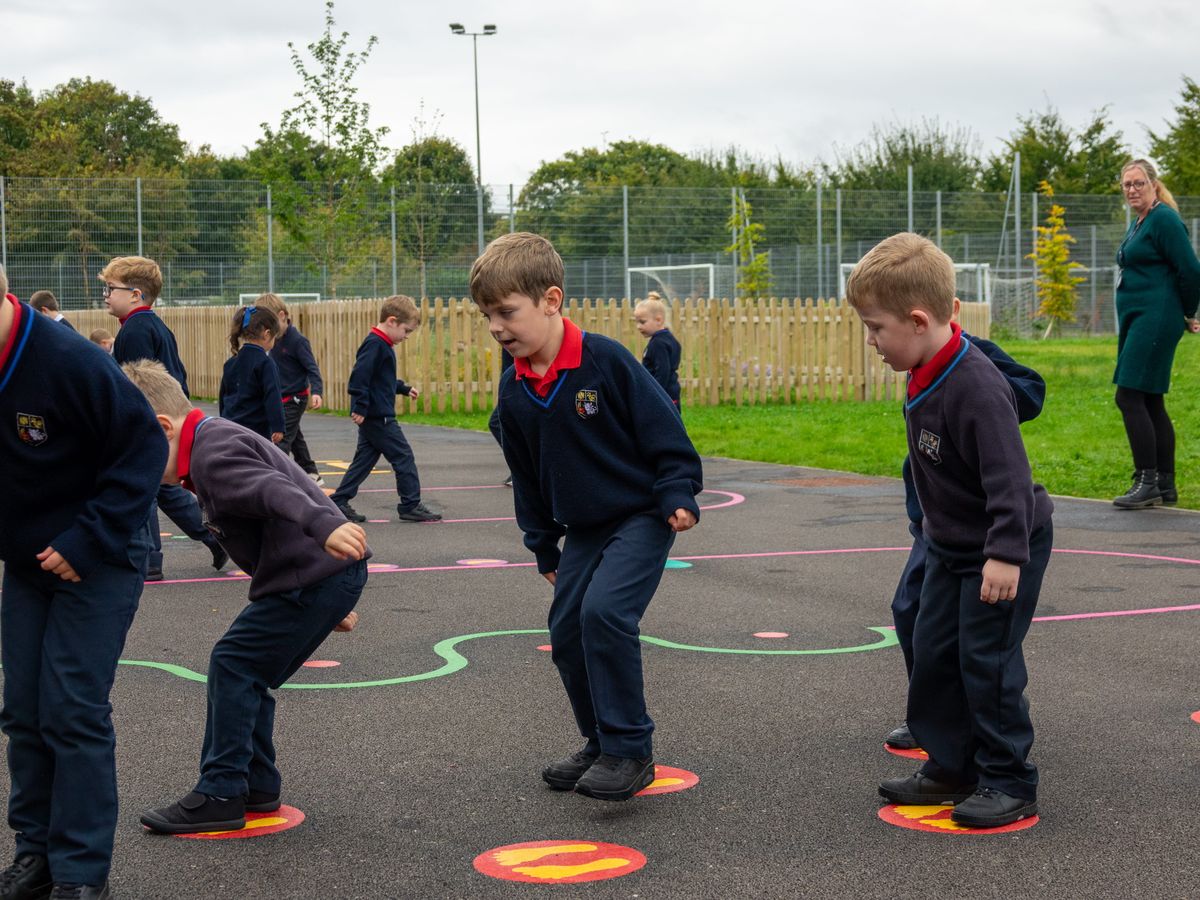
A sensory circuit is a short, structured sequence of physical activities designed to regulate arousal levels. Typically, it includes:
- Alerting activities - e.g. jogging, star jumps
- Organising activities - e.g. balancing, climbing, crawling
- Calming activities - e.g. deep pressure, slow movements

Schools can use playground markings, trim trails or climbing equipment to create simple outdoor circuits. Clear signage and consistent routines help pupils to move through the sequence independently. For children with ADHD, these circuits provide predictable sensory input that can improve readiness for learning.
See our Freestanding Active Play Equipment for creating flexible, moveable, open-ended sensory circuits.
3. Maximise Climbing and Balancing Equipment
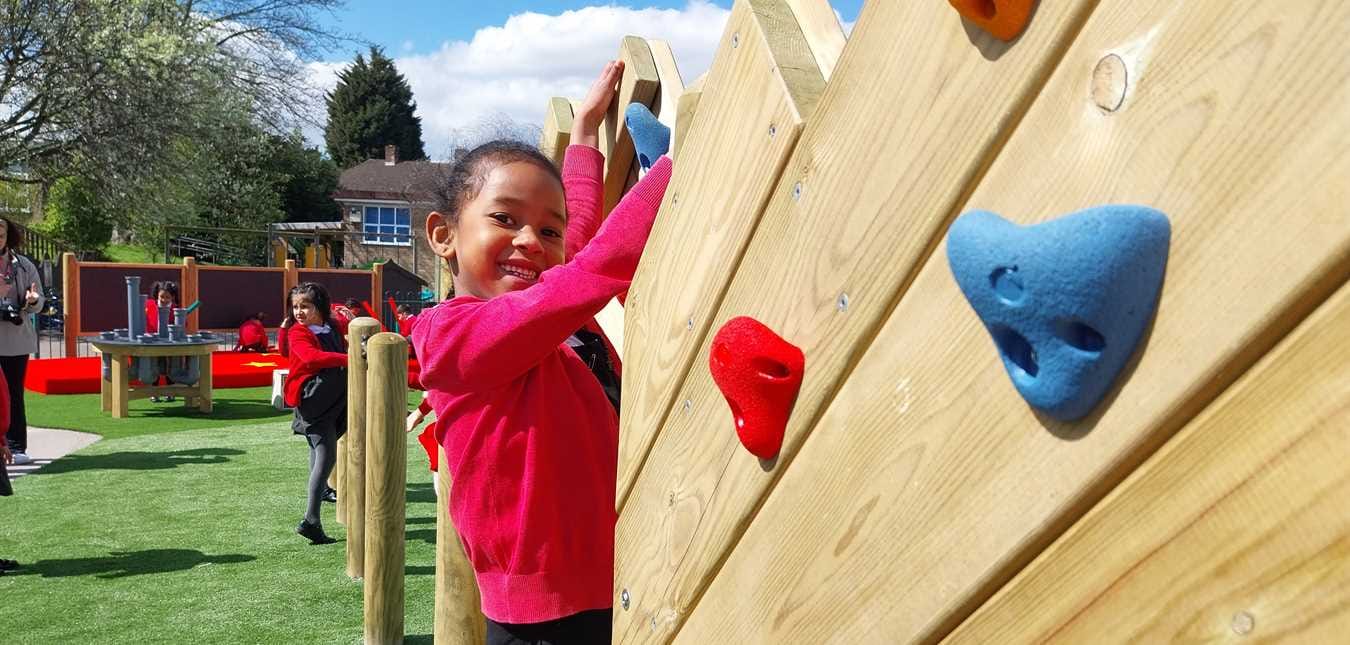
Climbing structures, monkey bars, balance beams and low-level obstacle courses are more than play features - they are powerful regulatory tools.
Climbing provides proprioceptive input through pushing and pulling, and a natural outlet for physical energy. Balancing equipment supports core strength and postural control, and improved concentration and body awareness.
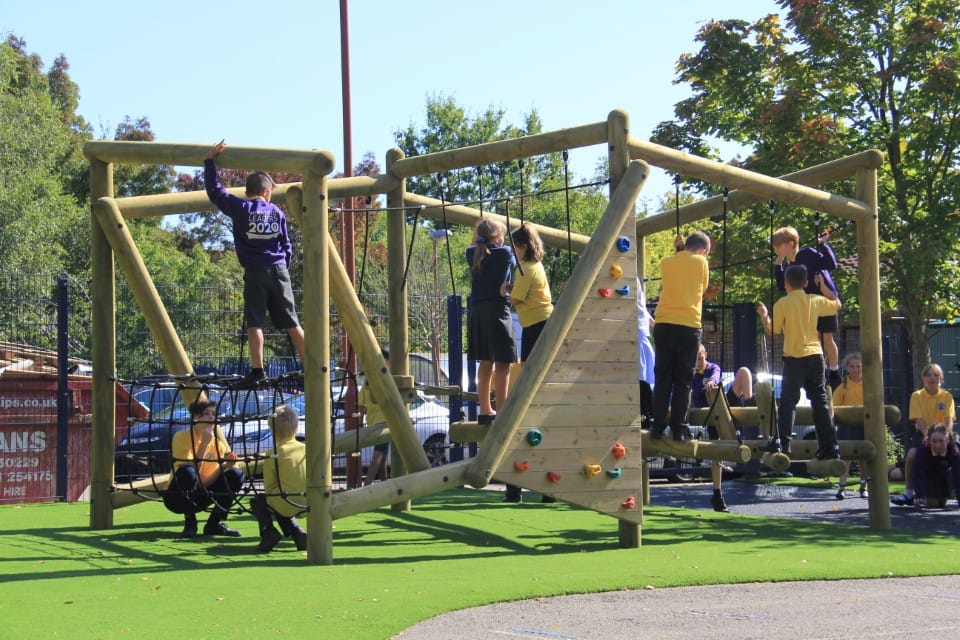
Short, supervised access to these features between lessons can significantly support children who struggle to remain seated for long periods.
4. Introduce “Movement Stations” Around the Playground
Rather than sending pupils out to ‘run around’ (which can be disorientating, overwhelming and counter-productive), consider creating designated movement stations:
- A skipping-rope/hula hoop/goal-shoot zone
- A climbing station
- A balance trail
- A quiet sensory area with tactile panels and/or plants to walk around
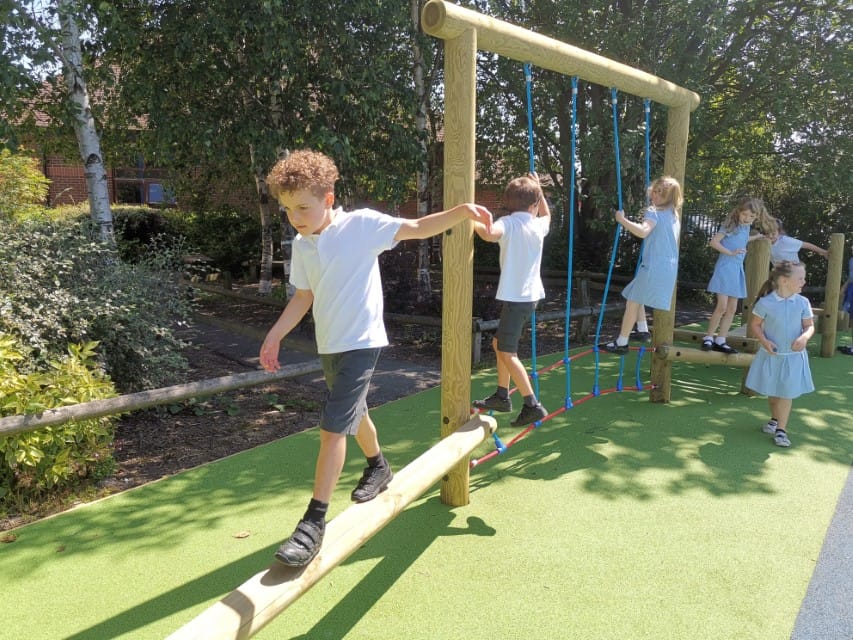
This type of structure provides all-important choice within clear boundaries.
Made to Move
Well-designed outdoor environments can support behaviour, wellbeing, physical development and academic outcomes, so it’s always better to view outdoor spaces not only as recreational areas, but as extensions of the classroom - particularly for pupils with special educational needs.
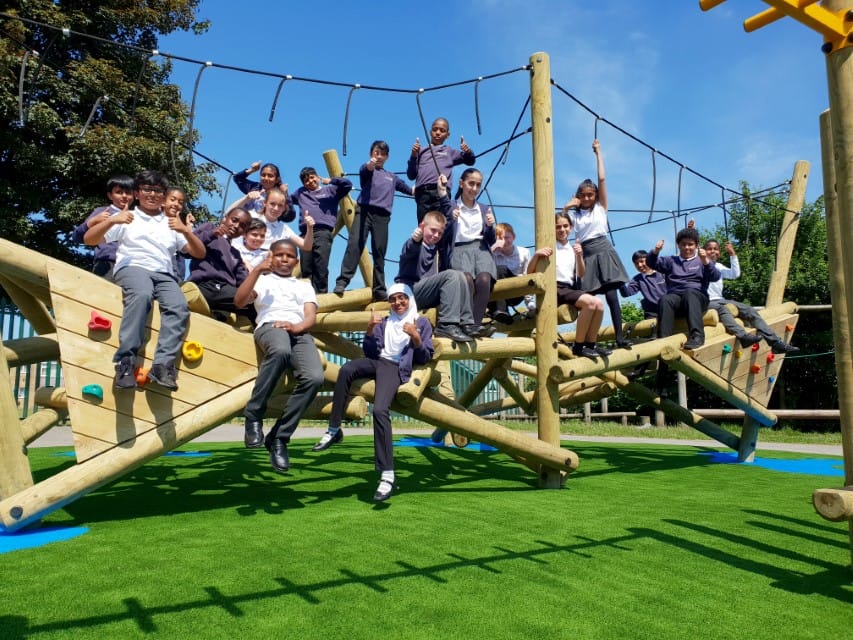
Children must feel regulated before they are ready to engage cognitively, comfortably. For children with ADHD, that regulation usually requires movement - not fighting against their need to move but working with it. Sometimes, the most powerful intervention is simply giving children permission to move.