

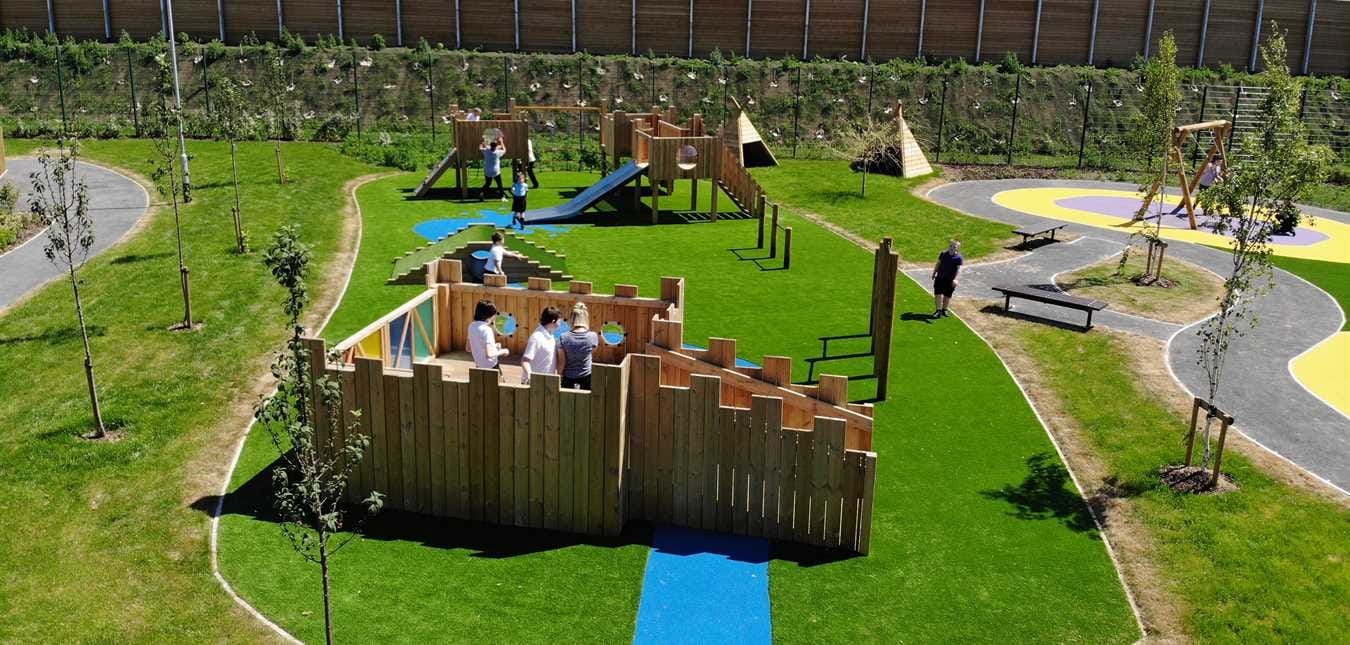
Adventure Play for Children with SEND: A School Guide!

Adventure and childhood go hand in hand. Whether it’s climbing something a little higher than usual, balancing across a wobbly bridge, or imagining the playground is a jungle to explore, children naturally crave opportunities to test themselves - and to discover just what they can do with the space and the freedom to do so!
The school playground is usually where these moments happen for most children. It’s a readily accessible space where children can step outside of the confines of the classroom, move their bodies freely and burn off some energy, and experience that wonderful feeling of “I did it!” after trying something new.
For some pupils with particular Special Educational Needs and Disabilities, traditional playground environments can sometimes limit those experiences. We’re here to make sure that doesn’t happen!
At Pentagon Play, creating playgrounds that inspire curiosity, confidence and movement for all children is at the heart of everything we do. Adventure play is one of the most powerful ways to help children build resilience, wellbeing and physical confidence - and there is never a reason why anybody should be left out.
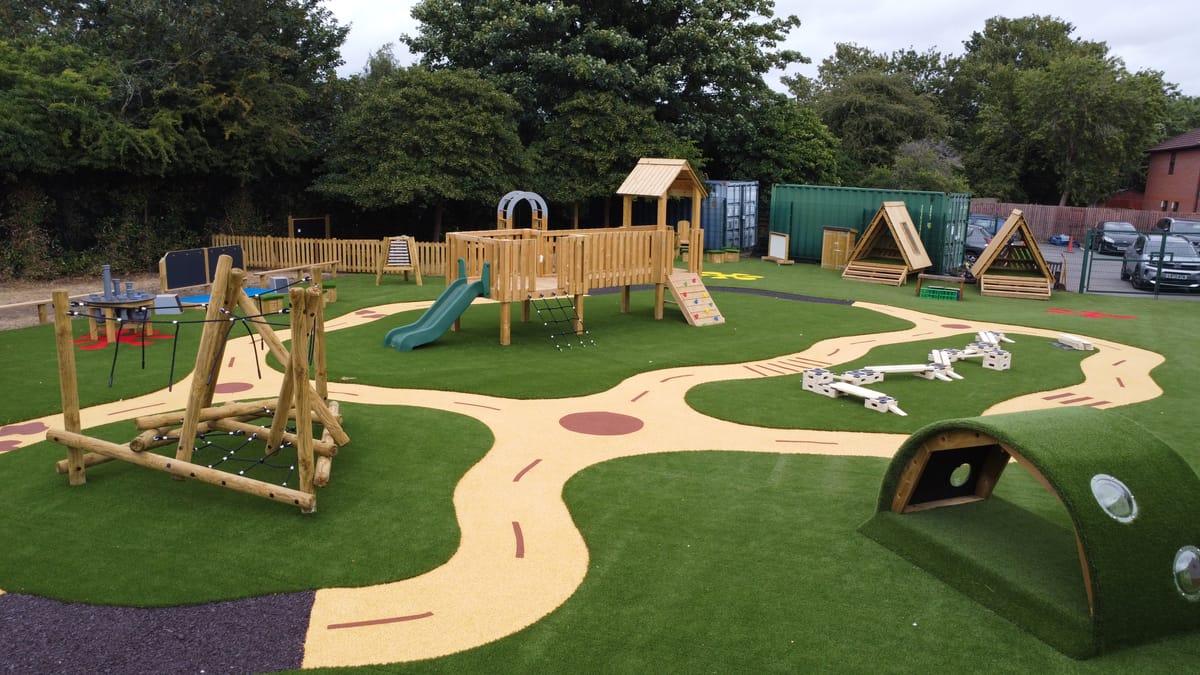
Adventure doesn’t have to be extreme to be exciting, and with thoughtful playground design it can absolutely be inclusive. By introducing the right types of adventure play equipment, schools can create environments where every child has the chance to explore, challenge themselves and enjoy a sense of adventure in a safe and supported way.
Why Adventure Play Matters
Adventure play is about more than physically climbing playframes, navigating obstacle courses and trim trails, running and jumping around. Yes it’s about the fun stuff, but it’s also about giving children access to opportunities to explore, experiment and test their own limits in a safe environment.
When children encounter manageable challenges - perhaps crossing a balance beam or bridge, or climbing across a set of monkey bars, with support where they need it - they develop a range of important skills.

Physically, they can strengthen muscles, improve coordination and develop their balance. Mentally, they learn perseverance, problem solving and self-belief.
For children with SEND, these experiences can be particularly meaningful. Opportunities to engage in adventurous play can support a whole number of things including:
- Motor skill development
- Balance, strength and coordination
- Sensory processing and body awareness
- Confidence, independence and resilience
- Social interactions and communication
- Learning the value of teamwork and how to support others
- Emotional wellbeing
And that last bullet point is key! It is well-known that adventure play doesn’t just build physical strength - it’s a wonderful tool for supporting emotional wellbeing too.
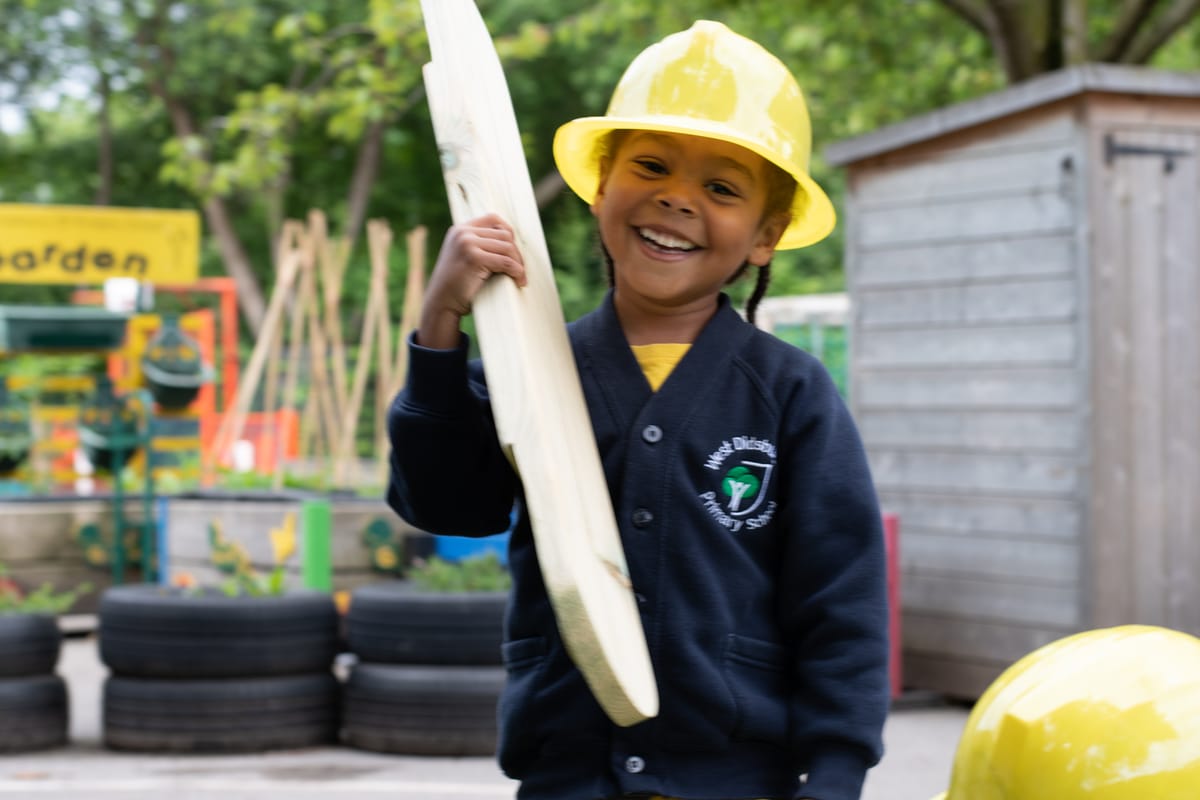
When children are encouraged to try something new, to challenge themselves and succeed at their own pace, it builds a strong sense of achievement. It boosts self-esteem and encourages resilience.
Those moments of success - however big or small - can have a huge and lasting impact on a child’s confidence. They learn that it’s okay to try something new, to make mistakes and to try again.
When adventure play is approached with fun and laughter (we all need a sense of humour when we inevitably make mistakes!) and encourages creativity and imagination - all of this contributes to children feeling happier, and healthier.

For children with SEND, it’s so important that they have equal opportunities to participate in adventure play in order to help reduce feelings of exclusion, and to build a sense of belonging within the school community.
Adventure for Everyone
Adventure doesn’t always have to mean tackling towering structures or diving headfirst into physically demanding activities - most of which only some children can access. Inclusive adventure play focuses on providing different types of challenge, so that every child can take part in ways that suit their abilities.
Some children may enjoy climbing and traversing equipment, while others may prefer balancing, stepping or imaginative exploration. Children with mobility challenges may engage with adventure play through low-level equipment, sensory features or collaborative play elements.
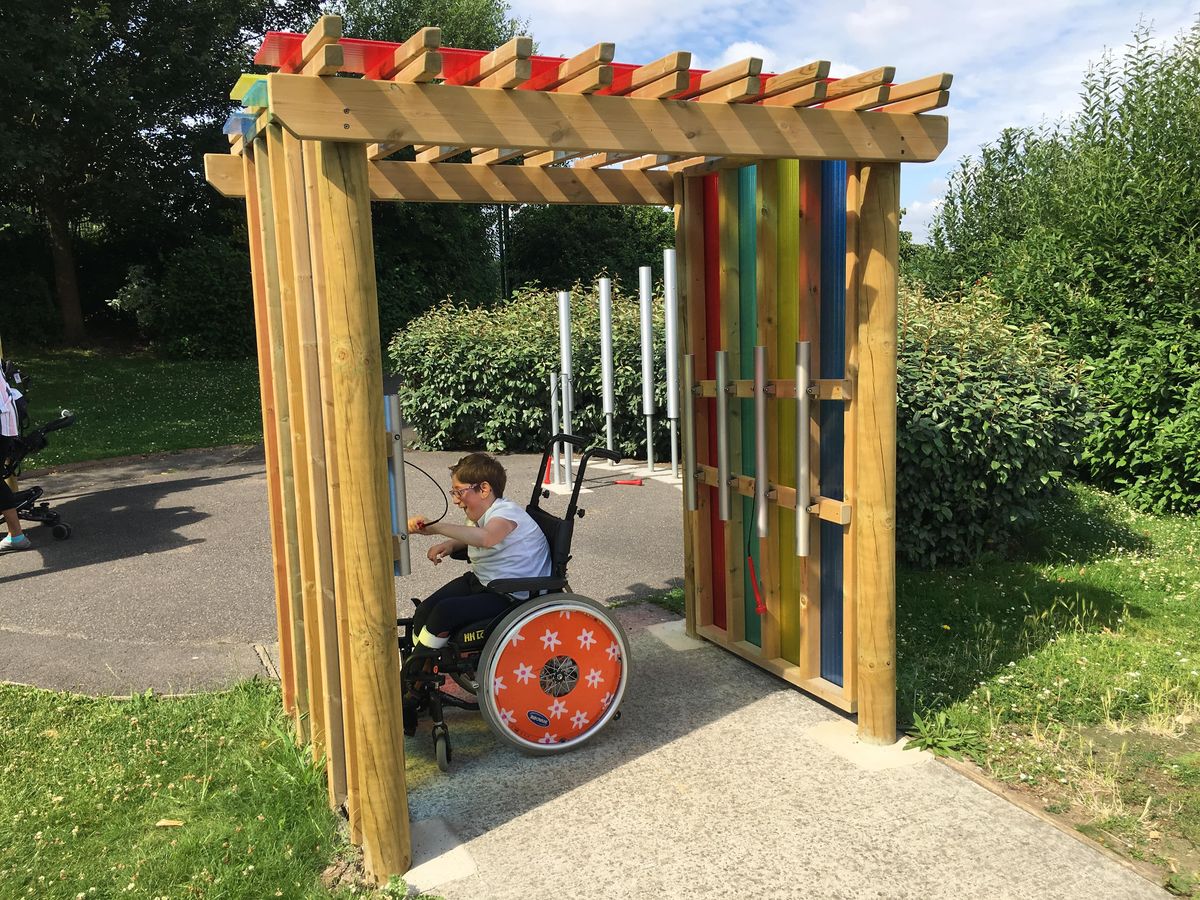
The key is to create a playground that offers variety and choice, because when children can select activities that match their confidence and ability levels, they’re far more engaged, encouraged, willing and able to join in.
Equipment from our SEN suitability range provides a perfect selection of equipment that any child of any ability can engage with and harness the power of learning through play!
Being the Brave - Building Confidence
One of the most rewarding aspects of adventure play, as an adult, is watching children gradually grow in confidence as they find their own way through challenges.
A child who initially hesitates to cross a balance beam or approach a climbing wall might start by holding onto someone’s hand on a climbing structure, or benefit from having an adult standing beside them for reassurance, before tackling it alone.
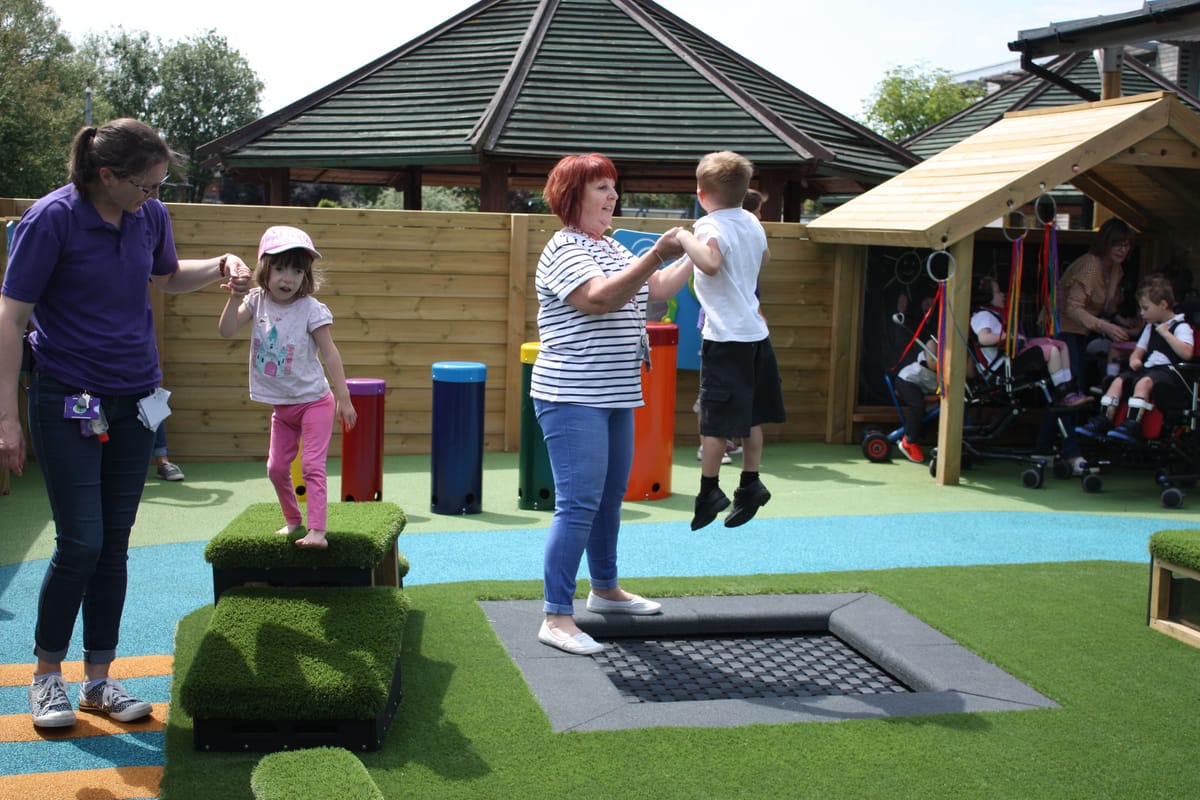
For children with SEND, these moments can be especially significant. Adventure play allows them to experience the same thrill of discovery and achievement as their peers, helping them feel included and capable.
This is when the playground becomes a space where children are not defined by their challenges, but by the skills they are developing and the fun they are having.
Adventure Play Equipment That Invites Everyone In
Choosing the right playground equipment plays arguably the biggest role in making adventure accessible to all pupils. At Pentagon Play we offer a wide range of adventure play solutions for children of all abilities - pieces that encourage exploration while supporting inclusive participation. Here are some of the best ideas!
Trim Trails: Adventure in Every Step
Trim trails are a brilliant way to introduce adventure into the playground. Made up of multiple elements such as balance beams, stepping platforms, rope bridges, swinging and climbing frames, trim trails create mini obstacle courses that encourage children to move in all different ways.
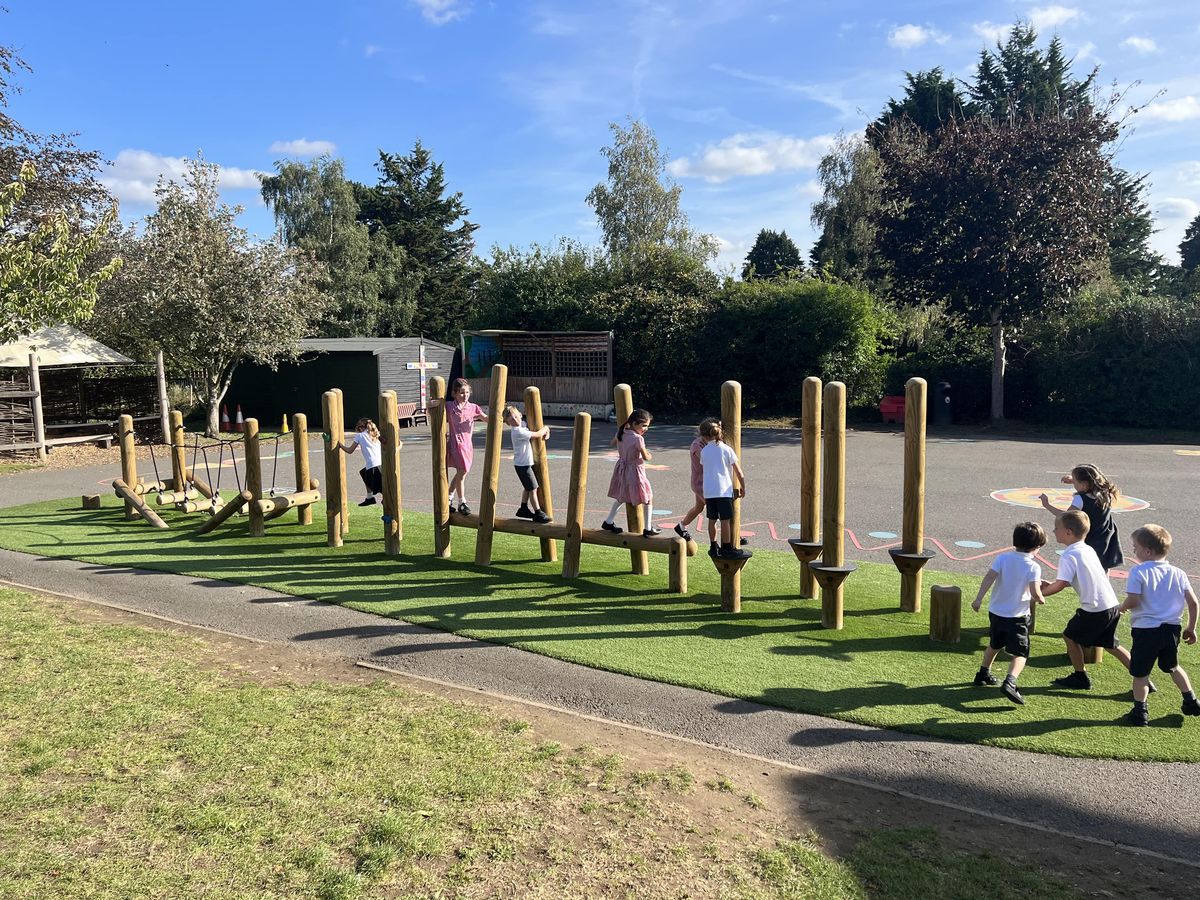
The beauty of trim trails is their flexibility. They can be built in different configurations to order and to accommodate children with different needs. Children can tackle them at their own pace and choose which sections they want to attempt.
For pupils with SEND, trim trails can help develop balance, coordination, motor planning and problem solving. Because many elements sit at lower heights, children can challenge themselves without feeling overwhelmed by large climbing structures. Children with mobility difficulties are aided with ropes and rails to hold onto for additional balance support.
Low-Level Climbing Challenges
Climbing is often one of the most exciting parts of adventure play, but tall climbing towers aren’t always accessible for every child.
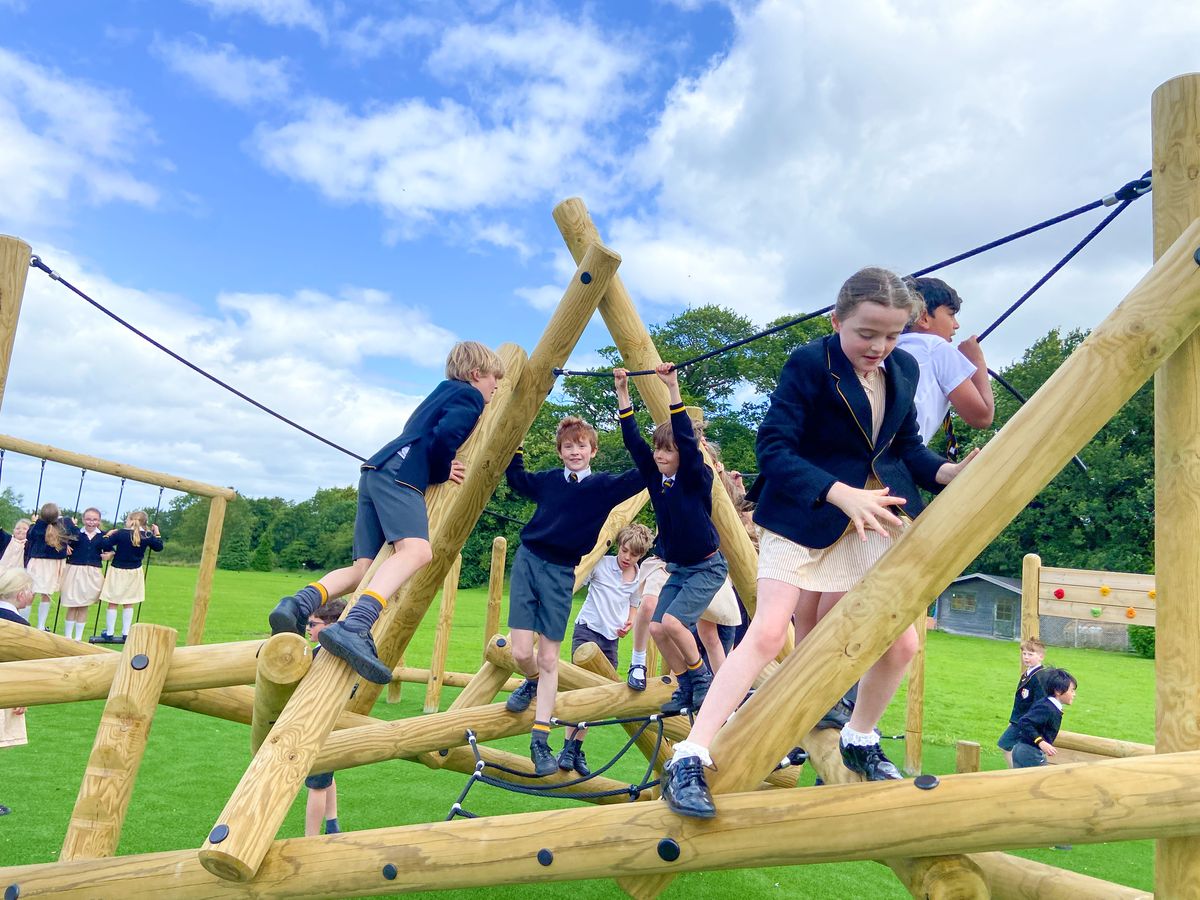
Low-level climbing structures - trim trails, traversing walls and low-level playframes, for example - provide the same sense of exploration while remaining approachable and easy for adults to assist from the floor where needed. Instead of climbing upwards, children move sideways across grips or frames, developing strength and coordination in a controlled environment.
This type of equipment allows children of varying abilities to enjoy climbing without the pressure of height, making it particularly suitable for pupils who are still building confidence.
Balance and Stepping Adventures
Balancing equipment is another fantastic way to bring adventure into the playground.
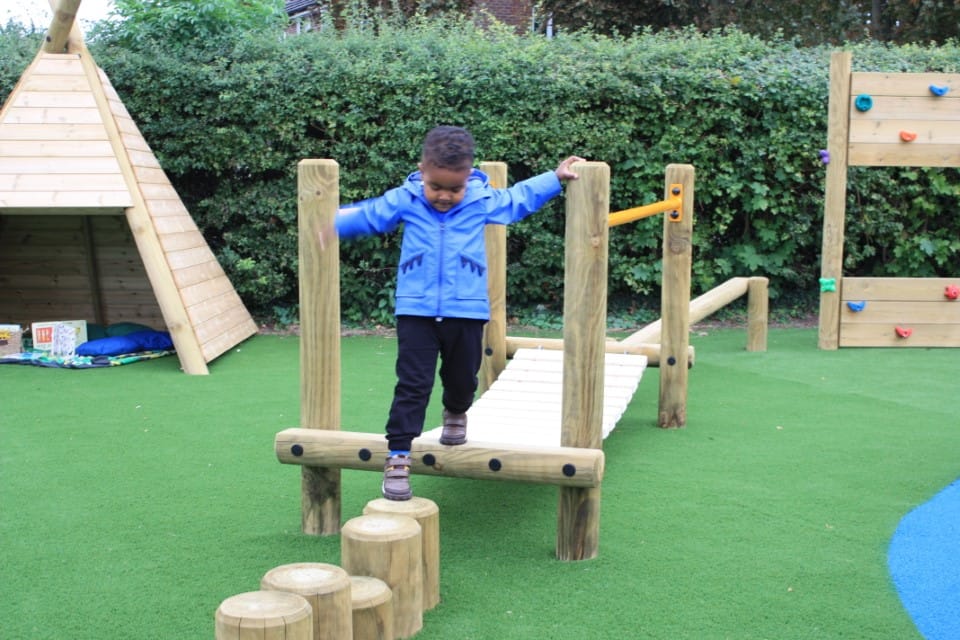
Stepping logs, wobble boards and bridges, balance blocks and playground trail markings encourage children to test their stability and coordination. These activities can be particularly helpful for children who benefit from practising core strength and body awareness.
And again, because balance equipment typically sits close to or on the ground, it allows pupils to take part in adventurous movement while feeling secure.
For children with sensory processing needs, balancing activities also provide valuable proprioceptive input, helping them better understand how their bodies move in space.
Thrills on Wheels
Wheelchair-friendly playground equipment that enables children in wheelchairs to fully participate in adventurous play alongside their peers is an important consideration when planning a truly inclusive playground design.
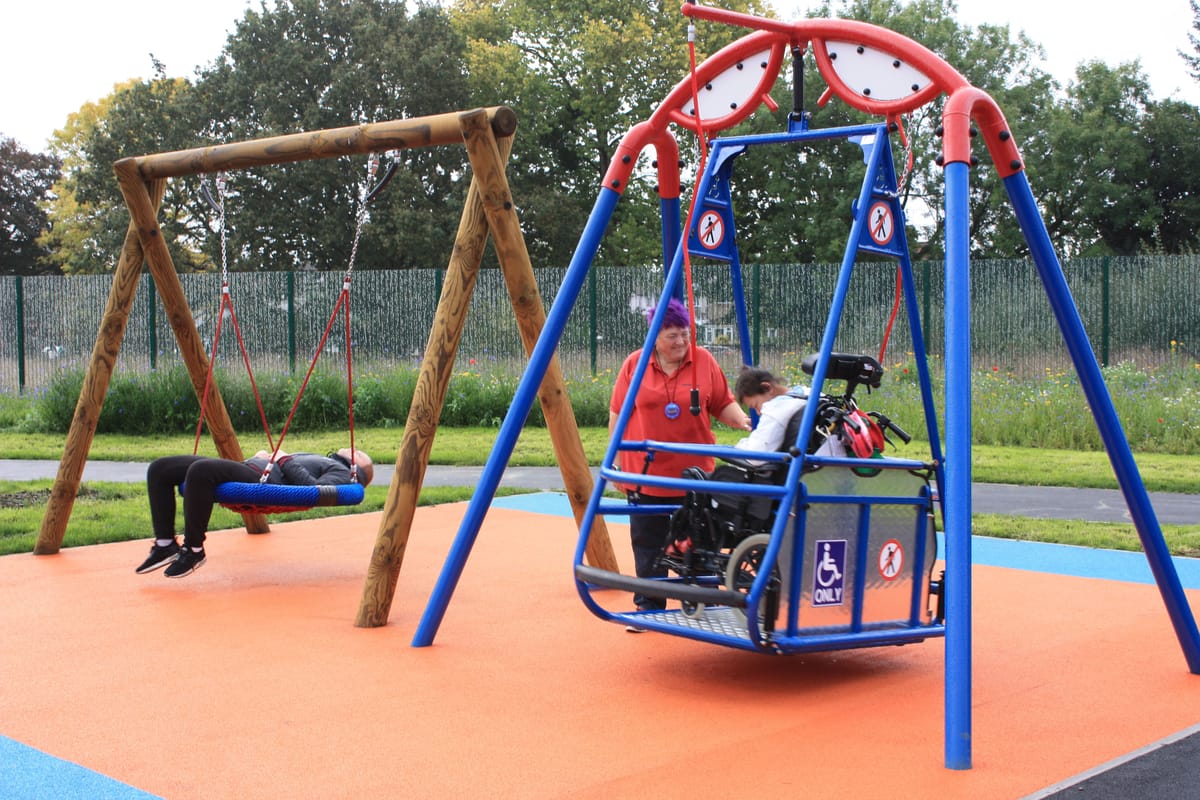
It helps to create inclusive playgrounds where children of all abilities can enjoy fast-paced, sensory-rich activities, ensuring that wheelchair users are not spectators but active participants in adventurous outdoor play
Pentagon Play’s popular wheelchair swing allows children to experience the speedy thrill of swinging while remaining in their wheelchair. Because the swing can be pushed by friends or operated independently using a rope and pulley, children can play together and develop upper-body strength with greater control over their play choices.
In a similar way, our inclusive roundabout is designed flush with the ground so wheelchairs can roll straight on without barriers, creating a shared spinning experience where wheelchair users and ambulant children can play together.
Getting a Bit Messy
Sand, mud and water play can feel super adventurous for young children because it allows them to explore, experiment, and discover how things work - encouraging curiosity and hands-on discovery.
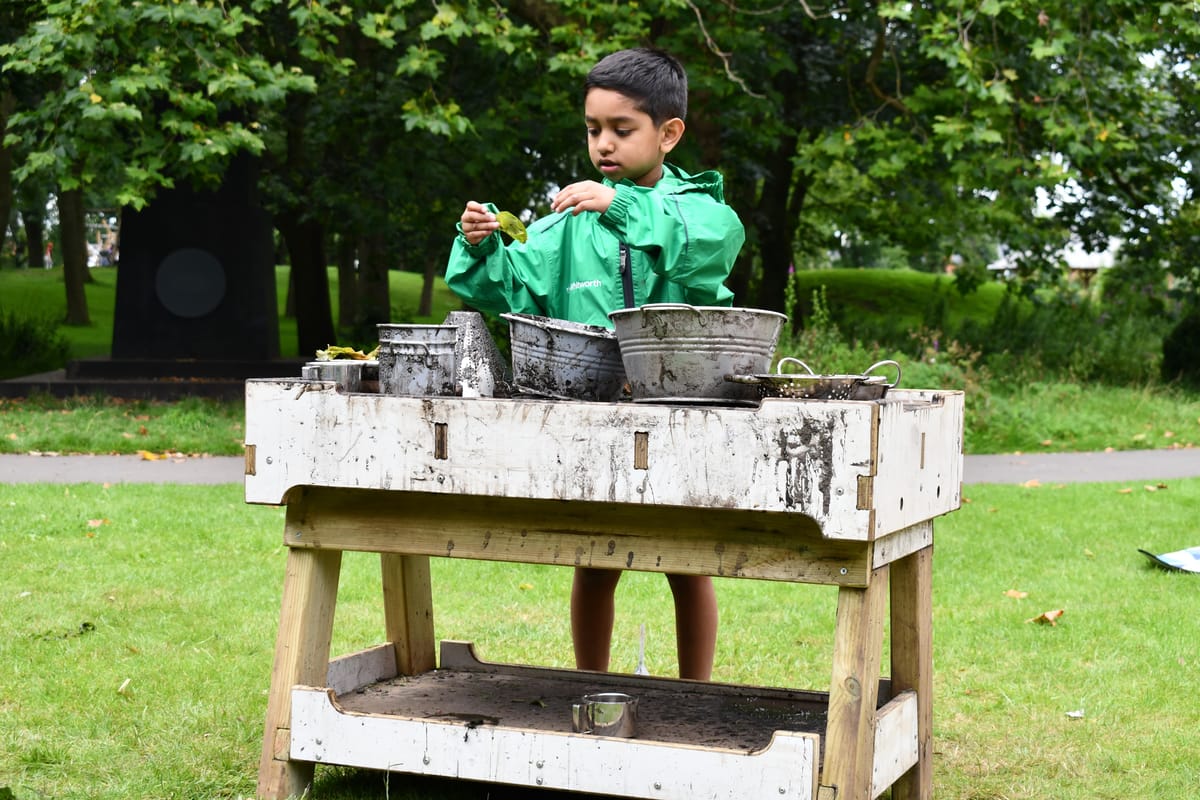
When children pour water, build sand structures, or mix materials together, they are testing ideas and solving problems, which creates a sense of wonder and excitement.
The textures, movement, and unpredictability of these materials feel like exploration, encouraging children to take safe risks, use their imagination, and learn through trial and error. There might be a few surprises along the way but that’s part of the adventure!
For children with SEND, messy play can be especially beneficial because it provides rich sensory experiences that can support sensory regulation, communication, and engagement. For that reason (and many more!) we have designed a huge range of mud, sand and water products to ensure all children can access messy play.
Setting the Scene with Support Through Playground Design
Essential though it is - adventure play can’t rely solely on good playground equipment. The design layout and atmosphere of the playground can make a huge difference in how comfortable children feel engaging with adventurous activities. It needs to look the part and invite everyone in!

Quality over quantity is key - it’s about choosing the right pieces with the right layout for your ground conditions and your pupils’ needs. Of course we will always help you with this!
Providing natural planters can create an intriguing atmosphere, with natural colours, and access to nature. Paying careful attention to creating very clear and specific play zones allows children to safely seek out different types of adventure in different ways.

Three ‘basic essentials’ design features that should never go amiss when it comes to making playground adventures more inclusive are as follows:
- Provide Clear Pathways - Accessible pathways ensure children with wheelchairs or walking aids can move easily between different play areas. When equipment is connected through smooth routes, every pupil can explore the playground independently.
- Create Gradual Challenges - Adventure should feel exciting, not intimidating. Offering equipment with varying levels of difficulty allows children to start small and gradually build their confidence.
- Offer Quiet Spaces Nearby - Some children may need a break from busy playground environments. Quiet zones near adventure equipment allow pupils to step back, observe and then rejoin when they feel ready.
Every school playground has the potential to become a place where adventure lives - and we’re here for it!
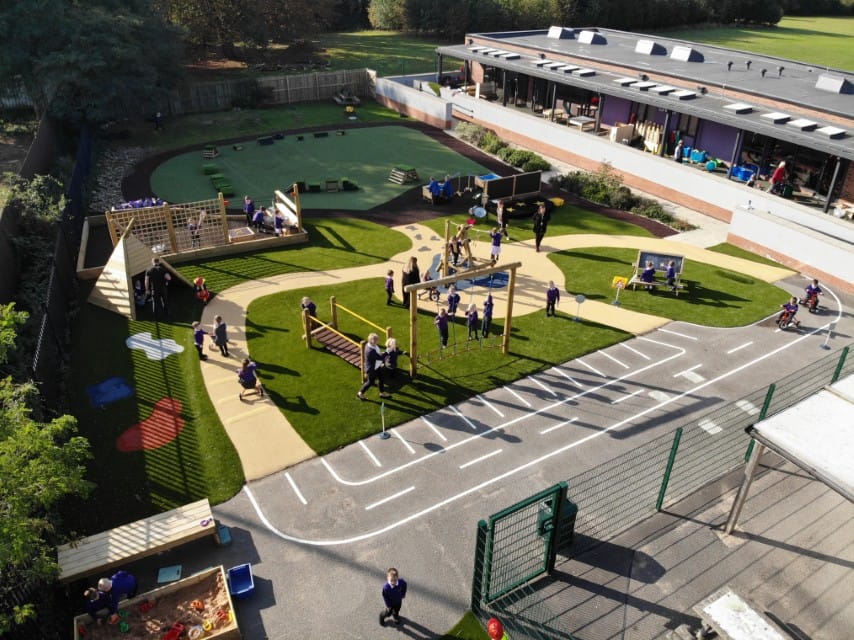
At Pentagon Play we design and build playgrounds that bring children's dreams to life - combining exciting challenges with inclusive design so that every child can experience the thrill of adventure. Please do Contact Us to find out how we help you bring more adventure to your school playground!